About This Plant
Angelica (Angelica spp.), particularly Angelica archangelica and Angelica sinensis, is a striking biennial or short-lived perennial herb known for its tall stature, aromatic qualities, and long history of medicinal use. It belongs to the Apiaceae family, sharing lineage with plants such as dill and carrot. Native to northern temperate regions of Europe, Asia, and parts of North America, angelica is commonly found growing in moist meadows, along riverbanks, and in forest clearings where the soil remains rich and damp.
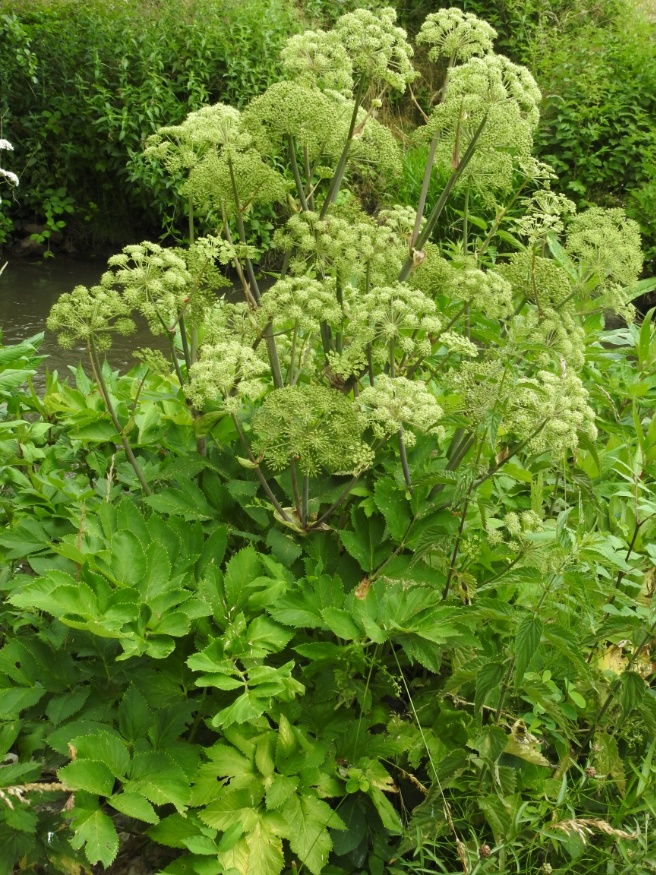
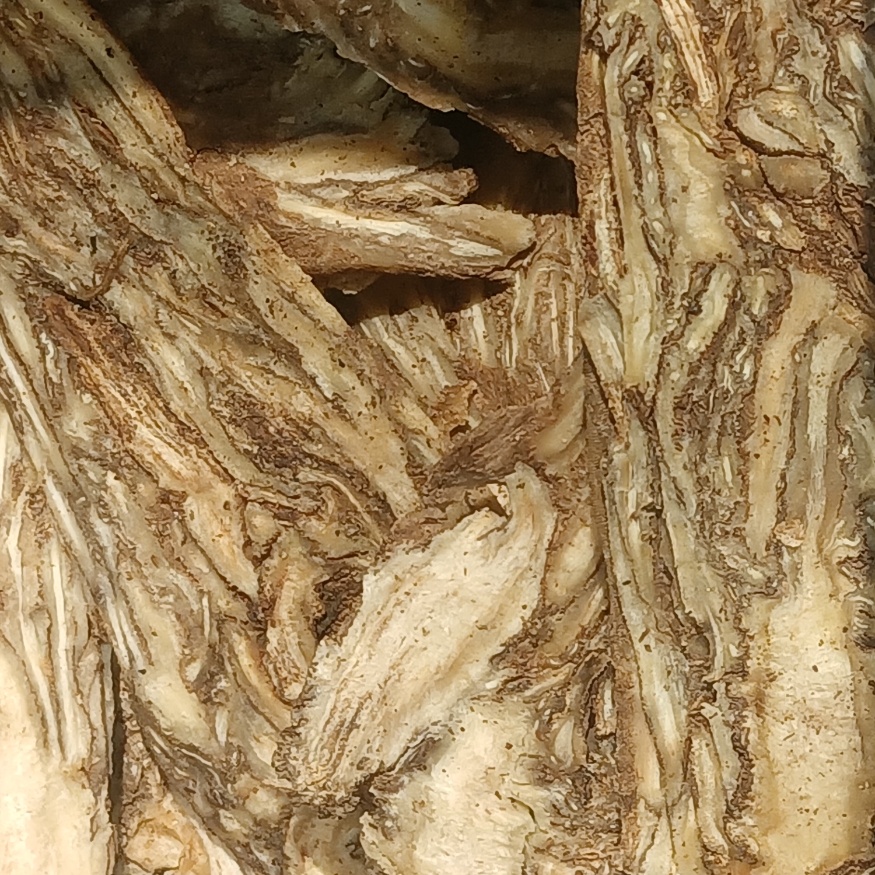
This plant is easily identified by its hollow, grooved stems, large compound leaves, and broad umbels of greenish-white flowers that appear in mid to late summer. When mature, it can reach heights of over two meters, giving it a commanding presence in the landscape. The entire plant is aromatic, with a sweet, musky scent that becomes more pronounced when crushed. Its thick taproot and fleshy stems are especially valued.
Historically, angelica was considered a sacred or protective plant in parts of Europe, where it was believed to ward off illness and evil influences. It gained prominence during times of plague and was often cultivated in monastery gardens. In Asia, Angelica sinensis—commonly known as dong quai—became one of the most important herbs in traditional medicine, particularly for women’s health.
Angelica has a range of edible and medicinal uses. The young stems can be candied or cooked, while the leaves and seeds have been used as flavoring agents in liqueurs and bitters. Medicinally, it is known as a warming, aromatic bitter that supports digestion, circulation, and respiratory health. It has traditionally been used to ease bloating, stimulate appetite, and support recovery from illness. Similar to plants like yarrow and dill, angelica bridges the gap between food and medicine, making it a valuable addition to both garden and apothecary.
Traditional Use
Folk Use
Angelica has a long history in European folk medicine, where it was often regarded as a protective and strengthening herb. It was traditionally used to ward off colds, flu, and digestive complaints, particularly during seasonal transitions. Infusions and decoctions of the root were taken to stimulate circulation and warm the body, making it especially valued in colder climates. The stems were sometimes chewed raw to freshen breath and aid digestion after meals.
In northern regions, angelica was also used as a food plant during times of scarcity. The stalks were harvested in early summer and preserved through drying or candying. Its role as both nourishment and medicine reflects a broader tradition of integrating healing plants into daily life.
Spiritually, angelica was associated with protection and purification. It was often hung in homes or carried as a talisman. Some traditions burned the dried root as an incense to cleanse spaces, similar to practices involving aromatic plants like mugwort. These uses highlight its reputation as a plant that supports both physical and energetic well-being.
Chinese Medicine
In traditional Chinese medicine, Angelica sinensis (dong quai) is one of the most important blood-tonifying herbs. It is commonly used to nourish and invigorate the blood, regulate menstruation, and alleviate pain associated with stagnation. It is often included in classical formulas for women’s health, particularly for irregular cycles, fatigue, and recovery after childbirth.
Dong quai is considered warm and sweet with a slightly acrid quality, entering the liver, heart, and spleen meridians. It is frequently combined with other herbs to enhance its effects, balancing nourishment with movement. Its ability to both tonify and circulate makes it especially versatile.
Modern interpretations of Chinese herbalism continue to value angelica for its supportive role in hormonal balance and circulation. For a broader understanding of how herbs are used within this system, see Chinese medicine connects herbs with people.
Special Chemistry
Angelica contains a variety of active compounds including volatile oils, coumarins, and bitters that contribute to its aromatic and digestive properties. These compounds are responsible for its warming, carminative effects and mild antimicrobial action.
In herbal energetics, angelica is often seen as a warming and dispersing plant, helping to move stagnation while gently nourishing. It pairs well with other digestive and circulatory herbs such as yarrow or peppermint in traditional formulations.
Precautions should be taken with high doses, particularly due to its coumarin content, which may increase sensitivity to sunlight. It is generally avoided during pregnancy unless under professional guidance. As with many potent herbs, moderation and proper identification are important.
Combinations
Precautions
| Medicinal Species | Angelica archangelica, Angelica sinensis, Angelica atropurpurea |
|---|---|
| Tastes | bitter, sweet, acrid/pungent |
| Organ Systems | circulatory, digestive, reproductive |
| Thermal Nature | warm |
| Moisture | moistening |
| Parts Used | roots, stems, seeds |
| Preparations | decoction, extract, tincture |
| Organs and Tissue | blood |
Growing Guide
Angelica prefers cool climates and thrives in moist, fertile soil with partial shade to full sun. It is well suited to gardens that mimic its natural habitat, such as woodland edges or damp meadow conditions. Seeds should be sown fresh in the fall or early spring, as they require cold stratification and lose viability quickly if stored for long periods.
When establishing angelica, it is important to maintain consistent moisture, especially during its first year of growth. The plant forms a large rosette in its first season and sends up a flowering stalk in the second. Once it flowers and sets seed, it typically dies, though it may self-seed readily if conditions are favorable.
Spacing should allow for its large mature size, and rich organic matter will support vigorous growth. Avoid disturbing the roots, as angelica develops a deep taproot. For best results when starting seeds or transplanting, refer to preparing to grow wild plant seeds and planting mail order seedlings. With proper care, angelica can naturalize and become a long-term presence in the garden.