Chinese Medicine Connects Herbs With People
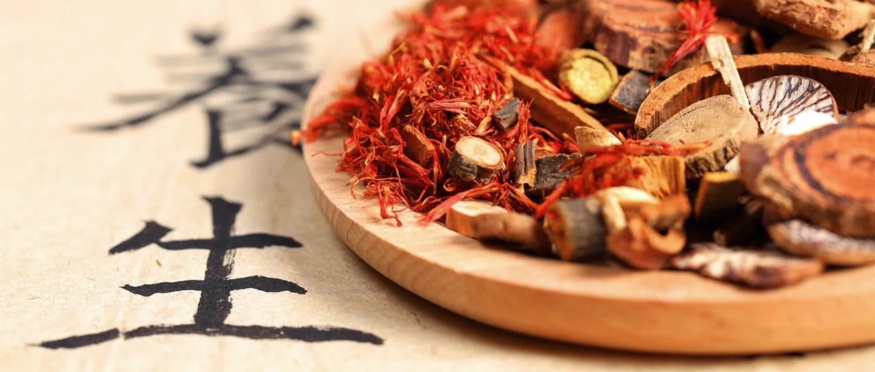
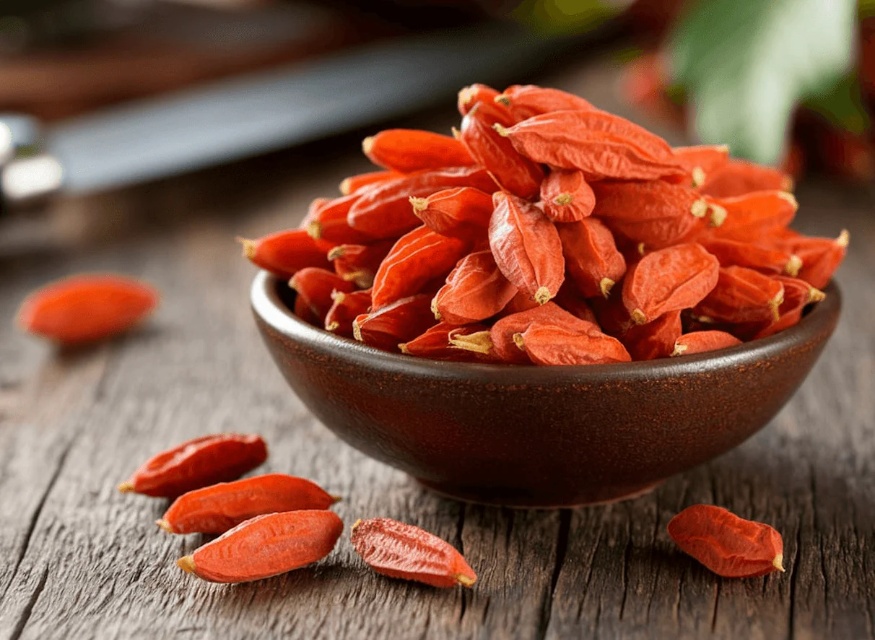
When I was a kid, I remember going to China town with my Mom and entering the small shop full of little wooden drawers. The lady who worked there opened one of them, grabbed some peculiar looking dried red berries, bend down to my level and gave them to me saying "here, take these, they're good for you". I was so amazed she game me something for free and was excited to see what magical effects would happen when I ate them!
Later, after many trials in life including computer related jobs that left my mind, body, and emotions broken, I developed an interest in plants and went back to school for horticulture. I eventually got into foraging and growing medicinal plants for food and medicine. I Always wondered though, how do I actually know HOW to use these herbs? What herbs go well together, and what do I take them with and when? And if I'm spending all this time cooking for the family, how can I dedicate time to also prepare herbs for medicine? If these herbs are also food, can't I just cook with them?
In books I would read about how some herbs being warming or cooling, moistening or drying. What does this mean and why does it matter? I noticed not all herbs have the same effect, even if they belong to the same family or genus. This led me to find out about herbal energetics and how these warming, or cooling effects mattered because it had to do with the person they were treating, what herbs they go with, and how they should be taken. I came to realize these principles were derived mainly from the over five thousand year practice of Traditional Chinese Medicine (TCM) and the dried fruit the lady handed to me when I was young were goji berries and they ARE very good for you.
Adaptive vs Mechanical
Whereas western medicine is built on the knowledge of the physical body as a machine, Chinese medicine Can be thought of as more symbolic and holistic. Knowledge of the workings of the body are derived from patterns observed in nature. Being more of an artistic thinker myself, this concept seems like second nature, less about the need for memorization of specific compounds and more about the feel and behavior of the same life force systems and how they all connect. Let's compare it to this, instead of memorizing 100 recipes with their own ingredients, what about learning about what tastes go well together and cooking 100 dishes given the ingredients you have? Ofcourse in western medicine, there are general concepts and in Chinese medicine there is still lots of detailed components to remember but this is the general idea.
In TCM, habits should coincide with the rhythm of the seasons and time of day. For example, eating warming foods in winter, cooling foods in Summer, activity in the day, and slowing down at night. In Chinese medicine, organs such as the heart, spleen, and liver are symbolic rather than describing the actual organs as seen in western medicine. For example, the liver resembles wood, with a behavior of flow, direction, and planning. The heart resembles fire, with a behavior of consciousness, joy, and connection. The spleen resembles earth, with a behavior of nourishment, meaning, and stability. In TCM the heart houses the mind. Obviously it doesn't physically do so in real life, but it's a concept that solves certain patterns in the body the would link the heart to the mind. Interestingly, even in old English we see a relationship between the heart and mind in many meanings and words such as "hearts desire" and being "whole hearted".
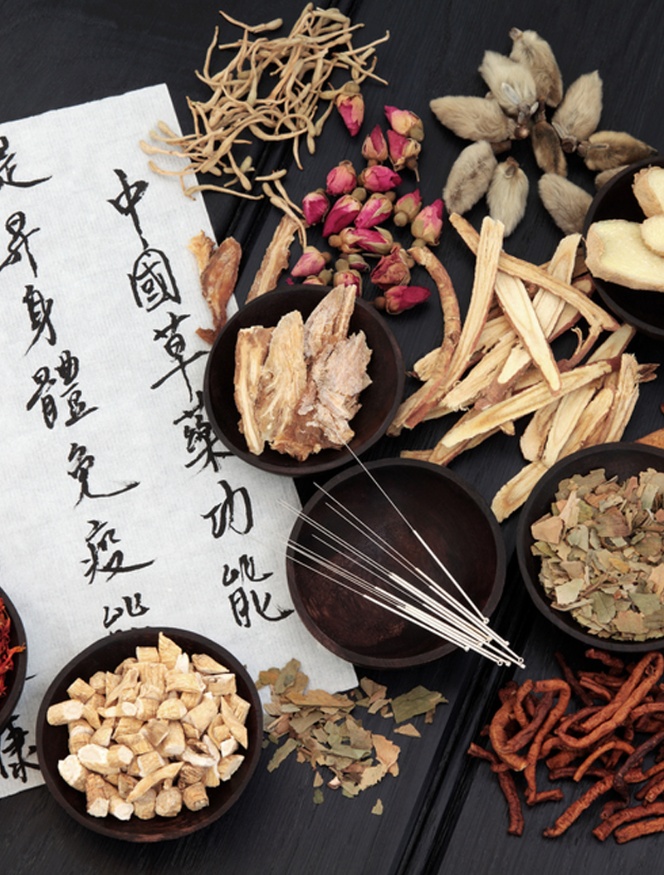
TCM brings me back to deep thought when I was younger, the more creative, artistic, and with a curious view of the world type of person. By studying Chinese medicine, you may even find that you start looking at the world differently and how much of a connection to nature and the universe our bodies really have. You don't really need to know how the physical organs work (though it is of course good to know as well), rather how observe what is happening in the many outward aspects of physical being, and then measure how to bring the body back to harmony so it can heal its self.
A Holistic, Non Disease-Specific Approach
In TCM, the Body as an Interrelated system, where one issue can show up in different parts of the body because everything is connected. For example, stress (an emotional imbalance) can cause headaches, digestive problems, and sleep issues. This has been known in Chinese medicine for a very long time, and may seem obvious, but this mind to body connection is a relatively new concept to western medicine.
TCM is less about treating a specific ailment or a specific part of the body. There aren't really eye or foot specialists in TCM because it's recognized how deeply connected the body is as a whole and one part must be addressed from different many angles.
The Other Half of Herbal Medicine
After learning the basics medicinal plants, I realized there is another, equally important half of herbal medicine I was missing besides knowing the herbs themselves.. that is knowing the person and how to connect the person to the herbs. Chinese medicine provides a way to actually use your collection of herbs. This is where the concept of energetics comes into play. For example, Ginger is warm, and pungent. It moves Qi, dispels cold, warms the stomach and stops nausea. It's used for releasing external cold, early colds, chills, mild fever. It should not be use however if you experience excess heat, dryness or severe thirst. Energetics Treats your gender, also your age and stage of life. For example, ginger may connect well is a "cool" body type person but less with a "hot" body type. TCM also covers what combinations of herbs to use when to use them. That said, it's not about using specific Chinese herbs, but the concept of how to use them. Western herbs can even be used in TCM and this may be the subject of a future article.
Empowers the Everyday Person
With traditional medicine regular people can take health into their own hands without expensive equipment and decades of schooling. The practice integrates with everyday life using simple concepts that are understandable by regular people herbs that can be grown and gathered, and needles (for those trained in acupuncture).
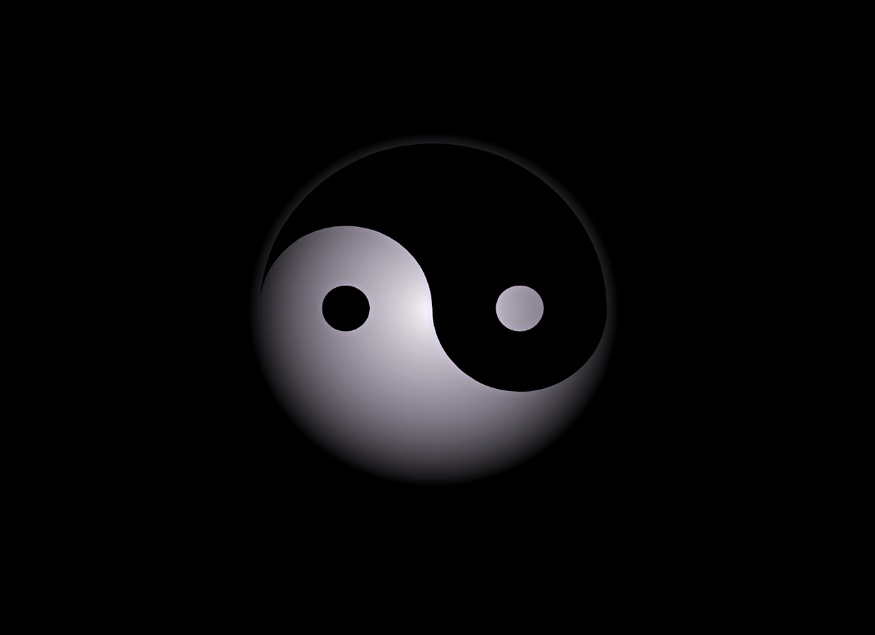
Yin and yang are forces recognized as long as TCM have been around. Yin represents coolness, darkness, moisture, and substance. On the other hand Yang represents warmth, light, function and vapor. These patterns can be seen by simply looking upon the changing light as it darkens one side of a hill (which is believed to be the origin of yin-yang observation). The idea of yin and yang can be understood by all people and the idea applies in the body, where yin is the body’s cooling, nourishing, calming side and yang is the body’s warming, moving, energizing side. If there is fatigue and cold, yang is too weak; use yin herbs and foods. If there is heat signs with dryness, yin too weak; use yang herbs and foods. Of course it can get far more complex than this, and there's limitless growth in TCM but much can be done only using basic concepts.
TCM Focuses more on prevention than fixing serious problems after they arise (Chinese medicine helps with serious fixing too but This is where western medicine may be necessary). As mentioned, it integrates with food, what to eat when. For example, food should be prepared hot or warm, especially in the winter. Also avoiding certain foods when sick. While many conventional doctors seldom ask a patient of their lifestyle habits, it's said in TCM that food is the best medicine.. This can be seen in the many traditional soups eaten at certain times a year that contain medicinal ingredients designed to nourish and recover during times of fatigue, or to warm and protect in times of hovering illness.
This article is not meant to rule out western medicine, but to prove they can work in tandem and there's definitely room for both depending on the situation. Interestingly, there's much overlap between both hemispheres in terms of the outcome they both create in different ways. It seems the life we live these days has a way of changing us. Work, fear, and the harsh realities of life have a way of draining our connection with nature that came so easily to us as children and close to God. I didn't even realize how much I've changed and lost touch with "meaningful" things until connecting with plants and with this age old way of treating individuals that just seems so natural. Being of Chinese descent on my father's side, TCM feels right for me, but whether it be Chinese medicine, ayurvedic medicine, reiki, or the many others, it's important to look to your roots, your interests, what calls you and feels right to you because this other half of herbalism, the "energetics" has to do with the individual; with your roots and how you resonate. From there you'll be able go out and help your family, possibly even your friends, and maybe even community more accurately, confidently, and holistically.