Using Nettle Sting For Pain Relief
Stinging nettle has a way of challenging our assumptions about medicine. A plant famous for causing pain has, for centuries, been used to reduce it, especially aches that linger in joints, muscles, and old injuries. This article explores how the sting itself can actually become a therapeutic tool.
Stinging Nettle in the Wild
Stinging nettle, Urtica dioica, is native to Europe and Asia and now grows widely across North America, especially in moist soils, forest edges, streambanks, gardens, and disturbed ground near people. It thrives where soil is rich and nitrogen abundant, which is why it often appears close to long settled human landscapes.
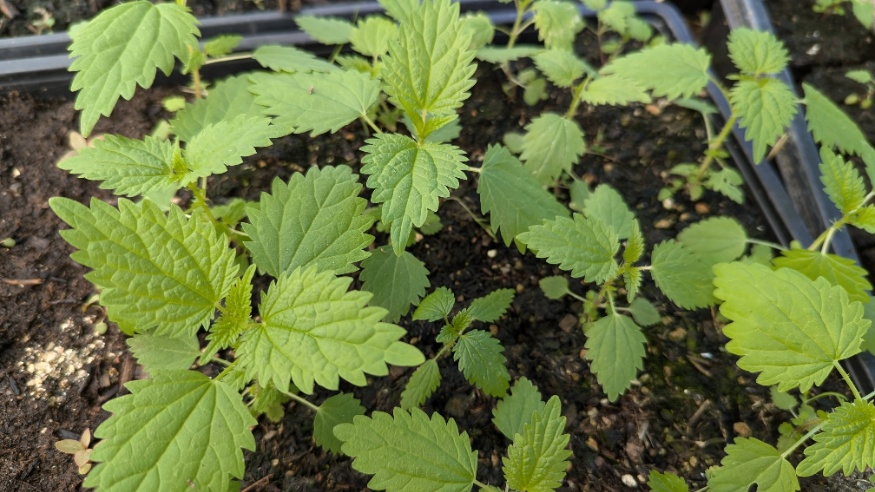
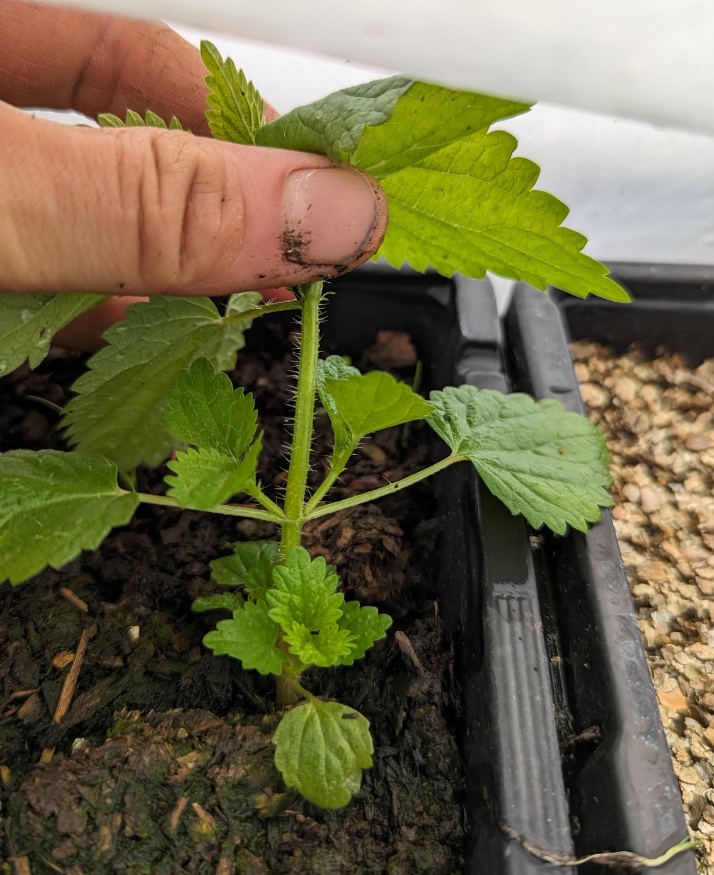
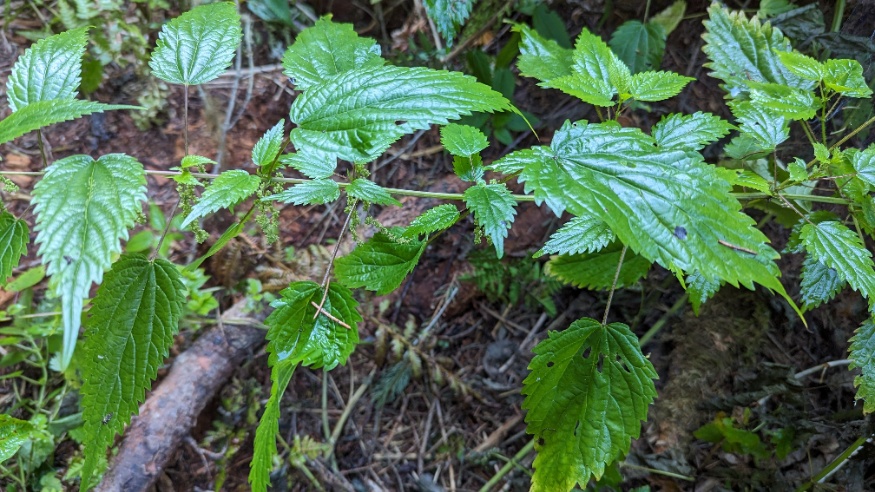
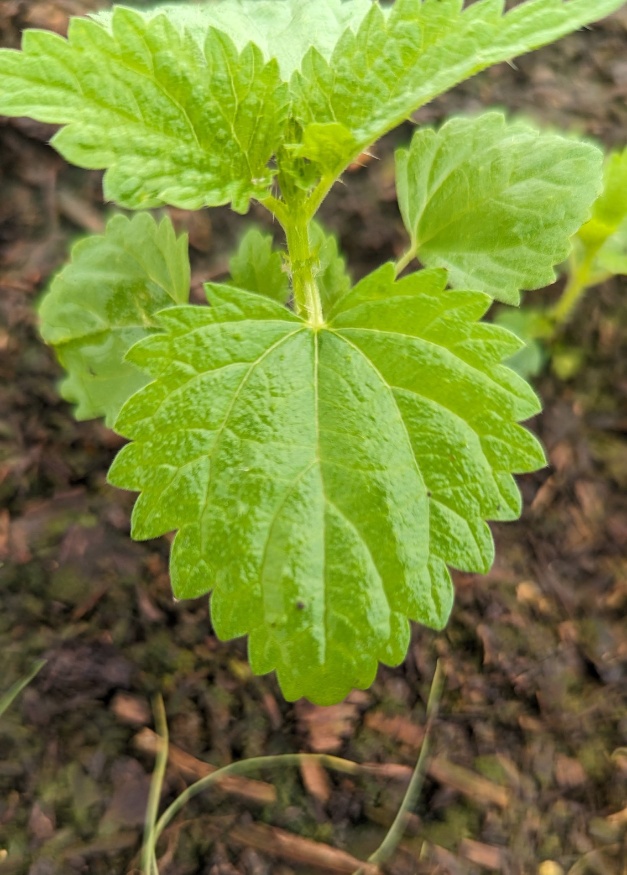
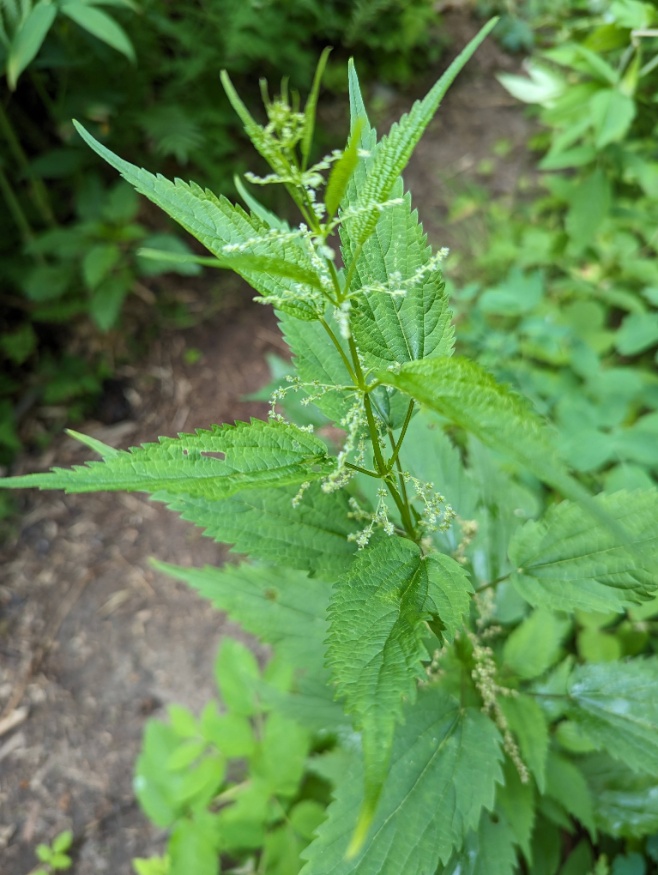
Nettle grows upright, often three to seven feet tall, with opposite dark green leaves that are sharply toothed and pointed. Fine hollow hairs cover the leaves and stems, delivering an immediate sting when brushed. Greenish flower clusters hang from the leaf axils in early summer, later producing abundant seeds. The sting itself remains the most reliable confirmation.
History of Therapeutic Stinging
The use of nettle stings for pain relief is known as urtication, and its roots run deep in European folk medicine. Roman soldiers reportedly carried nettle with them to colder regions, flogging their limbs to stimulate warmth and circulation during long campaigns. This practice was later adopted across rural Europe for stiff joints, arthritis, and chronic muscular pain.
In traditional Western herbalism, urtication wasn't viewed as cruel or extreme but as a form of counter stimulation, provoking a short lived irritation to awaken the body’s own healing response. Nicholas Culpeper, the seventeenth century herbalist, wrote that nettle could be used to “draw blood to the place,” easing deeper pain through surface activation.
Similar ideas appear in Eastern European, Russian, and Indigenous traditions, where nettle was applied externally to rheumatic joints or areas of numbness. These practices weren't random folk habits but repeatable methods refined through observation, restraint, and respect for the plant’s power.
What's Actually Happening When Nettle Stings
Modern science has helped clarify what traditional healers already sensed through experience. Nettle trichomes inject a mixture of histamine, acetylcholine, serotonin, and formic acid into the skin. This causes immediate burning, redness, and a rush of blood to the area, followed by a deeper warming sensation.
Research has shown that nettle sting may interfere with pain signaling. A study published in the Journal of Rheumatology found that topical nettle application reduced pain at the base of the thumb in people with osteoarthritis. Researchers suggested that repeated stimulation may desensitize pain fibers and reduce inflammatory signaling over time.
Dr. Randall Holcombe, one of the study’s authors, noted, “The sting appears to activate pain inhibitory pathways, which may explain why a brief discomfort can lead to longer lasting relief.” This aligns closely with traditional explanations that short pain can interrupt long pain.
Comparing Nettle Sting to Bee Sting Therapy
Using nettle sting for pain is often compared to apitherapy, the use of bee stings for arthritis and autoimmune conditions. Both methods rely on controlled inflammation to stimulate healing, and both provoke a strong response from the nervous and immune systems.
Bee venom contains melittin and other peptides that have well documented anti inflammatory effects, but it also carries a significant risk of allergic reaction. Nettle sting, by comparison, is far milder, more accessible, and far less likely to cause severe systemic reactions when used appropriately.
While bee sting therapy often requires trained practitioners and careful screening, nettle urtication has historically been practiced by individuals and families with minimal tools. The approach is similar, but nettle offers a more accessible entry point for people interested in this style of therapeutic stimulation without the same level of risk.
Why Causing Pain Can Reduce Pain
At first glance, stinging yourself on purpose seems counterintuitive. Yet the body doesn't experience pain as a simple on off signal. Pain perception is influenced by context, novelty, and nervous system priority.
By introducing a sharp but temporary sensation at the surface, nettle sting can override chronic pain signals coming from deeper tissues. This phenomenon, sometimes called counter irritation, has been used in many healing systems, from mustard plasters to cupping to acupuncture.
Also, the rush of blood and immune activity to the area may help clear inflammatory metabolites and bring nutrients to tissues that have become stagnant. Over repeated sessions, many people report reduced baseline pain and improved mobility.
An Example of Using Nettle Sting
Harvest a small amount of fresh nettle from a clean area away from pollution, using gloves. Prepare the area to be treated by washing and drying the skin. When ready, brush the nettle leaves across the area for only a few seconds, using brief contact rather than force.
Allow the sting to rise and fade over fifteen to thirty minutes, noticing warmth and reduced deep pain rather than focusing on surface discomfort. Afterward, rinse with cool water or apply a soothing herb such as plantain or calendula. Use no more than once daily on the same area, and often less, allowing the body time to respond.
Evidence and Clinical Observations
While nettle urtication hasn't been studied as extensively as pharmaceutical interventions, existing evidence is promising. The Journal of Complementary Therapies in Medicine has reported reduced pain scores in small trials using fresh nettle application for musculoskeletal pain.
The European Scientific Cooperative on Phytotherapy recognizes nettle leaf and root for inflammatory conditions, primarily in oral forms, but notes that topical use has a long and consistent traditional record. As herbalist David Hoffmann writes, “Nettle works not by suppressing symptoms but by engaging the body’s own regulatory intelligence.”
Safety Considerations
Nettle sting shouldn't ever be used on broken skin, areas with poor circulation, or by anyone with known severe allergies to plants or a history of anaphylaxis. Avoid use during pregnancy, with autoimmune flare ups, or alongside blood thinning medications without professional guidance. Always test a very small area first, never apply to the face or sensitive areas of the body.
Conclusion
Stinging nettle reminds us that healing can be hidden by the intimidating side of some plants. When approached with knowledge and restraint, the sting that once caused avoidance can become a tool for relief, reconnecting people to a long lineage of practical, plant based medicine. If you're interested in growing stinging nettle from seed, check out my article on Growing Stinging Nettle From Seed