Medicinal Alder

In this article we'll talk about the many benefits to this amazing tree including identifying, harvesting, and its medicinal effects. Alder is a shrub to small tree of the birch family, found by rivers and lake shores often growing in thickets. There are many species of alder, the most commonly known medicinally are the black, red, and Japanese Alder. Known as a "pioneer species", alder helps to establish new soil with its nitrogen fixing abilities, and short lifespan, dying down to replenish the ground. We have small alder trees growing in thickets in and around the ditches all around our property here in northern BC. They grow alongside pussy willow, wild rose, and young poplar trees.
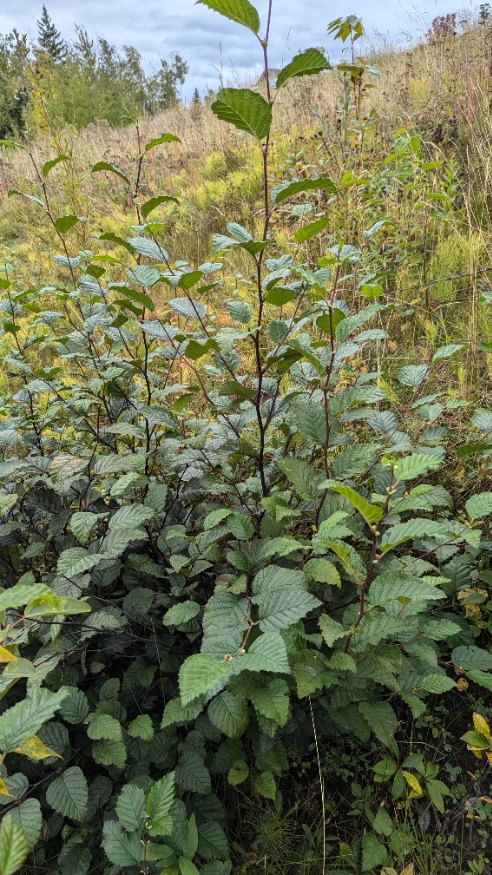
How To Identify Alder
leaves are somewhat unique, and have creases running along them resembling ruffles potato chips. The leaf edges are double toothed (one tooth inside another). The twigs are fairly fine like that of a birch tree, not fat and chunky like a black walnut or balsam poplar tree.
The bark is smooth, usually gray, dark brown or dull green. Younger wood is speckled with light bumps, often in a horizontal pattern (lenticels). With age, the bark may have white blotches (lichens). The tree can also be found with usnea hanging from it (hairy fungus that grows in damp forests).
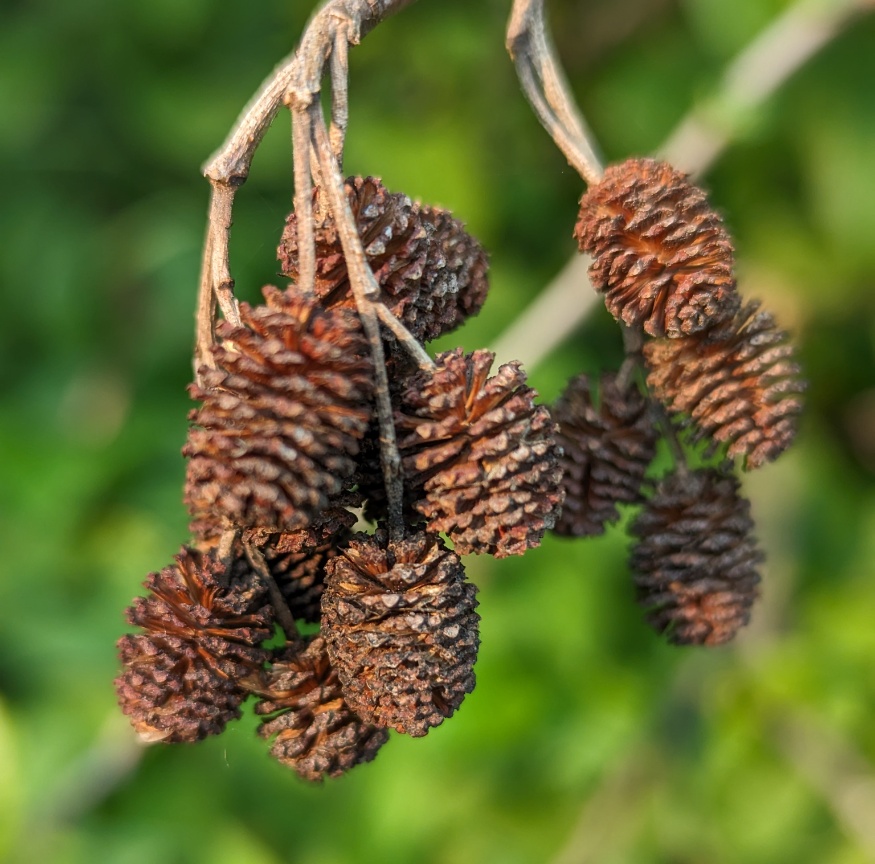
Perhaps the most noticeable feature is the catkins. These hang from the tree in both male and female form. The male ones are long narrow pollen producing flower strings, the female ones are peculiar cone-like woody oval or round balls. Female catkins are unmistakable, the only thing like it seen on a broadeaf tree. The catkins start our fleshy and green before they mature.

Pain and Inflammation
The inner bark of alder is very astringent and contains salicin which has pain-relieving (analgesic), anti-inflammatory, and fever-reducing actions. This is that same aspirin-like compound found in willow trees. An infusion of the bark can be used for like headaches, arthritis, rheumatism, back pain, muscle sores, and other pain and inflammation related conditions. A bark decoction (fresh or dried) can be used as a gargle for sore throats, also for pains in the mouth and infected gums. The leaves can be inserted directly on the bottom of feet inside shoes while hiking, or soak feet in a foot bath of alder leaves to relieve achy feet. Sore hands can be treated in the same way.
Skin Issues
As an astringent, alder tightens and contracts skin and muscles internally or externally. Outside of the body a cream, oil, or salve can be useful to close wounds. It also stops bleeding and shortens bleeding time as a hemostatic. A cream or face wash can be used on acne to tighten the pores. For skin fungal, or bacterial related sores, a water based preparation like a wash, compress, or poultice should be used topically. This applies also to blistery eczema, itching from Chicken pox, bug bites, and hemorrhoids.

Stomach Issues and Digestion
Digestive relief is another great benefit of medicinal alder. The astringency helps tighten a loose digestive tract, forming a protective barrier to decrease gut surface irritation and inflammation, helping with things like stomach ache and diarrhea. As a bitter it also activates the digestion system before meals and triggers the digestive fluids to flow. Since it's also antimicrobial, alder helps clear out unwanted pathogens as well. This combination of protective and activating properties make alder a good stomach tonic, but one for short term use so it doesn't disrupt the good flora of the gut!
Viruses
Alder has been used to help fight off cold, flu, and viral related illnesses. The dysentery effects of alder can help lower fevers, and the same antimicrobial properties useful on wounds can useful in the body when sick. These effects, include antifungal, antibacterial, and antiviral properties. Alder is studied for use against HIV (to fight its unique behavior) and has been found to have antiviral actions against hepatitis. The tree has even been closely looked as as a plant to possibly fight corona virus for those with the onset disease. Flu fighting uses of alder are prepared in the form of a tea, decoction, or tincture to best extract its medicinal compounds.
Harvesting
Leaves, growing tips, young shoots, and inner bark from stems are all used in alder medicine. Harvest the bark in spring or autumn by shaving off small pieces, making sure not to cut all the way around the trunk and girdle it. Or harvest a single branch and use all the bark from it. The inner bark (cambium) is where the medicine is. This is the soft green or red lively part between the bark and the wood. It's totally fine to include the outer bark and some of the inner wood in the shavings just be conscious it's the cambium that's of value. Also take note the shavings should be thoroughly dried at least a year before using internally.
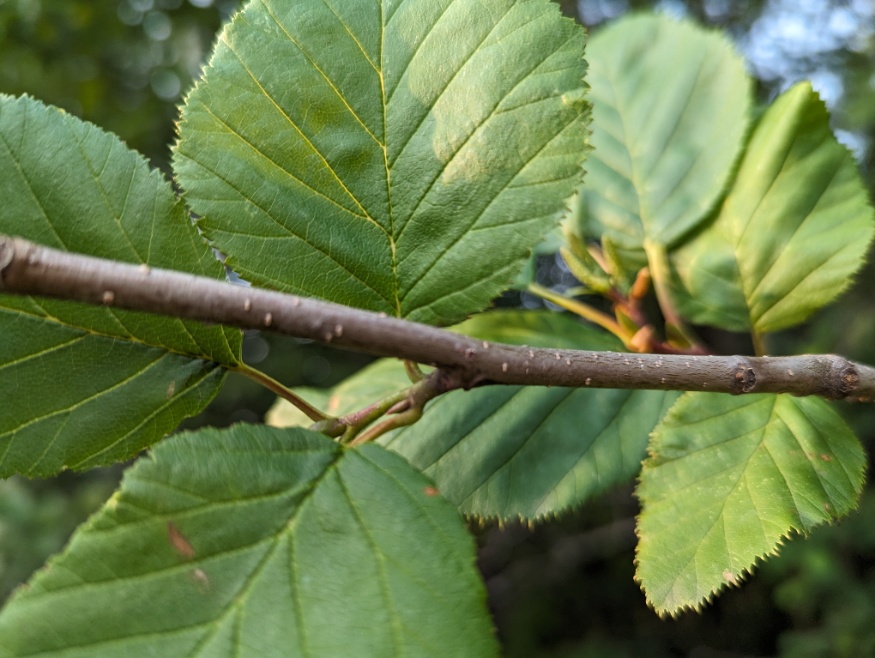
Live growing tips and leaves can be harvested throughout spring and summer ideally before flowering. Leaves can be used dried or fresh unlike the bark, making them more readily usable, crushed on the spot, or as a tea. The buds can be harvested from late winter to early spring to be prepared as a tincture or infused in oil for skin conditions.
Cleansing Tonic
Alder is sometimes said to be a tonic in western herbalism, in the category of herbs that increase overall health and vitality. But by tonic in alder's sense it's more of a cleansing, bitter digestive aid, and blood purifier. One that helps to move fluids and detoxify the body. Alder is somewhat of a alterative tonic, a blood cleanser and lymphatic remedy. Remember, when taking internally the inner bark is more astringent and emetic and must be dried first whereas the leaves can be fresh or dried.
Other uses
Alder has yet more benefits, such as being mucilaginous which soothes and moistens mucus membranes like the throat and sinuses. This can be a somewhat rare quality in herbs but a very important category as a way to treat "dryness" in the body such as dry cough, and inflamed tissues.
Alder contains the anti-tumor active ingredients lupeol and betulin for use against different types of cancer. It's also a diuretic, helping kidneys to remove salts and water from the body through urination. A study on cones of black alder revealed it to be very effective as a liver protector (hepatoprotective).
The male and female catkins of alder are edible and high in protein. They may be used fresh or dried as a survival food or in soups and stews. Catkins like those of birch, poplar and alder have high amounts of pollen which contain the protein, amino acid, and other nutrients that enable them to reproduce.
Precautions
Though alder can be said a tonic, use in moderation and it's not generally for long term use. Avoid using fresh alder as it can have a bit of an emetic effect and induce vomiting and also become a strong laxative. Dry the bark first for at least one year before using to avoid this. The fresh leaves don't have the same emetic effect as the bark, but should still be used in moderation and not long term. Note: a strong decoction would not be ingested, but used either topically or as a gargle.
Alder is more of a short term, restorative, and cleansing remedy. Also, the antibacterial properties of alder can harm good bacteria in the body if used extensively, so use in moderation and in short term. Proper identification of the plant is always crucial with herbal medicine, also consult a health practitioner first if you are pregnant, breastfeeding, or on any medications and thinking of taking alder.
Conclusion
Unlike pharmaceuticals, herbs and trees often have many active constituents and can treat many ailments with just one plant. Alder is a perfect example of how few herbs one may need to treat so many things. As a potent wild medicine it needs a bit of understanding to be used properly, but the power and versatility of this holistic plant is worth the research. If you're interested in growing Alder from seed collected from the wild feel free to check out my article on Growing Alder From Seed. Happy foraging and growing wild plants for health and wellbeing!