Growing Stinging Nettle From Seed
Stinging nettle is one of those plants that quietly follows people wherever good soil and water exist. It thrives along creeks, fence lines, forest edges, old homesteads, and compost piles. For the herbalist, small nursery grower, or homesteader, learning to grow stinging nettle from seed is both practical and deeply satisfying. It is easy to grow, abundant once established, and offers food, medicine, and fertility all in one plant.
Growing nettle from seed also reconnects us with an older way of working with plants. Instead of buying starts every year, you can gather seed from the wild, sow it yourself, and slowly build a living relationship with a plant that has fed and healed people for thousands of years.
A Brief History of Stinging Nettle
Stinging nettle has a long and well documented history of use as food and medicine across Europe, Asia, and North America. The European species, Urtica dioica, appears in ancient Greek texts and was written about by Hippocrates and Dioscorides. Romans reportedly used nettle to stimulate circulation and warmth during cold northern campaigns.
In Europe, nettle was traditionally eaten as a spring green, brewed into teas, used as a textile fiber, and applied externally for joint pain. Its value as a nutrient dense food during lean seasons made it a staple for rural communities.
North America is fortunate to have its own native stinging nettle, commonly Urtica dioica subsp gracilis or closely related regional forms. Indigenous peoples across the continent used nettle for food, medicine, and fiber in much the same ways as European cultures. This native nettle offers the same medicinal and nutritional benefits as its European relative, and in many regions it grows just as vigorously.
Herbalist Rosemary Gladstar writes, “Nettle is one of the most nutritious plants on the planet and an excellent tonic for the whole body” and she notes its long standing role as both food and medicine in traditional herbal systems.
Identifying Stinging Nettle in the Wild
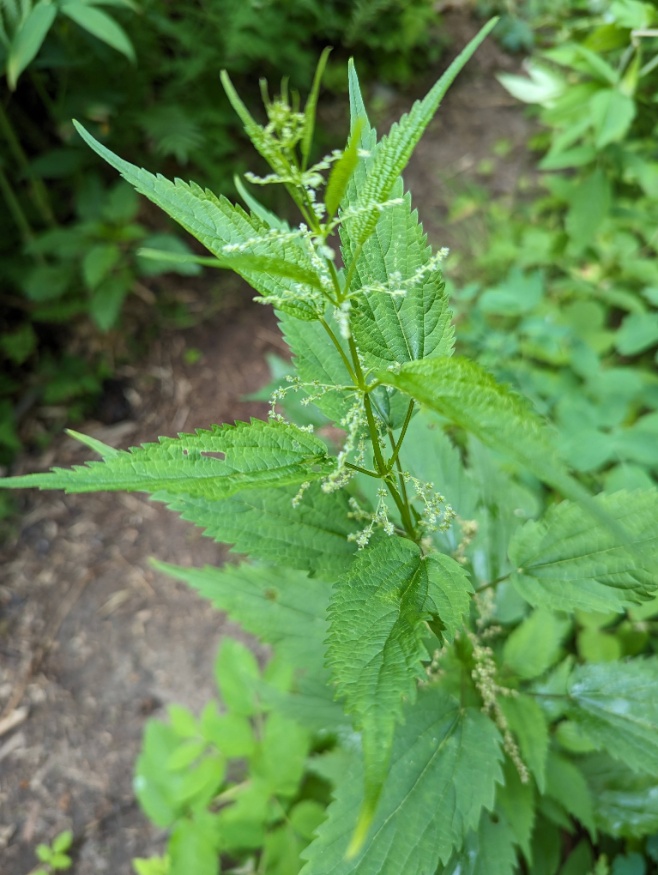
Correct identification is essential before gathering seed or working with nettle. Stinging nettle is a perennial herb that can reach three to six feet tall in rich soil. It has opposite leaves that are pointed, serrated along the edges, and covered with fine stinging hairs.
The stems are square and also carry stinging hairs. When brushed against, these hairs inject formic acid and other compounds that cause a temporary burning sensation. This sting is uncomfortable but not dangerous for most people.
Flowers are small, green, and inconspicuous, forming drooping clusters from the leaf joints. Male and female flowers may appear on the same plant or on separate plants depending on the population. Seeds form in late summer to early fall, turning from green to pale brown as they mature.
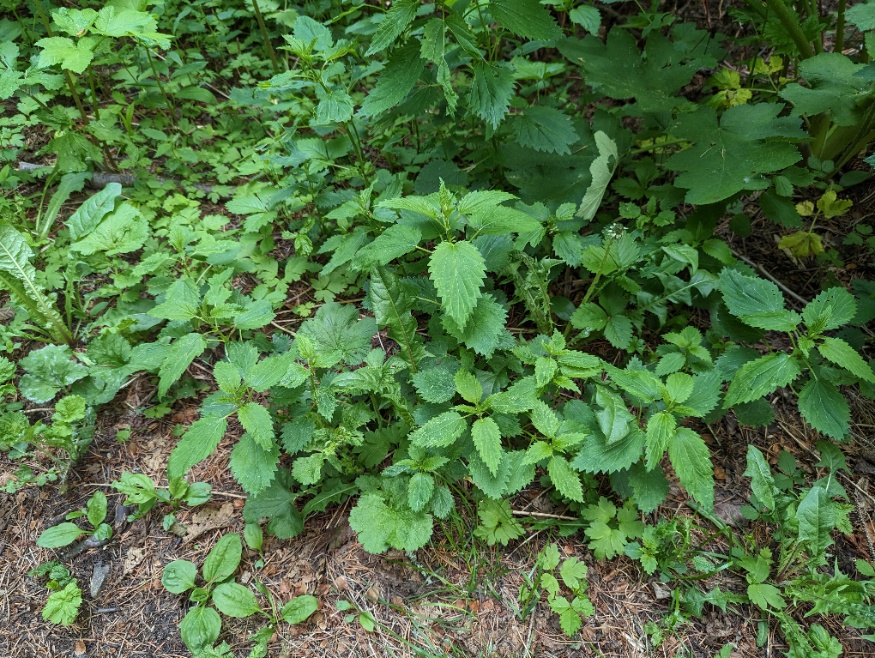
Both European and North American nettles look and behave very similarly. Habitat is also a strong clue. Nettles prefer moist, nitrogen rich soils and often grow near human activity, old barns, compost areas, and waterways.
Why Grow Stinging Nettle at Home
From a homesteader and herbalist point of view, stinging nettle earns its place quickly. It is productive, resilient, and useful in many different ways.
As a food plant, nettle is exceptionally rich in minerals like iron, calcium, magnesium, and silica, as well as vitamins A, C, and K. Once cooked or dried, the sting disappears completely, leaving a mild green flavor similar to spinach. Nettles can be used in soups, pestos, sautés, teas, and broths.
Medicinally, nettle is used as a nourishing tonic, allergy support, blood builder, and general restorative. Clinical herbalist David Hoffmann notes, “Nettle provides a rich source of minerals and vitamins and is particularly supportive to people with chronic fatigue or deficiency conditions.”
In the garden, nettle shines as a fertility plant. Fresh nettle makes one of the best fermented plant fertilizers available. A simple nettle tea or fermented plant juice adds nitrogen, trace minerals, and growth stimulating compounds to garden soil. Many growers swear by nettle feed for leafy crops.
Nettle can also be used as mulch, compost activator, and ingredient in biodynamic style preparations. Its deep roots draw nutrients upward, making those nutrients available to surrounding plants.
Beyond utility, there is real satisfaction in growing a plant that feeds both people and soil. Once established, a small nettle patch can supply food, medicine, and garden fertility for years with very little input.
European and North American Nettles
The European stinging nettle, Urtica dioica, is widely cultivated and studied. It has been naturalized in many parts of North America and behaves similarly to the native forms.
North America’s native stinging nettle is every bit as valuable. It offers the same nutritional profile, medicinal actions, and gardening benefits. In many regions it is better adapted to local conditions and supports native insects.
From a conservation and ecological standpoint, choosing native nettle where possible is a sound choice. That said, both forms are excellent plants, and many gardeners already have one or the other growing nearby.
Gathering Stinging Nettle Seed From the Wild
One of the simplest and most rewarding ways to start nettle is by gathering seed yourself. Nettle produces abundant seed, and a small amount goes a long way.
Seeds are ready when the flower clusters dry and turn pale brown. This usually happens from late summer into early fall. Wearing gloves is helpful, as the plants still sting at this stage.
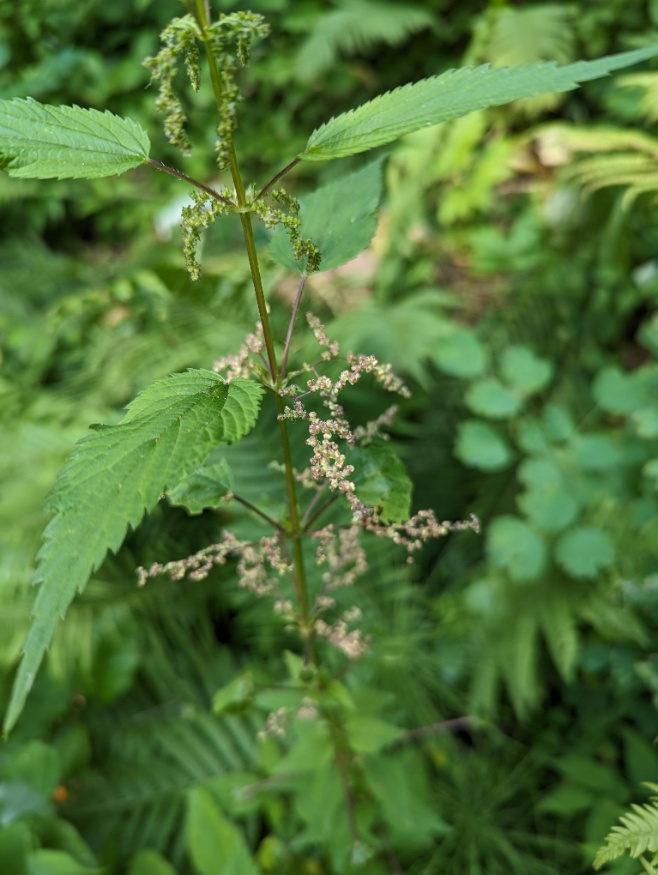
Clip seed heads into a paper bag or basket and allow them to dry further indoors. Once dry, gently rub the seed heads between your hands to release the seeds. Winnow away larger plant material.
From a naturalist and herbalist perspective, ethical seed gathering matters. Take seed from many plants rather than stripping one patch. Leave plenty behind for wildlife and natural regeneration. Avoid gathering in protected areas or sensitive habitats.
Saving your own seed costs nothing, builds local resilience, and preserves plants adapted to your specific region. It also deepens your awareness of plant life cycles and seasonal rhythms.
How to Grow Stinging Nettle From Seed
Growing nettle from seed is straightforward and forgiving. Nettles germinate easily when their basic needs are met.
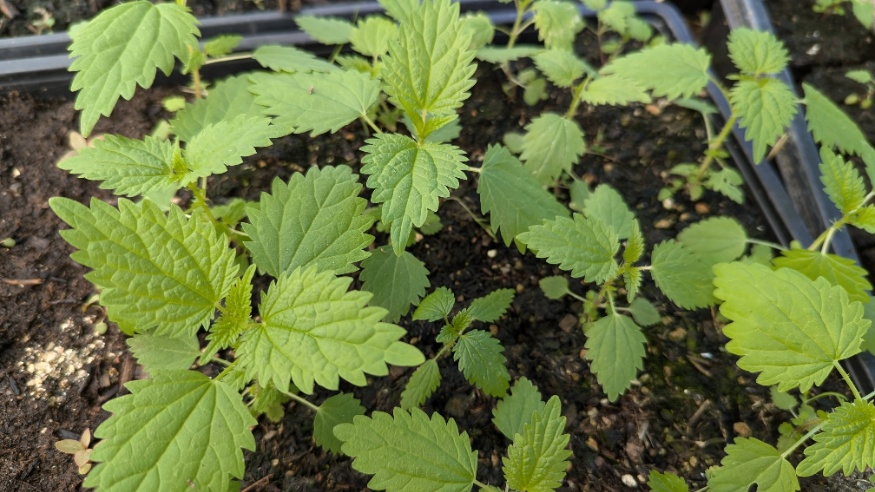
Fresh seed often germinates best, but dried seed will also sprout (stratification). Nettles benefit from a period of cold exposure, which mimics winter conditions. In the below example, I've just used plain garden soil because I had no sand or perlite available (which is the preferred thing to use). This still worked out fine, it helped that it was just stratified outside in the cold.
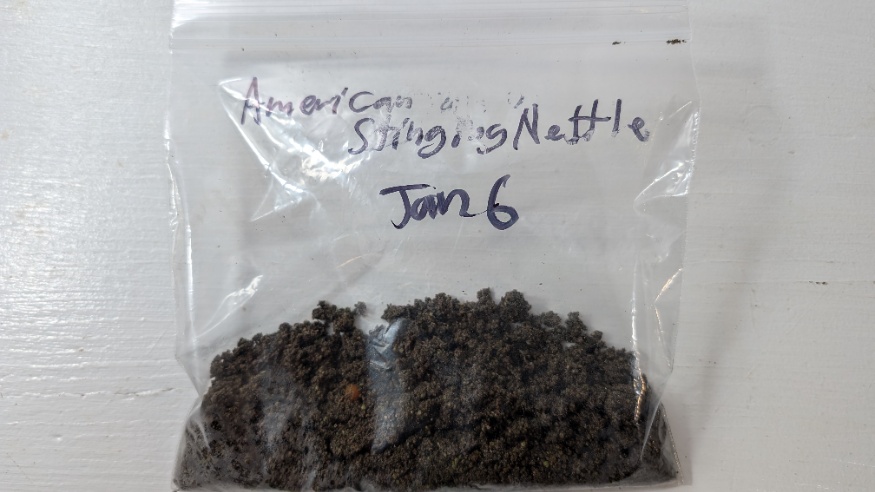
Seeds can be sown outdoors in fall or early spring, or started indoors and transplanted later. Nettles prefer moist, rich soil and partial sun, though they will tolerate full sun if moisture is adequate. Scatter seeds on the soil surface and press them in lightly. Do not bury them deeply, as they need light to germinate. Keep the soil consistently moist until seedlings appear.
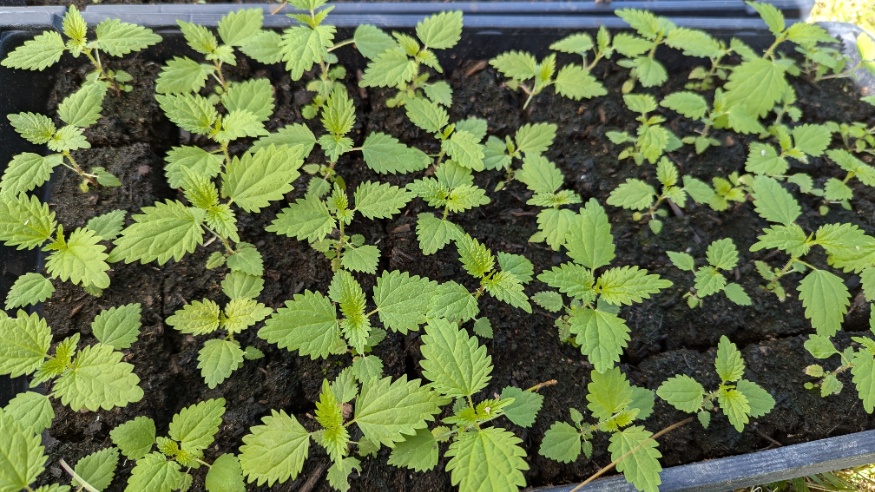
Once established, nettles spread slowly by rhizomes and will form a patch over time. Choose a location where this is welcome, such as a garden edge or dedicated medicinal bed. The below seedlings were scattered and sprouted, then transplanted and spaced out.
Step by Step Summary for Growing Nettle From Seed
- Identify healthy stinging nettle plants in late summer
- Gather mature seed heads when they turn pale brown
- Dry seed heads and separate seeds from plant material
- Cold stratify seeds naturally by fall sowing or brief refrigeration
- Sow seeds on the soil surface and press in gently
- Keep soil moist until germination occurs
- Thin seedlings if needed and allow plants to establish
- Harvest lightly the first year and more heavily in following seasons
Harvesting and Using Your Homegrown Nettle
Young spring leaves are the best for food and medicine. Harvest before flowering for the most tender greens and highest nutrient content. Use gloves or scissors to avoid stings. Leaves can be dried for tea, cooked fresh, or frozen for later use. Older plants can be cut back to encourage fresh growth. For garden use, fresh nettle can be soaked in water to create a strong liquid fertilizer. This fermented plant juice is diluted before use and applied to soil or compost. Nettle roots are harvested in fall and used medicinally, particularly for urinary and prostate support, though this is more common in professional herbal practice.
The Joy and Practicality of Growing Your Own
There is a quiet joy in gathering wild seed, tending seedlings, and watching a useful plant take hold. Growing nettle connects daily work with long traditions of self reliance and care for the land. From a practical standpoint, nettle is one of the most cost effective plants you can grow. A single seed gathering trip can provide enough seed for years. Once established, nettle returns every spring without replanting. For those interested in native and medicinal plants, nettle offers a perfect balance of usefulness, ease, and ecological value.
Conclusion
Growing stinging nettle from seed is simple, affordable, and deeply rewarding. Whether you choose the European species or our own North American native, you are cultivating a plant that feeds people, soil, and tradition alike. With a little attention and respect, nettle will give back far more than it asks for. If you're interested in using stinging nettle for pain relief, check out my article Using Stinging Nettle For Pain Relief
Sources and Quotes
- Gladstar, Rosemary. Herbal Healing for Women. “Nettle is one of the most nutritious plants on the planet.”
- Hoffmann, David. Medical Herbalism. Commentary on nettle as a mineral rich tonic.
- British Herbal Pharmacopoeia. Monograph on Urtica dioica.