Growing Alder from Seed
To grow alder from seed, start by gathering the cones (female catkins) while they're still green or yellow, but mature enough that they can dry and open after being picked. In northern BC, this is typically in the fall or early October.
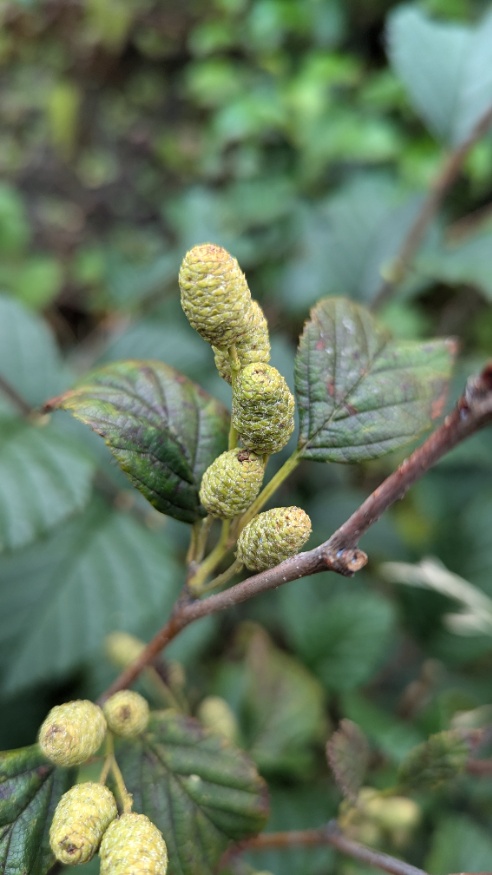
Let the cones sit in a breathable bag, like a paper bag, for a couple of weeks to a month. This allows them to use their energy to mature, dry, and open without the seeds scattering everywhere. If you pick the pods when they are woody, most of the seeds may have already weathered and been released; this is why we pick them slightly immature. Once dry, tap the small winged seeds out onto a table or shake them in a bucket to release more.
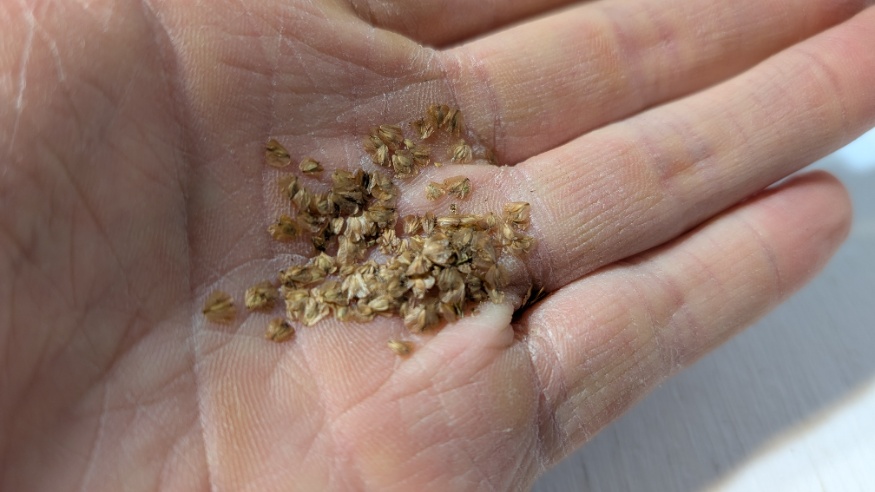
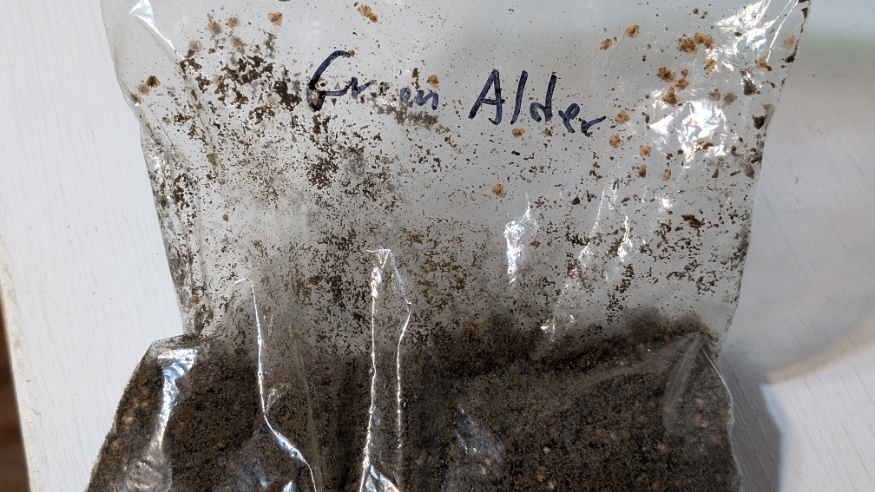
Mix the seeds with some sand or perlite. This helps separate and disperse them evenly, and provides a medium for stratification. Since alder trees naturally grow in colder climates, the seeds need exposure to cold weather to simulate winter before they will sprout. Moisten the sand (not soggy, just moist), and place it outside in the cold or in the fridge for 2 to 3 months.
In spring, spread the seed mixture on loose soil. If you need to thin the seeds further, add more sand to the mixture first. Sprinkle a little soil on top, but make sure the seeds aren’t buried too deeply, as they need light to germinate. Keep the soil constantly moist, but not waterlogged. Maintaining moisture throughout the process is very important.
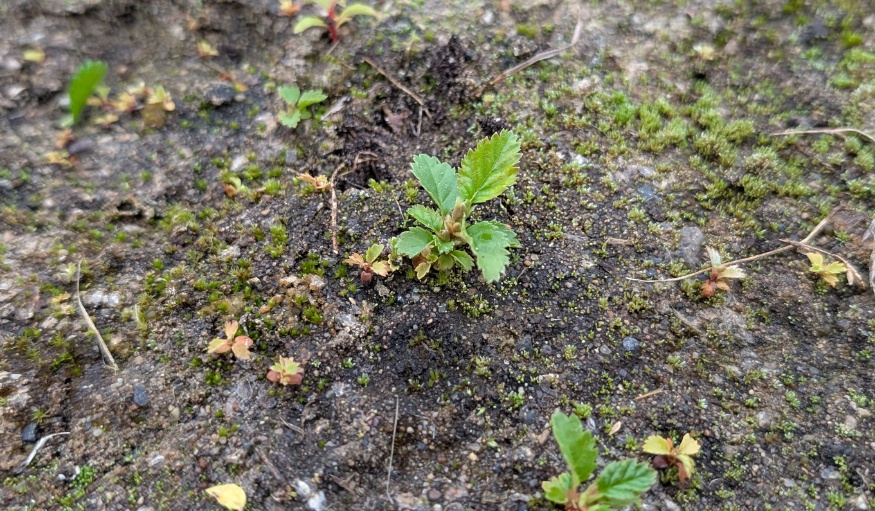
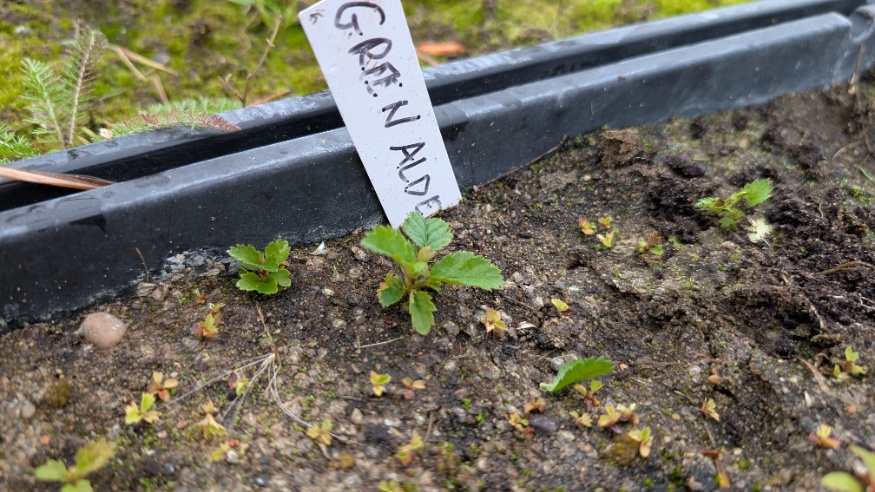
The seeds should germinate in about a month or less, though germination can be sporadic, popping up here and there like many native plants. Seedlings will be quite delicate and small at first. If possible, use a sprayer or misting system to water them until they are ready to transplant, which usually takes about one growing season.
These seedlings were sprouted from seeds collected two seasons ago. Germination rates might have been better if the seeds had been from the previous fall, but this shows that alder seeds have some longevity even if planting is delayed for a year.
Growing alder from seed takes a bit of patience and attention, but growing wild plants and trees can be quite rewarding. With time, these young alders will develop into strong, resilient trees that contribute to the ecosystem and provide beauty to your restoration project. As a side note, if you're interested in the medicinal uses of this timeless herbal treasure, feel free to check out my article on Medicinal Alder