About This Plant
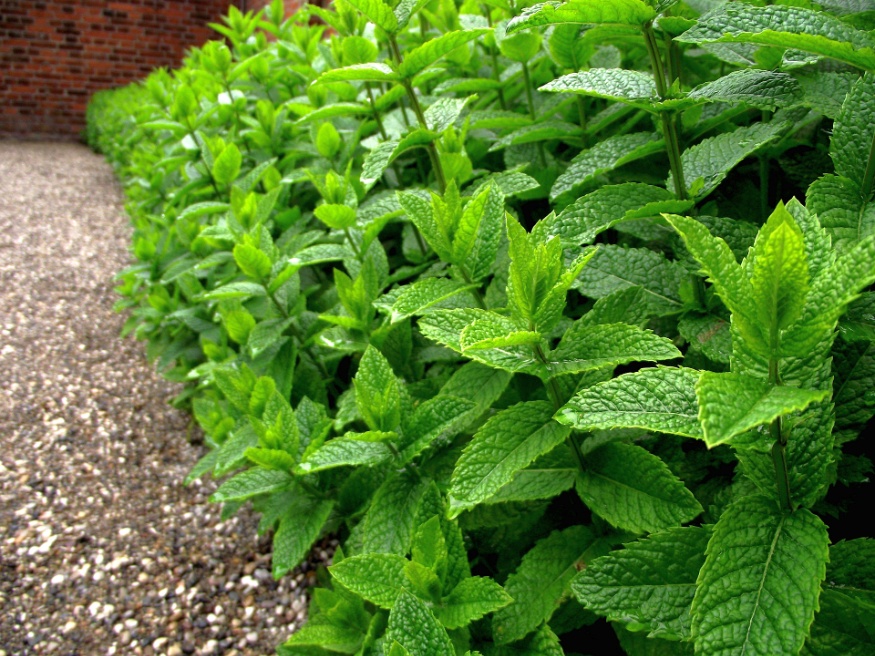
Peppermint is a well-known aromatic herb resulting from a natural hybrid between watermint and spearmint. It has been cultivated for centuries and is now found widely in gardens and naturalized landscapes around the world. Preferring moist soils and partial sun, it often thrives along streams and damp meadows, where it spreads readily through underground runners.
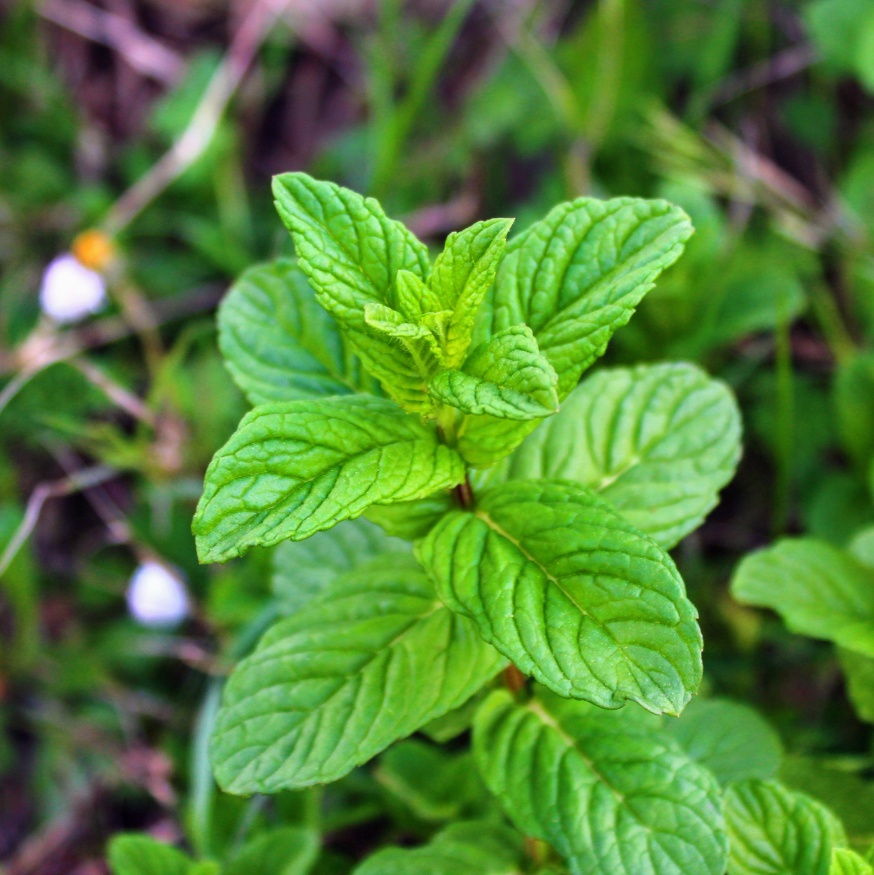
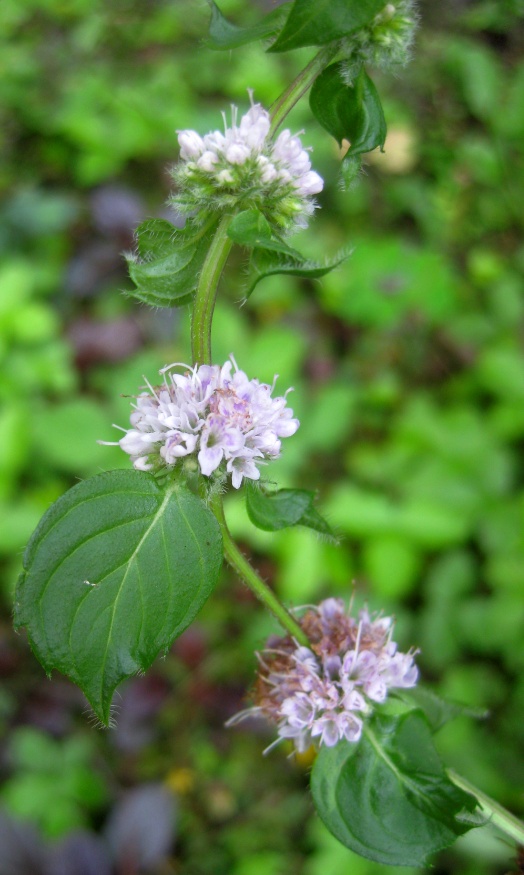
The plant is characterized by square stems, dark green serrated leaves, and a strong, unmistakable scent released when the foliage is crushed. Small purple flowers appear in spikes during the growing season, attracting bees and other pollinators. Its vigorous growth habit makes it both easy to cultivate and important to manage in confined spaces.
Historically, peppermint has been used in European and Middle Eastern traditions for both culinary and medicinal purposes. It quickly gained recognition as a powerful digestive aid and refreshing herb, becoming a staple in teas, tonics, and confections.
Medicinally, peppermint is valued for its cooling and soothing effects on the digestive and respiratory systems. It helps relieve gas, cramping, and nausea, while also supporting clearer breathing. The essential oil is widely used externally for headaches and muscle tension. Its versatility and effectiveness have made peppermint one of the most commonly used herbs in modern herbal practice.
Traditional Use
Folk Use
Peppermint is one of the most widely used medicinal herbs globally, valued for its cooling, aromatic properties. Traditionally, it has been used to soothe digestive discomfort, including bloating, gas, and nausea.
It is also used for respiratory conditions, helping to open airways and ease congestion. The strong menthol content gives it a distinctive cooling sensation, both internally and externally.
For a deeper look at mint as a medicinal group, see this article on medicinal mint.
Chinese Medicine
In Chinese medicine, mint (Bo He) is used to disperse wind-heat, clear the head, and benefit the throat. It is often used in early-stage colds, sore throat, and eye inflammation.
Peppermint aligns with these actions, offering cooling and dispersing qualities that help release surface-level heat conditions.
Special Chemistry
Peppermint contains menthol, menthone, and volatile oils that contribute to its cooling, antispasmodic, and antimicrobial effects.
Signature
The strong, cooling aroma reflects its ability to clear heat, refresh the senses, and stimulate circulation in a gentle yet noticeable way.
Combinations
Peppermint combines well with Chamomile for digestion and Lemon balm for calming effects.
Precautions
Strong peppermint preparations, especially essential oil, should be used cautiously. It may aggravate acid reflux in some individuals and should be avoided in high doses for young children.
| Medicinal Species | Mentha × piperita |
|---|---|
| Tastes | acrid/pungent |
| Organ Systems | digestive, respiratory, nervous |
| Thermal Nature | cool |
| Moisture | drying |
| Parts Used | stems, leaves |
| Preparations | tea/infusion, tincture, essential oil, syrup |
| Organs and Tissue | lungs, stomach, brain |
Growing Guide
Peppermint is best propagated vegetatively through cuttings or root division, as it is a hybrid and does not reliably produce true seed. It thrives in moist, fertile soils and prefers full sun to partial shade.
This plant spreads aggressively through underground runners, making it ideal for contained beds or pots. Regular harvesting encourages bushy growth and helps prevent legginess.
Keep soil consistently moist but well-drained. Peppermint benefits from periodic division to maintain vigor. It is highly adaptable and easy to grow, making it one of the most accessible medicinal herbs.