About This Plant
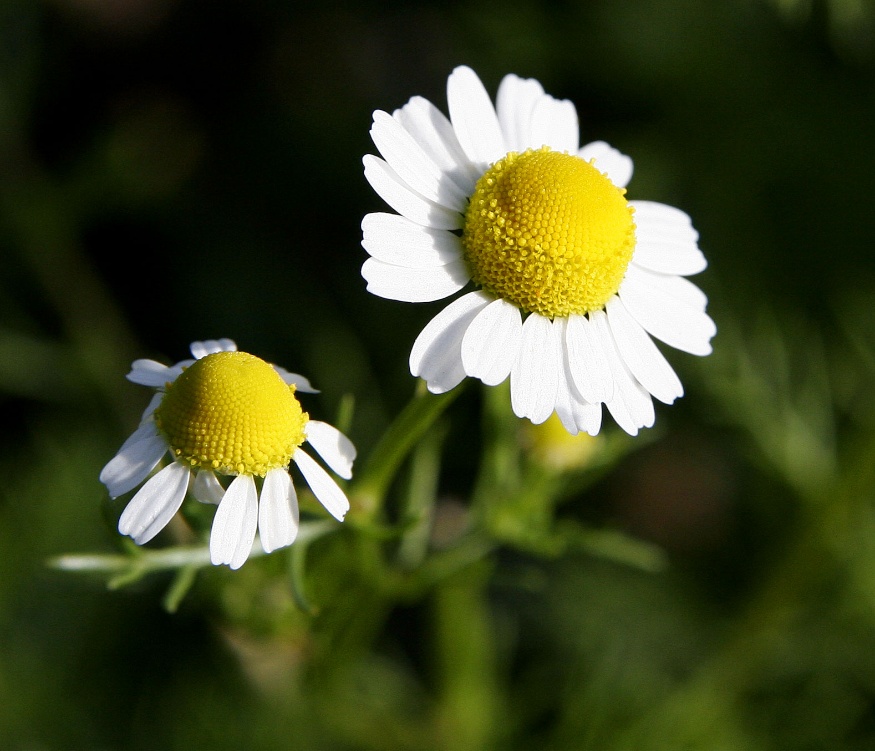
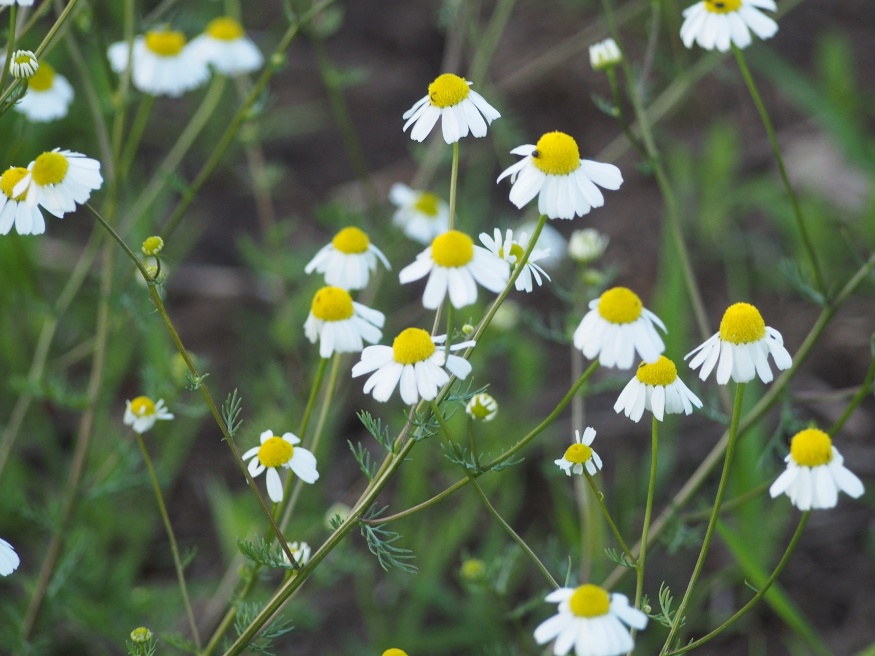
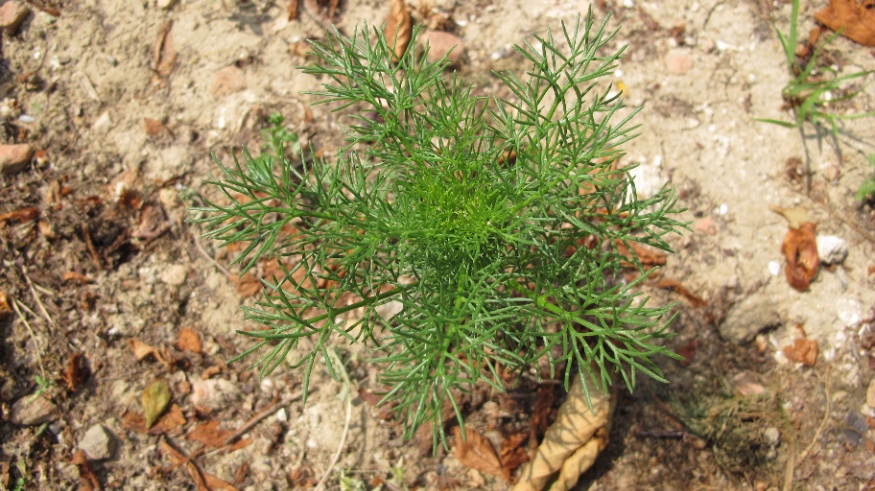
Chamomile (Matricaria chamomilla) is a delicate annual herb known for its small, daisy-like flowers and gentle aroma. The plant produces finely divided, feathery leaves and slender stems that give it a light, airy appearance. Its white petals surround a raised yellow center, creating a familiar and widely recognized flower.
Native to Europe and parts of Asia, chamomile has naturalized across many regions and is commonly found in gardens, fields, and disturbed soils. It grows quickly and thrives in sunny conditions, often reseeding itself freely and returning year after year.
The flowers are the most valued part of the plant and are typically harvested when fully open. Chamomile has a long history of use as a soothing and calming herb, particularly in teas and infusions. Its mild nature makes it suitable for a wide range of uses.
With its soft appearance and gentle qualities, chamomile has become one of the most widely used and recognized herbs, valued for both its beauty and its long-standing role in traditional herbal practices.
Traditional Use
Folk Use
Chinese Medicine
Combinations
Precautions
| Medicinal Species | Matricaria chamomilla |
|---|---|
| Tastes | bitter, sweet |
| Organ Systems | digestive, nervous |
| Thermal Nature | cool |
| Moisture | moistening |
| Parts Used | flowers |
| Preparations | oil, tea/infusion, tincture |