About This Plant
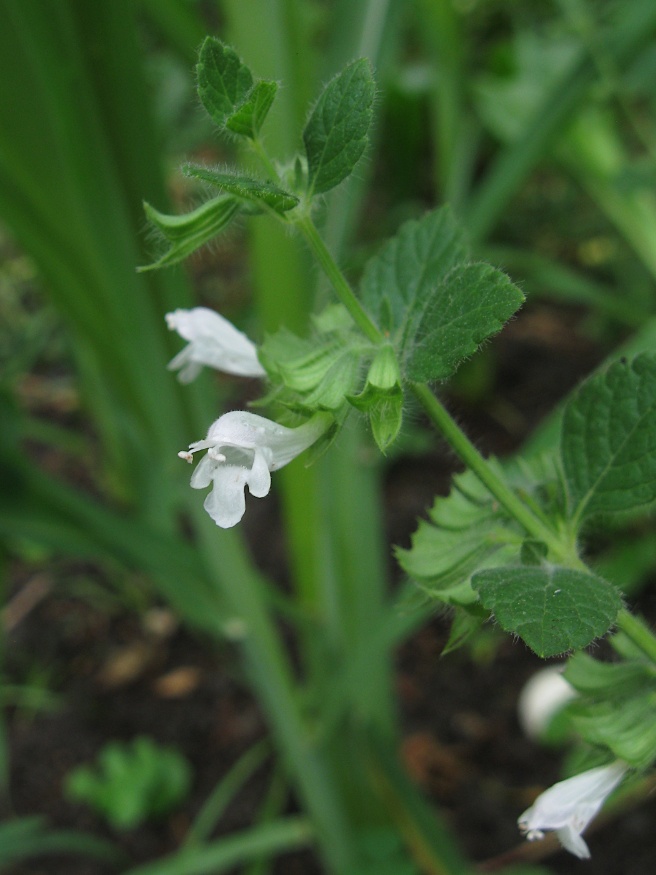
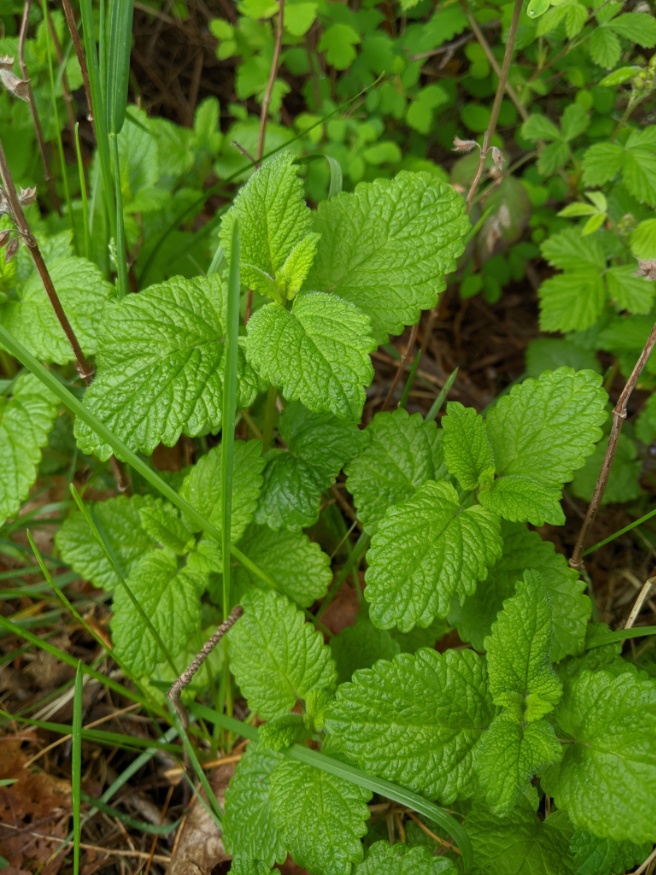
Lemon balm (Melissa officinalis) is a fragrant perennial herb that has been cultivated in gardens for centuries. The plant forms soft clumps of bright green leaves that release a fresh lemon scent when gently brushed or crushed. In early summer, small pale flowers appear along the stems and attract bees and other pollinating insects, a trait reflected in the plant's genus name Melissa, which means "honey bee" in Greek.
Native to the Mediterranean region, lemon balm has adapted easily to gardens and open landscapes throughout much of the temperate world. It grows readily in well-drained soil and thrives in sunny or lightly shaded conditions. Gardeners often harvest the leaves throughout the growing season for teas, culinary dishes, and herbal preparations.
Beyond its pleasant fragrance and culinary value, lemon balm has long been appreciated for its soothing qualities. Herbal traditions have described it as a gentle plant that calms the mind while supporting digestion and overall well-being. Its cheerful presence and versatility make it a favorite herb in medicinal gardens, where it provides both practical uses and a welcoming habitat for pollinators.
Traditional Use
Folk Use
Chinese Medicine
Combinations
Precautions
| Medicinal Species | Melissa officinalis |
|---|---|
| Tastes | bitter, sweet |
| Organ Systems | digestive, immune/lymphatic, nervous |
| Thermal Nature | cool |
| Moisture | moistening |
| Parts Used | leaves, flowers |
| Preparations | extract, tea/infusion, tincture, syrup |
| Organs and Tissue | stomach, blood |