About This Plant
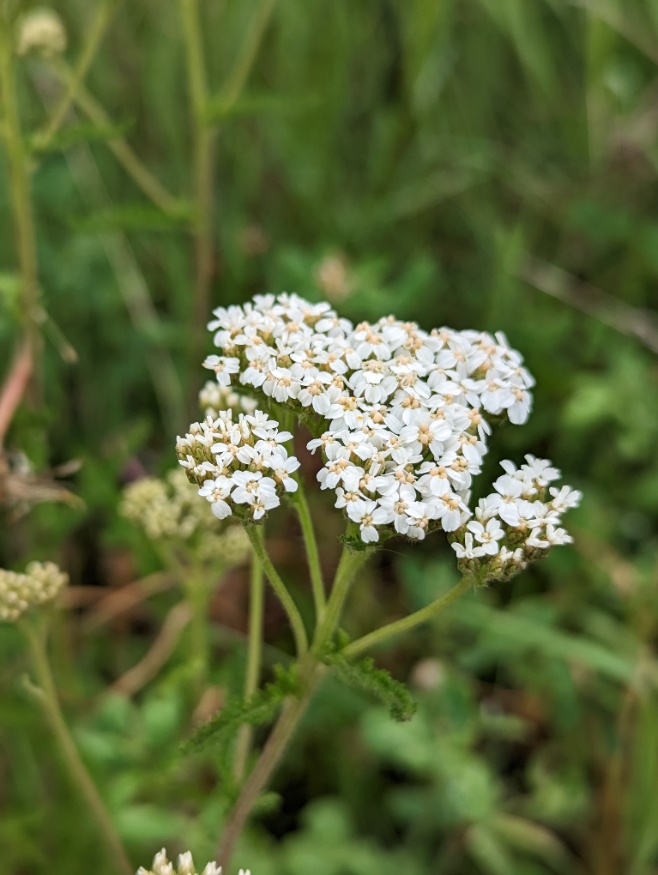
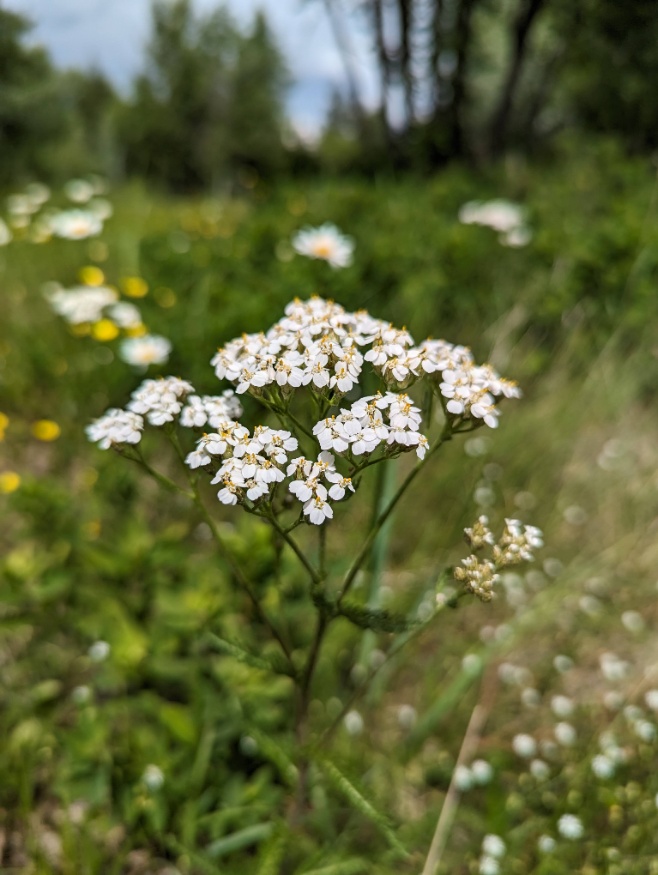
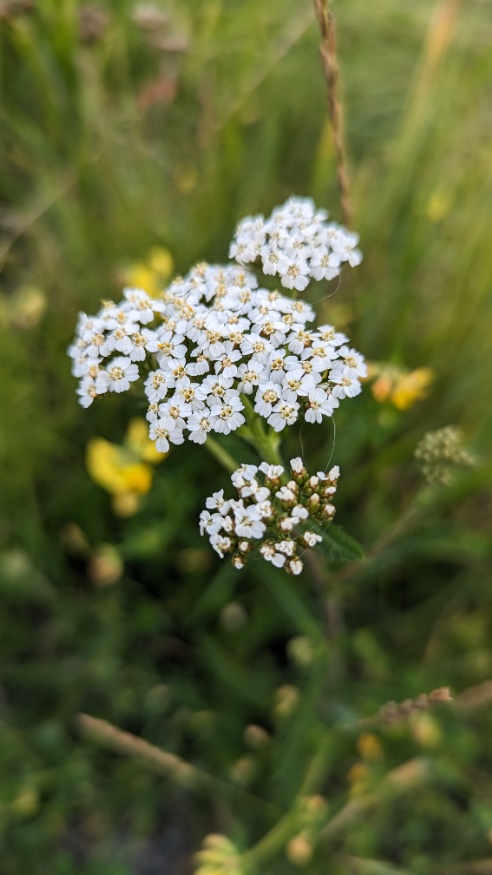
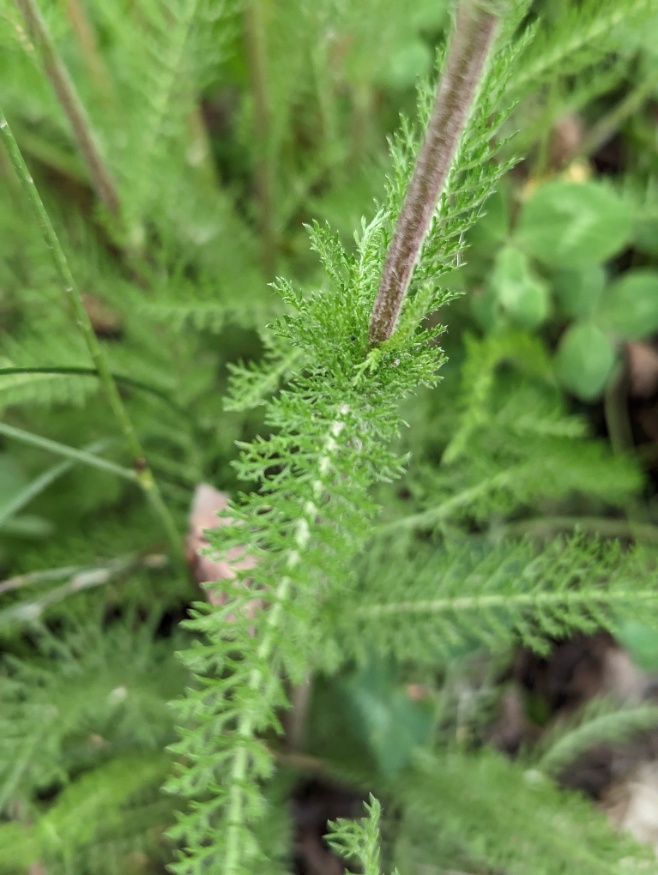
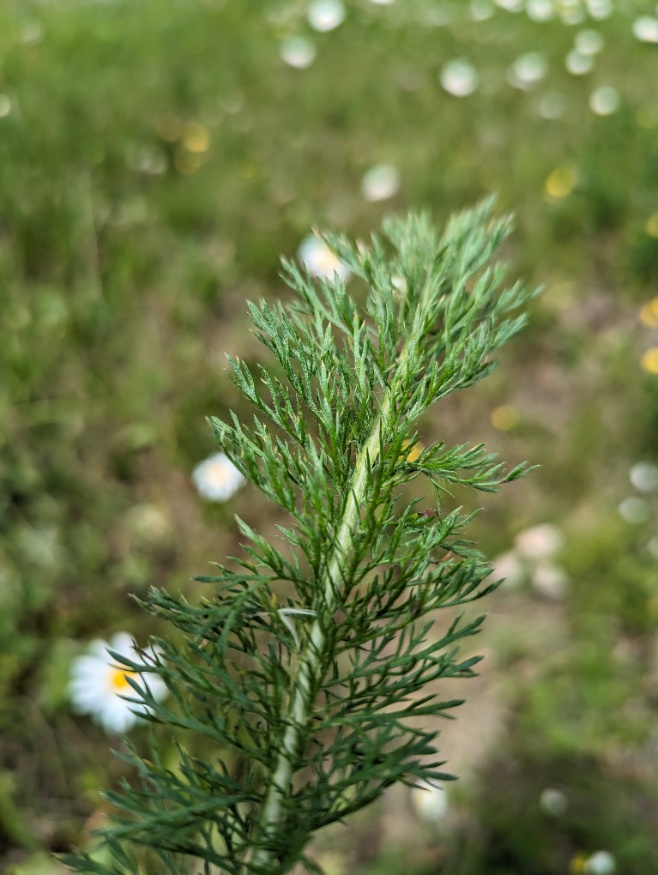
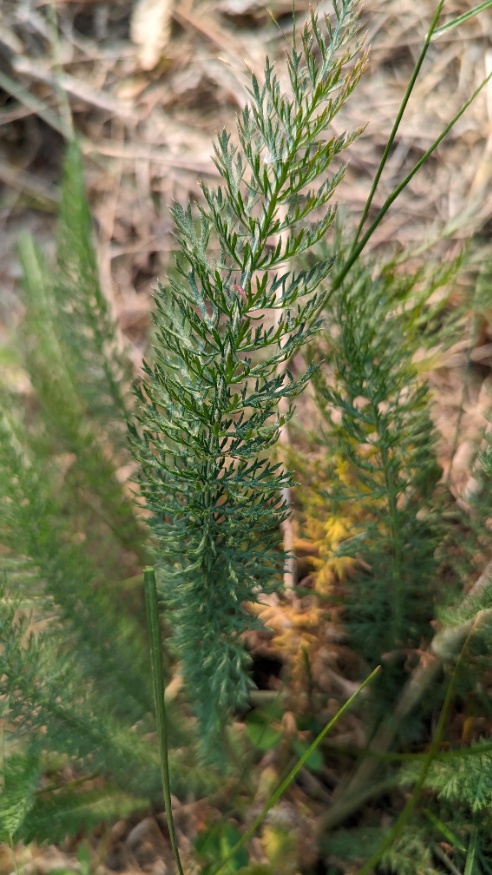
Yarrow (Achillea millefolium) is a resilient and widely distributed perennial known for its finely divided, feathery leaves and clusters of small white flowers. It thrives in open, sunny environments such as meadows and roadsides, where it spreads easily and forms dense patches over time.
This plant has a long-standing reputation as a foundational medicinal herb across many cultures. Traditionally, it has been used as a wound herb, applied fresh to cuts to help stop bleeding and support tissue repair. Its historical association with battlefield use reflects this role, and it continues to be recognized for its relationship with the skin and circulatory system.
Yarrow also demonstrates a broad range of internal actions. It has been used to support digestion through its bitter and aromatic qualities, helping to stimulate digestive processes and ease discomfort. Its influence on circulation allows it to act as both a warming and cooling herb—encouraging blood flow while also helping the body regulate temperature through sweating during fevers.
In addition, yarrow has been associated with supporting the cardiovascular system and maintaining healthy vascular tone, while also being used traditionally for menstrual regulation and mild nervous system support.
With its ability to act across multiple systems—particularly the skin, blood, and digestion—yarrow represents a highly versatile herb, balancing movement and protection within the body while remaining deeply connected to its ecological role in open landscapes.
Traditional Use
Folk Use
Chinese Medicine
Combinations
Precautions
| Medicinal Species | Achillea millefolium |
|---|---|
| Tastes | bitter, acrid/pungent, astringent |
| Organ Systems | circulatory, digestive, reproductive, integumentary (skin, hair, nails) |
| Thermal Nature | neutral |
| Moisture | drying |
| Parts Used | leaves, flowers |
| Preparations | tea/infusion, tincture, wash, compress |
| Organs and Tissue | small intestine, mucosa, blood |