About This Plant
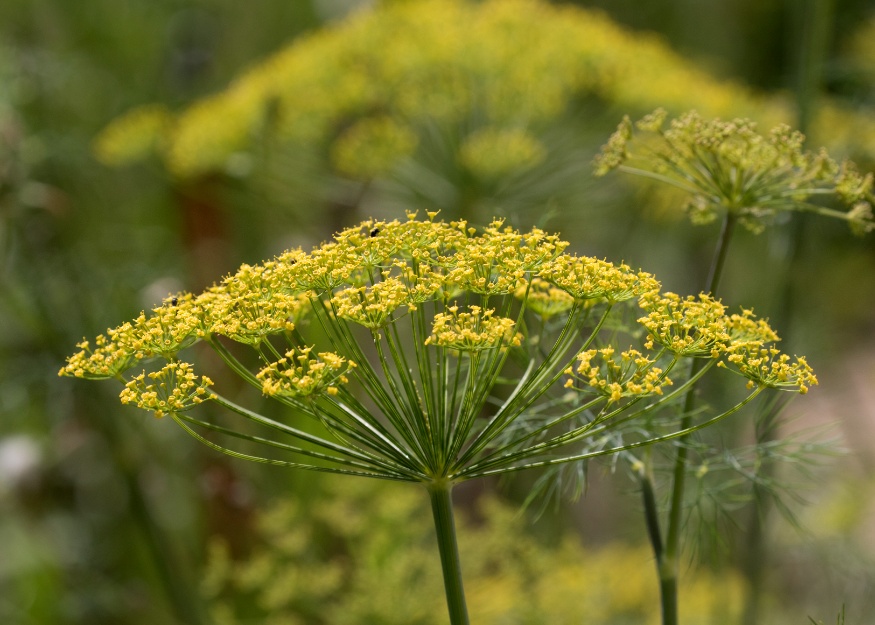
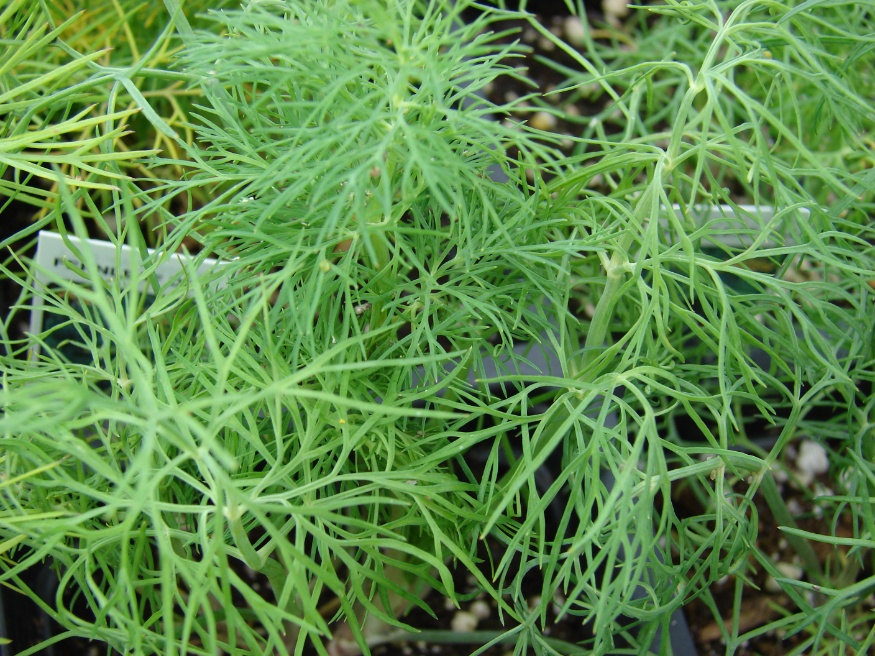
Dill (Anethum graveolens) is a delicate annual herb known for its fine, feathery foliage and aromatic qualities. The plant grows quickly in sunny garden beds, producing slender stems topped with airy clusters of small yellow flowers known as umbels. These flowers attract a wide variety of pollinators, including bees and beneficial insects.
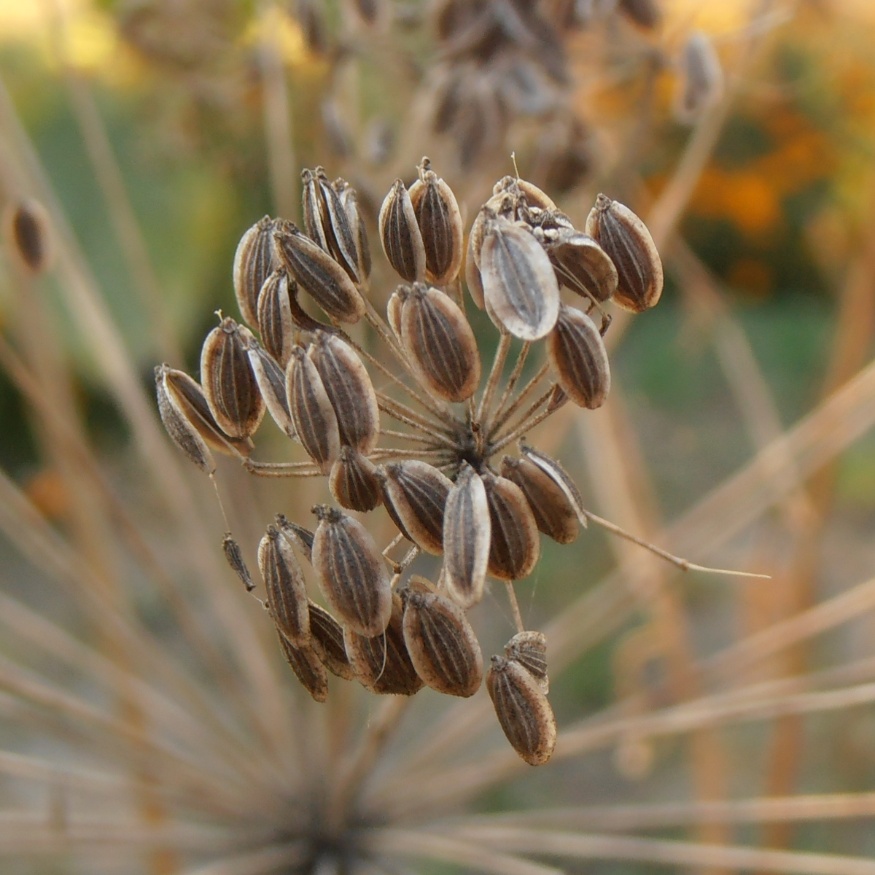
Native to regions of the Mediterranean and western Asia, dill has been cultivated for thousands of years as both a culinary and medicinal herb. Its leaves are commonly used fresh, while the seeds are valued for their stronger flavor and aromatic properties.
In the garden, dill prefers well-drained soil and full sun. It often self-seeds, returning year after year in suitable conditions. The plant's light, airy structure makes it a graceful addition to herb gardens and mixed plantings.
Beyond its culinary appeal, dill has a long history as a digestive aid. Its seeds have been traditionally used to soothe the stomach and support healthy digestion. With its pleasant aroma and versatility, dill remains a staple herb in gardens and kitchens around the world.
Traditional Use
Folk Use
Chinese Medicine
Combinations
Precautions
| Medicinal Species | Anethum graveolens |
|---|---|
| Tastes | bitter |
| Organ Systems | digestive, nervous |
| Thermal Nature | warm |
| Moisture | drying |
| Parts Used | leaves, seeds |
| Preparations | tea/infusion, tincture |
| Organs and Tissue | stomach |