About This Plant
Wild strawberries (Fragaria spp.) are low-growing perennial members of the rose family (Rosaceae) that have delighted people for thousands of years with their fragrant fruits and gentle medicinal qualities. Numerous species occur naturally throughout North America, Europe and Asia, with the most familiar including Virginia strawberry (Fragaria virginiana), woodland strawberry (Fragaria vesca) and beach strawberry (Fragaria chiloensis). These wild species are the ancestors of the modern cultivated garden strawberry, yet many people consider the smaller wild fruits to possess a richer aroma and more concentrated flavour. Beyond their culinary appeal, wild strawberries have long been respected by herbalists as nourishing plants whose leaves, roots and fruits each contribute valuable medicinal properties.
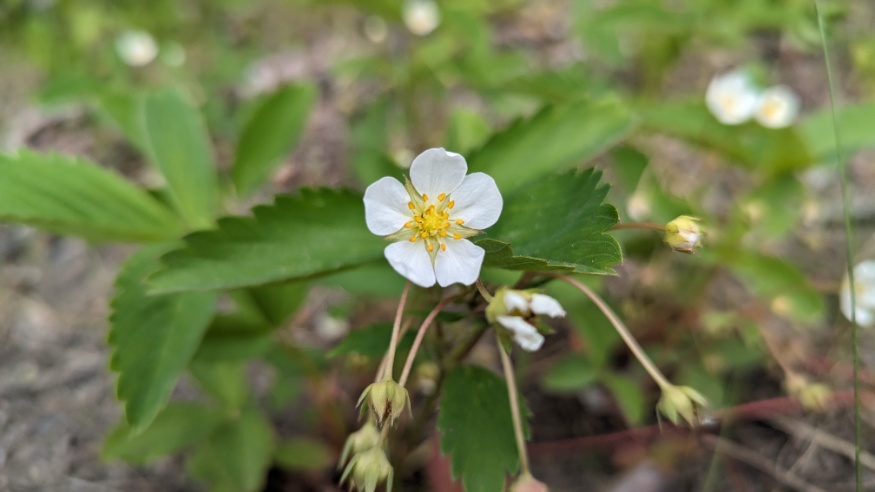
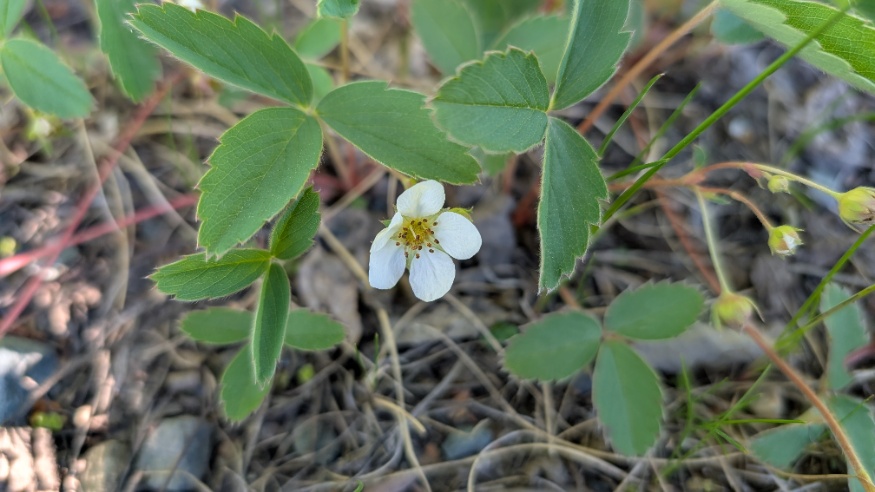
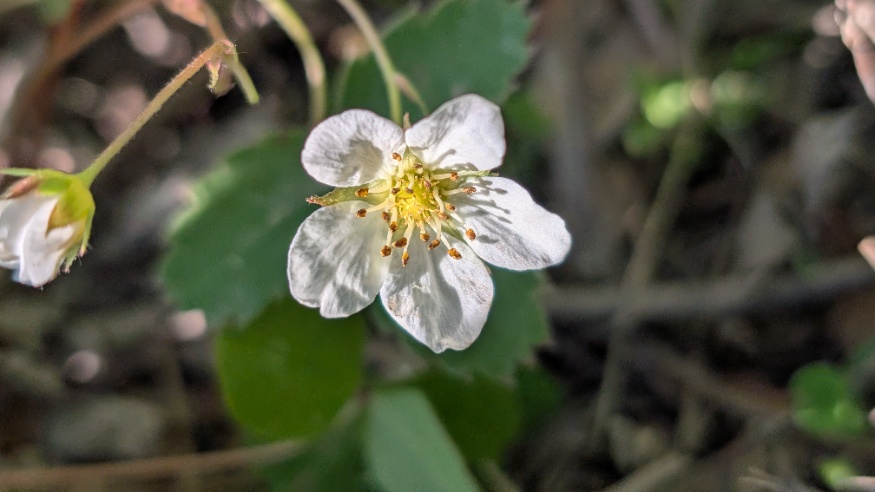
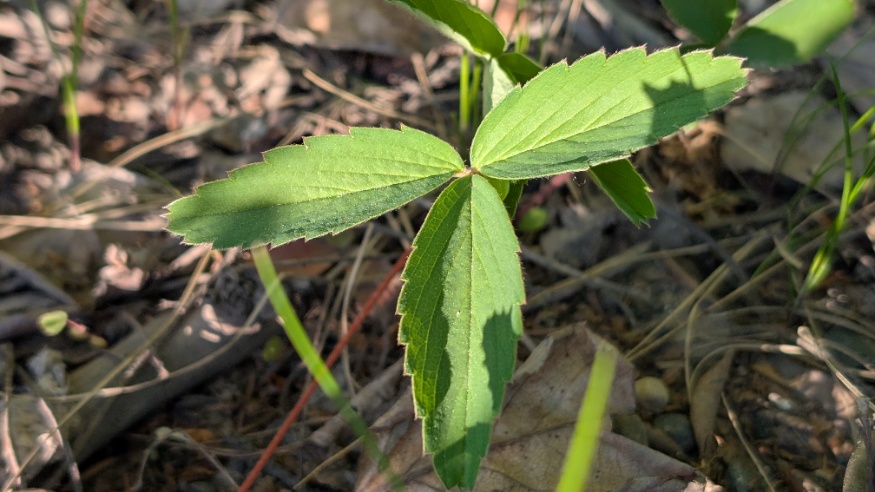
Wild strawberries thrive in open woodlands, meadows, forest edges, prairies and other sunny or lightly shaded habitats with well-drained soil. The plants spread by slender runners that root wherever they contact the ground, gradually forming dense colonies. Their familiar three-part leaves emerge each spring, followed by delicate white five-petalled flowers that provide an important early nectar source for native bees and other pollinating insects. The bright red fruits ripen from late spring through summer, depending on the species and local climate, attracting birds, mammals and countless other wildlife. This combination of ecological value, attractive appearance and edible fruit has made wild strawberries one of the most beloved native groundcovers.
Throughout history, wild strawberries have occupied a special place in both food traditions and herbal medicine. Indigenous peoples across North America harvested the berries fresh, dried them for winter use and incorporated them into numerous traditional dishes. The leaves were commonly brewed into pleasant teas, while the roots were prepared as mild astringent remedies for digestive complaints and occasional diarrhea. European herbalists similarly valued woodland strawberry leaves for supporting healthy digestion, urinary function and the care of minor mouth and throat irritations. Because the entire plant is gentle and nourishing, it became associated with strengthening the body through wholesome daily use rather than intensive medicinal treatment.
In modern Western herbalism, wild strawberry remains valued as a classic example of food and medicine working together. The vitamin-rich fruits provide antioxidants, fibre and natural sweetness, while the tannin-containing leaves continue to be used in teas supporting healthy digestion and urinary function. Herbalists often include the leaves in formulas alongside Raspberry, Chamomile and Lemon Balm. Easy to grow, exceptionally hardy and abundant across much of the northern temperate world, wild strawberries remind us that some of the finest medicinal plants are also among our most enjoyable foods, offering nourishment, beauty and gentle healing in equal measure.
Traditional Use
Folk Use
Wild strawberries have been cherished throughout Europe, Asia and North America as both nourishing foods and gentle medicinal plants. Indigenous peoples across North America gathered the sweet fruits fresh, dried them for winter storage and incorporated them into many traditional foods. The leaves and roots were also widely respected in herbal medicine, particularly for their mild astringent qualities and ability to support healthy digestion. Early European settlers quickly adopted many of these traditional uses after recognizing the abundance and value of native strawberry species.
The leaves have long been prepared as pleasant herbal teas that support digestion, soothe mild diarrhea and promote urinary health. Their naturally occurring tannins make them useful as gentle astringents for both internal and external applications. Washes prepared from the leaves or roots were traditionally applied to minor skin irritations, while gargles were used to soothe the mouth and throat. The ripe fruits were valued not only for nourishment but also for supporting recovery during illness because of their vitamin C content and refreshing flavour.
Among the medicinal species, Fragaria virginiana has the strongest history of use throughout North America, while Fragaria vesca has been extensively employed in European herbalism. Despite regional differences, most wild strawberries share remarkably similar medicinal properties, making the genus an excellent example of food and medicine working together through gentle, nourishing actions rather than powerful pharmacological effects.
Chinese Medicine
Wild strawberries are not classical herbs within the traditional Chinese Materia Medica and therefore have no long-established role in ancient Traditional Chinese Medicine. Although strawberries have been cultivated and consumed in China for centuries, the genus Fragaria developed its medicinal reputation primarily through European and North American herbal traditions. Consequently, there are no standard channel associations, classical formulas or traditional dosage recommendations recorded for the genus.
From a modern energetic perspective, wild strawberry may be viewed as slightly cool with sweet and mildly sour qualities that nourish body fluids while gently clearing mild Heat. The fruits are considered moistening and refreshing, supporting the Stomach by relieving thirst and providing nourishment during warm weather. The tannin-rich leaves possess mild astringent properties that may help stabilize excessive fluid loss through the digestive tract while supporting healthy urinary function. Together, the fruit and leaves offer a balanced combination of nourishment and gentle toning without creating excessive Heat or Cold.
Practitioners integrating Western herbs with TCM principles often regard wild strawberry primarily as a medicinal food rather than a therapeutic herb. It may be recommended as a nourishing seasonal fruit that supports healthy digestion, fluid balance and recovery following illness. However, for pronounced patterns of Dampness, Heat or Qi deficiency, traditional Chinese practitioners generally rely upon herbs with a much longer history of documented clinical use within the Chinese pharmacopoeia.
Special Chemistry
Wild strawberries contain abundant vitamin C, anthocyanins, ellagic acid, ellagitannins, flavonoids and numerous antioxidant polyphenols. The leaves are particularly rich in tannins, contributing to their traditional astringent use for digestive and skin support. The fruits also provide manganese, potassium, folate, fibre and small amounts of other essential vitamins and minerals. The combination of antioxidants and tannins has made the genus an ongoing subject of research into healthy aging, cardiovascular wellness and cellular protection.
Signature
The bright red berries nestled close to the earth have traditionally symbolized vitality, nourishment and the blood. Their sweet fruits hidden beneath protective leaves reflect the idea that healing often comes through humble, nourishing foods rather than dramatic remedies. The runners that continually establish new plants also suggest renewal, abundance and the steady spread of health through gentle, persistent growth.
Combinations
Wild strawberry leaves combine well with Raspberry leaves, Chamomile and Lemon Balm in pleasant digestive teas. For urinary support they have traditionally been blended with Yarrow and Stinging Nettle. The nutritious fruits pair naturally with antioxidant-rich berries such as Saskatoon Berry and Elderberry as part of a food-first approach to wellness.
Precautions
Wild strawberries are generally regarded as very safe for both food and medicinal use. Rare allergic reactions may occur, particularly in individuals sensitive to strawberries or other members of the rose family. Because the leaves contain tannins, consuming very large quantities of strong leaf tea may occasionally cause mild digestive discomfort in sensitive individuals. Harvest only from areas free of pesticide application, roadside contamination and industrial pollution. Proper identification is important, although wild strawberries are among the easier edible plants to recognize because of their distinctive three-part leaves, white flowers and aromatic red fruits.
| Medicinal Species | Fragaria virginiana (primary), Fragaria vesca, Fragaria chiloensis |
|---|---|
| Tastes | sweet, sour, astringent |
| Organ Systems | circulatory, digestive, urinary, reproductive, integumentary (skin, hair, nails) |
| Thermal Nature | cool |
| Moisture | drying |
| Parts Used | roots, leaves, berries |
| Preparations | decoction, extract, tea/infusion, tincture, powder, wash |
| Organs and Tissue | stomach, kidneys, blood, intestines, skin |
Growing Guide
Wild strawberries are hardy perennial groundcovers that spread naturally by runners, forming attractive mats in open woodlands, meadows and garden beds. They thrive in full sun to partial shade and perform best in fertile, well-drained soils rich in organic matter. Although they tolerate a variety of soil types, consistent moisture during the growing season encourages vigorous growth, abundant flowering and high-quality fruit. Once established, the plants require relatively little maintenance and often expand naturally into suitable surrounding areas.
Seeds benefit from approximately 60–90 days of cold moist stratification before sowing, although propagation by runners is considerably faster and more reliable. Young plants quickly establish shallow root systems before producing slender stolons that root at the nodes to create new daughter plants. Dividing these rooted runners during spring or autumn is the easiest method of increasing a planting. Regular removal of older foliage after fruiting helps improve air circulation and encourages healthy new growth.
Wild strawberries flower during spring, producing white five-petalled blossoms that attract numerous native bees and other pollinating insects. Small aromatic fruits follow several weeks later and are highly prized by birds, mammals and people alike. Because wildlife eagerly harvests the berries, gardeners often protect patches with netting if larger harvests are desired. Occasional compost applications and moderate watering during dry periods help maintain vigorous colonies while preserving the flavour and medicinal quality of both leaves and fruit.