About This Plant
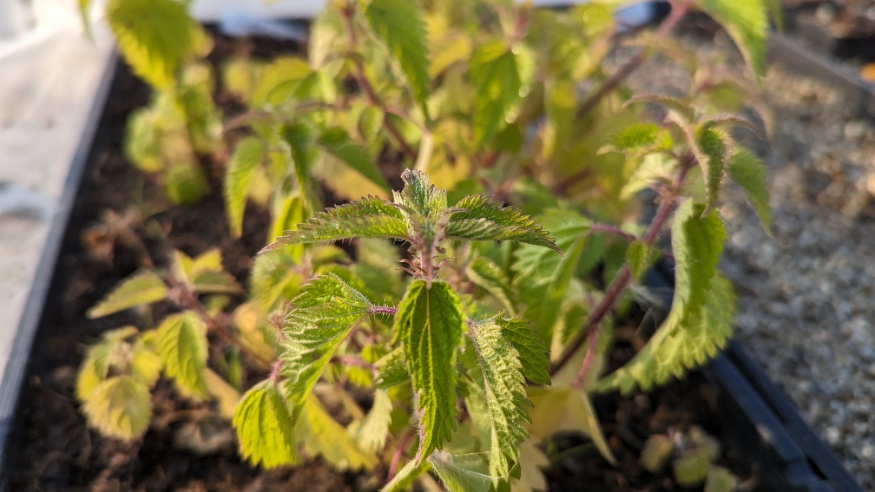
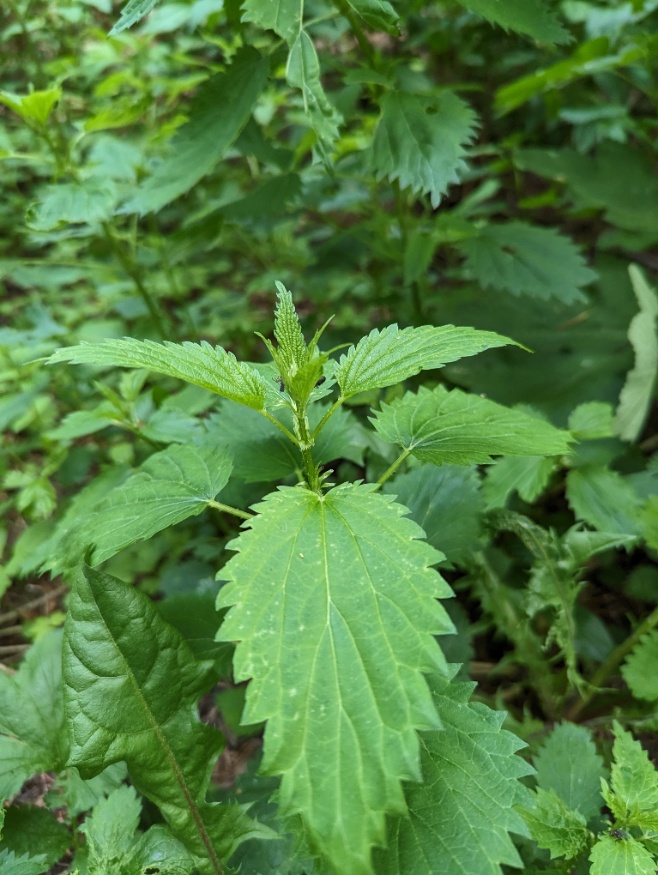
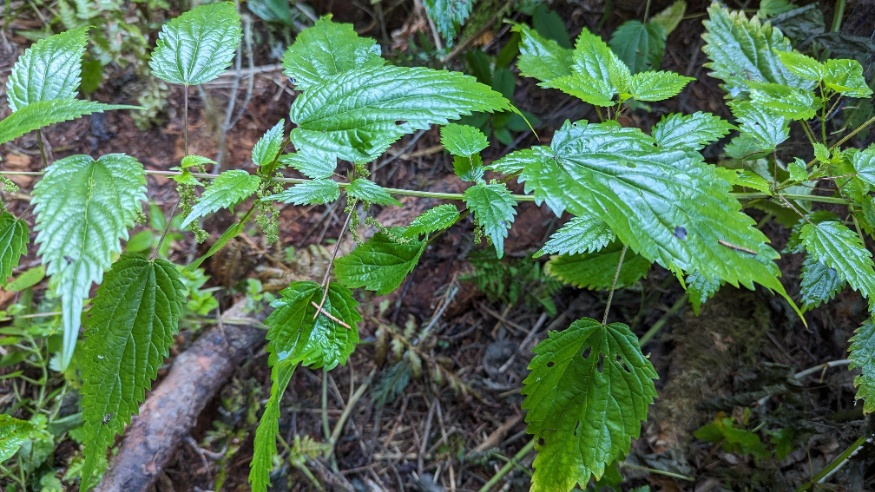
Stinging nettle (Urtica spp.), including Urtica dioica and Urtica gracilis, is a vigorous perennial herb widely found in nutrient-rich soils. It commonly grows along riverbanks, forest edges, and disturbed ground, where it forms dense stands. The plant is easily recognized by its serrated leaves and fine stinging hairs that cover stems and foliage.
When brushed against, these hairs inject compounds that cause a brief stinging sensation, a characteristic that has made the plant both notorious and memorable. Despite this, nettle has long been valued as a highly nutritious and versatile plant.
Once cooked or dried, the sting disappears, revealing a plant rich in vitamins and minerals. Traditionally, nettle has been used as both a food and a medicinal herb, particularly as a strengthening spring tonic. The leaves, roots, and seeds each have their own uses, contributing to its reputation as a deeply supportive plant.
Resilient and abundant, stinging nettle plays an important ecological role while also maintaining a strong connection to traditional food and herbal practices.
Traditional Use
Folk Use
Chinese Medicine
Combinations
Precautions
| Medicinal Species | Urtica dioica, Urtica gracilis |
|---|---|
| Tastes | bitter, astringent |
| Organ Systems | circulatory, urinary, immune/lymphatic, endocrine |
| Thermal Nature | neutral |
| Moisture | moistening |
| Parts Used | roots, leaves, seeds |
| Preparations | tea/infusion, tincture, powder |
| Organs and Tissue | kidneys, thyroid, blood |