About This Plant
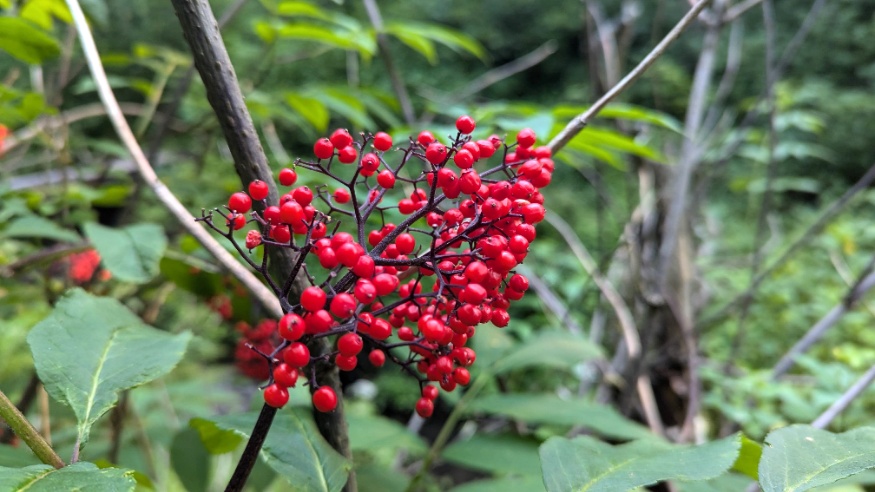
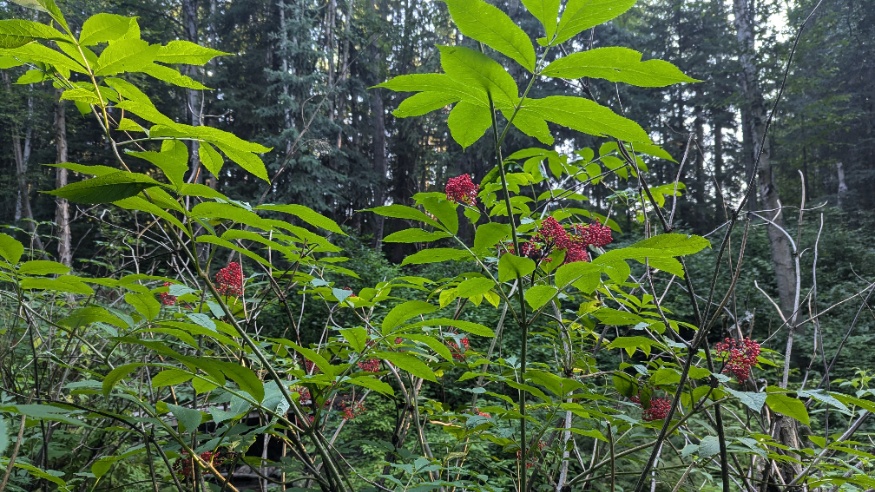
Elderberry (Sambucus racemosa, S. nigra) is a fast-growing deciduous shrub native to temperate regions of Europe, Asia, and North America. It produces multi-stemmed, rounded to upright shrubs 6–15 feet tall. In late spring, it bears clusters of fragrant, creamy-white flowers, followed by dark purple to black berries in summer. The berries are highly nutritious and attract birds, while flowers support pollinators. Elderberry thrives in fertile, moist soils with good drainage and partial to full sunlight. The plant is long-lived and valued for edible berries, medicinal uses, and ecological support in landscapes and natural habitats.
Traditional Use
Folk Use
Elderberry has a long history as both food and medicine. Berries were eaten fresh, cooked, or dried for jams, syrups, and beverages, while flowers were brewed into teas. Medicinally, elderberry preparations were used to support the immune system, reduce fever, and ease colds or flu. Flower infusions helped respiratory complaints like coughs and bronchitis, while berry decoctions supported urinary and digestive health. Bark and leaves were used sparingly for topical or mild purgative purposes. Folk use emphasizes the plant's protective, restorative, and nutritive qualities.
Chinese Medicine
Elderberry is considered slightly sweet and cooling, supporting Lung, Kidney, and Blood systems. Berry and flower preparations may clear mild heat, reduce inflammation, support respiratory function, and act as a gentle tonic for digestive and circulatory systems. Modern herbalists incorporate elderberry in formulas for immune support and mild detoxification.
Special Chemistry
Rich in anthocyanins, flavonoids, vitamins A, C, and phenolic acids. Flowers contain volatile oils and flavonoids, contributing to antioxidant, anti-inflammatory, and mild antiviral properties.
Signature
Clusters of dark berries and umbrella-shaped flowers symbolize abundance, protection, and vitality.
Combinations
Elderberry pairs with yarrow, echinacea, rosehip, or hawthorn for immune or circulatory support. Flowers blend well with chamomile or mint for teas.
Precautions
Raw berries, bark, and leaves contain cyanogenic glycosides and should not be eaten uncooked. Cook berries fully before consumption.
| Medicinal Species | Sambucus racemosa, Sambucus nigra |
|---|---|
| Tastes | sweet, sour, astringent |
| Organ Systems | circulatory, digestive, respiratory, urinary, nervous |
| Thermal Nature | cool |
| Moisture | moistening |
| Parts Used | inner bark, leaves, flowers, berries |
| Preparations | decoction, tea/infusion, tincture, powder, syrup |
| Organs and Tissue | lungs, stomach, small intestine, kidneys, mucosa, blood |
Growing Guide
Elderberry grows best in moist, fertile, well-drained soils with full sun to partial shade. Plant cuttings or root divisions in spring or fall. Mulching helps conserve moisture and suppress weeds. Hardy to zone 3, elderberries spread via suckers and can form large multi-stemmed shrubs. Regular pruning encourages healthy growth, abundant flowering, and fruit production. Elderberries are fast-growing and long-lived, providing edible berries, flowers, and habitat for pollinators and birds.