About This Plant
Sow thistles (Sonchus spp.) are a group of annual and perennial herbs in the daisy family (Asteraceae) that have long served as valuable wild foods and medicinal plants despite often being dismissed as common weeds. Several species are widespread throughout North America, Europe, Asia and many other temperate regions, with the most familiar including common sow thistle (Sonchus oleraceus), prickly sow thistle (Sonchus asper), field sow thistle (Sonchus arvensis) and marsh sow thistle (Sonchus palustris). Although they differ somewhat in leaf shape, prickliness and habitat preferences, they share similar medicinal qualities, edible uses and identifying characteristics. Their rapid growth and ability to colonize disturbed soils have made them one of the world's most successful wild edible plants.
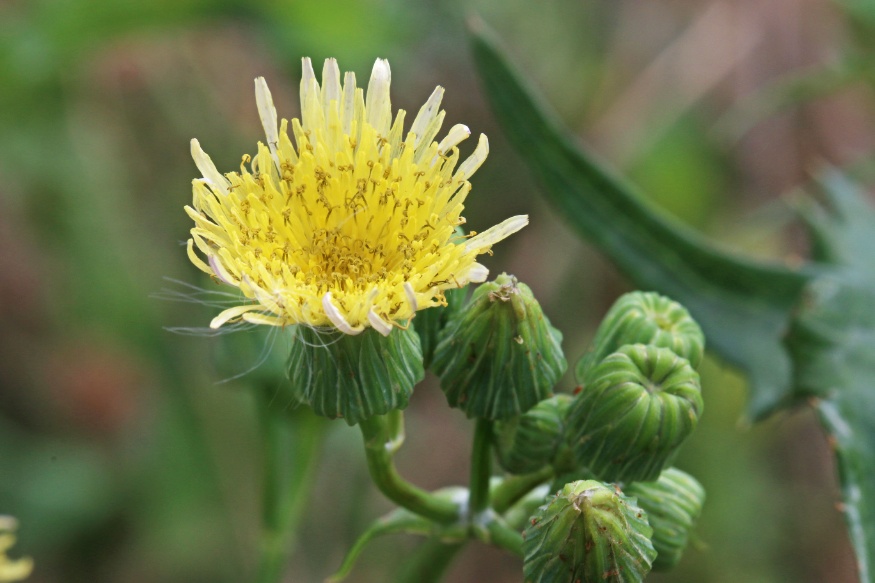
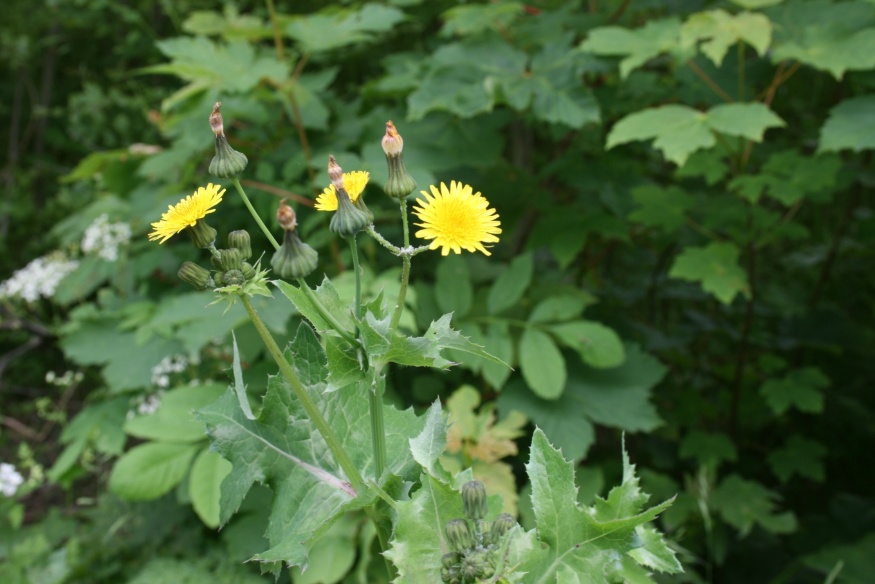
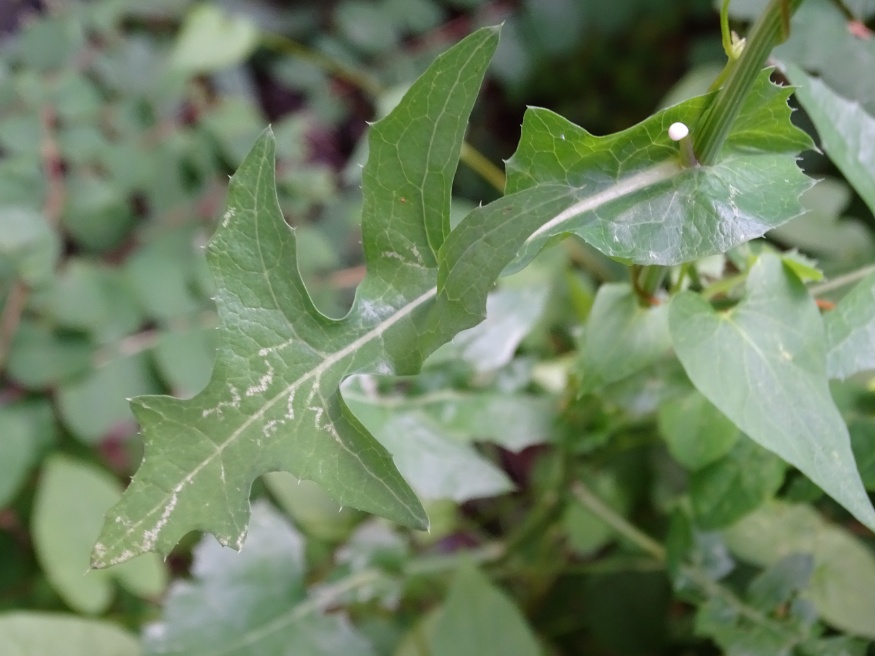
Sow thistles are easily recognized by their hollow stems containing a white milky latex, soft dandelion-like yellow flower heads and alternate leaves that clasp the stem with rounded ear-like lobes. Common sow thistle has relatively soft leaves with only small prickles, while prickly sow thistle develops noticeably stiffer, shinier foliage armed with sharp spines. Field sow thistle spreads aggressively by creeping underground rhizomes and often forms dense colonies, whereas marsh sow thistle favours moist habitats and grows considerably taller. The flowers provide abundant nectar and pollen for bees, hoverflies and numerous other beneficial insects, while the fluffy windborne seeds are readily eaten by finches and other seed-eating birds.
Throughout history, sow thistles have been gathered as one of the first edible greens of spring. Young leaves, tender stems and unopened flower buds were eaten raw or cooked in many parts of Europe, the Mediterranean and Asia, providing important vitamins and minerals following the scarcity of winter. Their pleasantly bitter flavour reflects the presence of compounds traditionally associated with stimulating digestion and supporting healthy liver function. Rural herbalists commonly prepared leaf infusions and decoctions as mild digestive tonics, while fresh sap or crushed leaves were occasionally applied externally to soothe minor skin irritations and superficial wounds.
In modern Western herbalism, sow thistles continue to be appreciated as nourishing medicinal foods that gently support digestion, liver function and urinary elimination rather than as strongly acting therapeutic herbs. Their rich mineral content, antioxidant compounds and mild bitterness make them excellent additions to seasonal spring tonics alongside herbs such as Dandelion, Chickweed and Stinging Nettle. Easy to identify, abundant across much of the world and highly nutritious, sow thistles demonstrate that some of the most valuable medicinal plants are often those growing unnoticed in gardens, fields and roadsides.
Traditional Use
Folk Use
Sow thistles have been valued as both food and medicine across Europe, Asia and North Africa for centuries. The young leaves were traditionally gathered during spring as one of the earliest wild vegetables available after winter. Although the mature foliage develops a pleasant bitterness, young leaves are mild enough to eat fresh in salads or lightly cooked much like spinach. The tender stems and unopened flower buds were also consumed in many regions.
Traditional herbalists regarded sow thistle as a cooling herb that gently supported liver function, digestion and urinary elimination. Infusions prepared from the leaves were commonly used to encourage healthy digestion following rich meals while also supporting normal fluid balance. In several Mediterranean traditions, fresh leaf juice was applied externally to soothe minor skin irritations and promote the healing of superficial wounds. The roots occasionally appeared in decoctions intended to strengthen digestion and improve general vitality.
Among the medicinal species, Sonchus oleraceus has received the greatest historical attention because of its widespread distribution and mild flavour, while S. asper shares many of the same medicinal properties despite its noticeably pricklier leaves. S. arvensis has traditionally been employed in similar ways where abundant, and the less common S. palustris possesses comparable food and medicinal qualities. Today, sow thistles continue to be appreciated by foragers as nutritious wild greens that bridge the gap between food and herbal medicine.
Chinese Medicine
Sow thistle is not a traditional herb within the classical Chinese Materia Medica and therefore has no established role in ancient Traditional Chinese Medicine. Although various Sonchus species are consumed as vegetables in parts of Asia and have appeared in regional folk medicine, they were never widely adopted into the formal TCM pharmacopoeia. Consequently, there are no classical channel associations, standard formulas or dosage guidelines recorded for the genus.
From a modern energetic perspective, sow thistle can be interpreted as slightly cool and bitter, with actions that primarily support the Liver, Stomach and Large Intestine. Its traditional reputation for encouraging digestion, supporting healthy liver function and promoting urination aligns conceptually with clearing mild Heat and Dampness while encouraging the smooth movement of fluids. The nutritious young leaves also provide minerals and antioxidants that nourish the body without creating excessive Heat, making the plant suitable for constitutions showing signs of mild internal Heat or digestive stagnation.
Modern practitioners integrating Western herbs with TCM principles occasionally view sow thistle as a gentle food herb rather than a powerful medicinal. It is more appropriately considered a nourishing seasonal vegetable that supports healthy digestion and elimination than a primary therapeutic herb. For stronger Liver or Damp-Heat patterns, practitioners generally select established Chinese medicinals with a much longer history of documented clinical use.
Special Chemistry
Sow thistles contain sesquiterpene lactones responsible for their characteristic bitter flavour, along with flavonoids, phenolic acids, carotenoids and abundant vitamins A, C and K. The leaves are also rich in calcium, potassium, magnesium and iron, contributing to their long-standing reputation as a highly nutritious wild food. Several species contain antioxidant polyphenols that have attracted scientific interest for their potential role in supporting healthy inflammatory responses and protecting cells from oxidative stress.
Signature
The hollow stems filled with nourishing sap suggest the movement of fluids and vitality throughout the body, while the abundant milky latex reflects the plant's traditional association with nourishment and tissue repair. Its ability to rapidly colonize disturbed ground symbolizes resilience, restoration and the capacity to restore balance where the landscape - or the body - has been depleted.
Combinations
Sow thistle combines well with Dandelion, Chickweed and Stinging Nettle as a nourishing spring tonic supporting digestion and healthy liver function. It also pairs well with Plantain in traditional skin-supporting preparations. As a wild food, it blends naturally with other edible spring greens to provide a mineral-rich seasonal tonic while moderating the bitterness of stronger herbs.
Precautions
Sow thistle is generally regarded as a very safe edible and medicinal plant when correctly identified. Individuals with allergies to members of the Asteraceae family should exercise caution, as allergic reactions are possible. Older leaves become increasingly bitter and fibrous, making young growth preferable for culinary use. Harvest only from areas free of herbicide application, roadside contamination and industrial pollution. Proper identification is important because young sow thistles may resemble other yellow-flowered members of the daisy family, although the hollow stems and characteristic milky latex provide useful distinguishing features. Medicinal use should complement, rather than replace, appropriate medical care for serious conditions.
| Medicinal Species | Sonchus oleraceus, Sonchus asper, Sonchus arvensis, Sonchus palustris |
|---|---|
| Tastes | bitter, sweet |
| Organ Systems | circulatory, digestive, hepatobiliary (liver & gallbladder), urinary, immune/lymphatic |
| Thermal Nature | cool |
| Moisture | moistening |
| Parts Used | roots, early shoots, leaves |
| Preparations | decoction, extract, tea/infusion, tincture, powder, wash |
| Organs and Tissue | stomach, liver, gallbladder, kidneys, blood |
Growing Guide
Sow thistles are among the easiest wild edible plants to cultivate, although most gardeners simply allow them to volunteer naturally. Species such as Sonchus oleraceus (common sow thistle), S. asper (prickly sow thistle), S. arvensis (field sow thistle) and S. palustris (marsh sow thistle) readily establish from seed and thrive in disturbed soils where competition is limited. They grow best in full sun but tolerate partial shade and adapt to nearly any reasonably well-drained soil.
Seeds germinate readily after approximately 30–60 days of cold moist stratification, although autumn-sown seed often germinates naturally the following spring. Young plants rapidly form leafy rosettes before producing hollow flowering stems topped with yellow dandelion-like flower heads. Successive sowings throughout spring and summer provide a continual supply of tender leaves suitable for harvesting before flowering. Older foliage becomes progressively more bitter and fibrous but remains useful medicinally.
Although sow thistles spread freely by abundant windborne seed, they are easily managed by harvesting plants before seed heads mature. They require little maintenance beyond occasional thinning when grown intentionally. Their flowers provide nectar and pollen for bees, hoverflies and numerous beneficial insects, while goldfinches and other birds readily consume the seeds. Because they establish so easily, sow thistles are often harvested from naturally occurring populations rather than deliberately planted, making them an accessible medicinal and edible wild green for beginning foragers.