About This Plant
Chickweed is a small, delicate annual plant that often goes unnoticed despite its abundance and usefulness. Native to Europe but now naturalized worldwide, Stellaria media thrives in gardens, lawns, and disturbed soils where moisture and fertility are present. It is particularly common in cooler seasons, often appearing in early spring and fall.
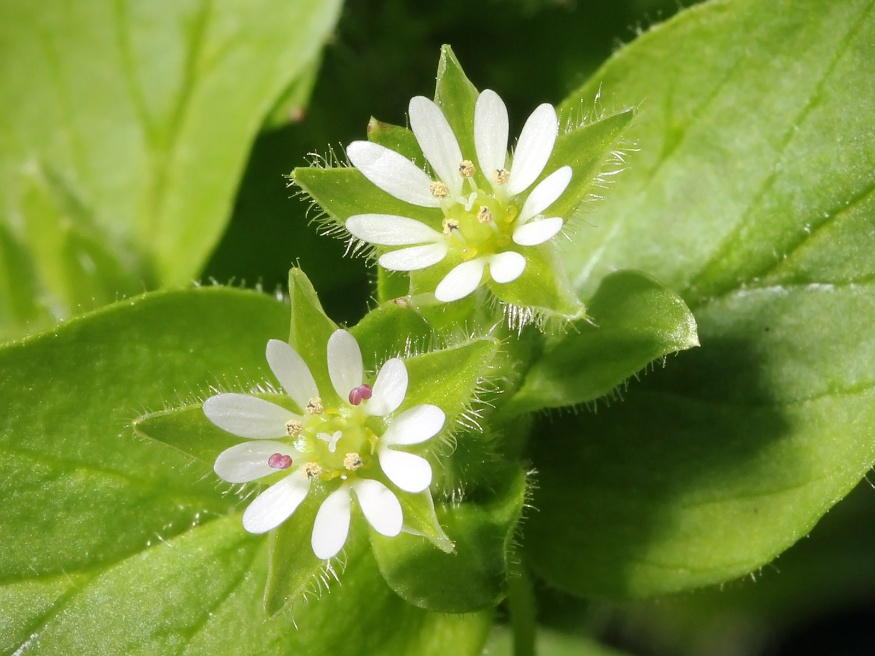
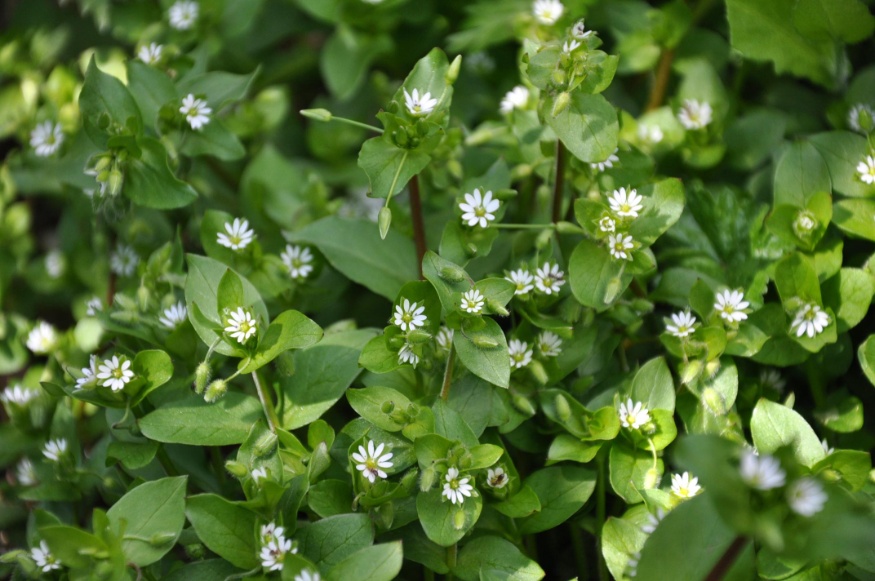
This plant forms low, spreading mats with slender stems and small, bright green leaves. Tiny white star-shaped flowers give the plant its botanical name, “Stellaria,” meaning star-like. Its soft texture and rapid growth make it both a valuable ground cover and a common garden weed.
Historically, chickweed has been used as both a food and a medicine. It has long been appreciated as a fresh green, eaten raw or lightly cooked. Its mild taste and high nutrient content make it a valuable addition to wild food diets.
Medicinally, chickweed is known for its cooling and soothing effects. It is commonly used to calm inflammation, particularly in the skin and digestive system. Fresh applications are especially valued, as the plant's moisture-rich tissues provide immediate relief. Though humble in appearance, chickweed remains one of the most accessible and versatile wild herbs.
Traditional Use
Folk Use
Chickweed has long been valued as both a food and a gentle medicinal herb. It is commonly eaten fresh in salads, offering a mild flavor and cooling effect on the body.
Traditionally, it has been used to soothe irritated skin, both internally and externally. Poultices and salves made from fresh chickweed are applied to rashes, minor wounds, and itching conditions.
Internally, it is used as a mild digestive aid and cooling herb, helping to reduce inflammation and support overall balance.
Chinese Medicine
Chickweed is not a classical Chinese herb but aligns with cooling, moistening plants that reduce heat and dryness, particularly in the skin and digestive system.
Special Chemistry
Contains saponins, flavonoids, and vitamins that contribute to its soothing and nutritive properties.
Signature
The soft, lush growth and high moisture content reflect its cooling and soothing nature, particularly for inflamed or irritated tissues.
Precautions
Generally safe, though excessive consumption may cause mild digestive upset in some individuals.
| Medicinal Species | Stellaria media |
|---|---|
| Tastes | sweet, bland |
| Organ Systems | digestive, integumentary (skin, hair, nails) |
| Thermal Nature | cool |
| Moisture | moistening |
| Parts Used | stems, leaves |
| Preparations | salve, tea/infusion, tincture, compress |
| Organs and Tissue | stomach, mucosa |
Growing Guide
Chickweed is an easy-to-grow annual that often establishes itself without assistance. It prefers cool, moist conditions and thrives in fertile soils, particularly in gardens and disturbed areas.
Seeds can be sown directly and germinate quickly. It grows rapidly and can form a dense mat, making it useful as a ground cover but also potentially weedy if unmanaged.
Partial shade is ideal in warmer climates, though it will tolerate full sun in cooler conditions. Regular harvesting encourages fresh, tender growth.