About This Plant
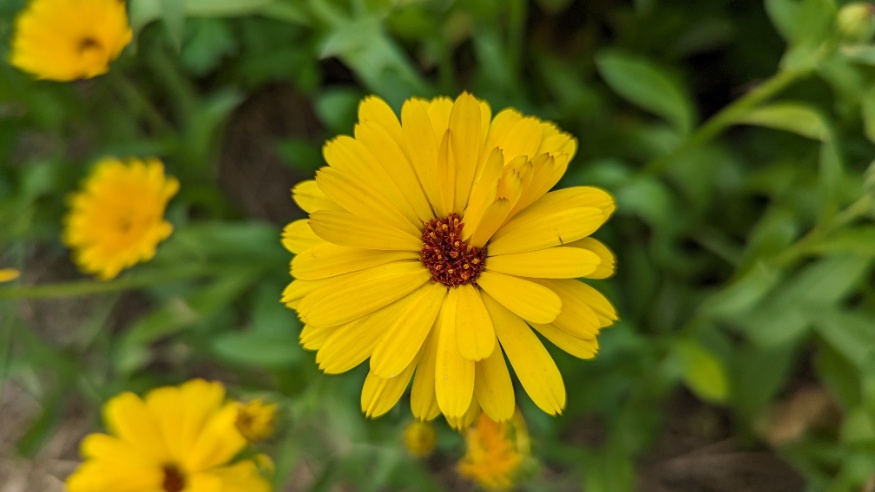
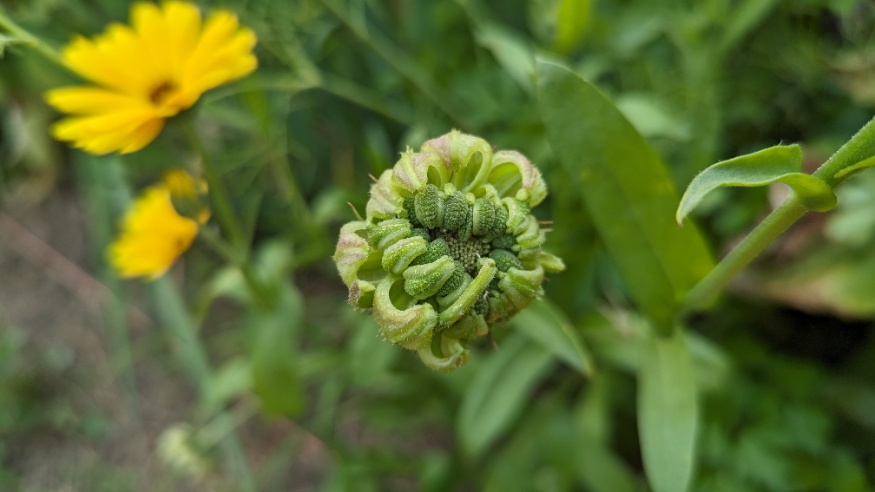
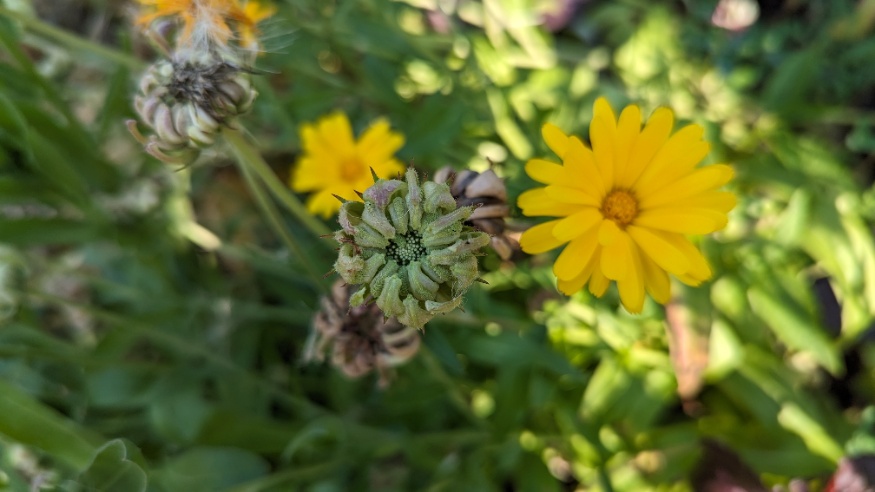
Calendula (Calendula officinalis) is a cheerful flowering herb widely grown in gardens for both its beauty and medicinal value. The plant forms compact clumps of bright green leaves topped by golden-orange blossoms that open in the sunlight. These daisy-like flowers appear continuously through the growing season, especially when harvested regularly.
Native to the Mediterranean region, calendula has become a beloved garden plant across much of the temperate world. It grows quickly from seed and thrives in sunny locations with well-drained soil. Because it tolerates cool weather, gardeners often sow it early in spring or allow it to self-seed for future seasons.
For centuries herbalists have valued calendula flowers for their soothing and restorative properties. The blossoms are commonly infused in oils or salves used to care for irritated or damaged skin. In addition to its medicinal uses, calendula petals are sometimes added to salads, teas, and other dishes, where they provide gentle flavor and vibrant color. With its bright flowers and long tradition of use, calendula remains one of the most recognizable and useful herbs in traditional gardens.
Traditional Use
Folk Use
Chinese Medicine
Combinations
Precautions
| Medicinal Species | Calendula officinalis |
|---|---|
| Tastes | bitter |
| Organ Systems | digestive, immune/lymphatic, integumentary (skin, hair, nails) |
| Thermal Nature | neutral |
| Moisture | moistening |
| Parts Used | flowers |
| Preparations | oil, salve, tea/infusion, tincture |