About This Plant
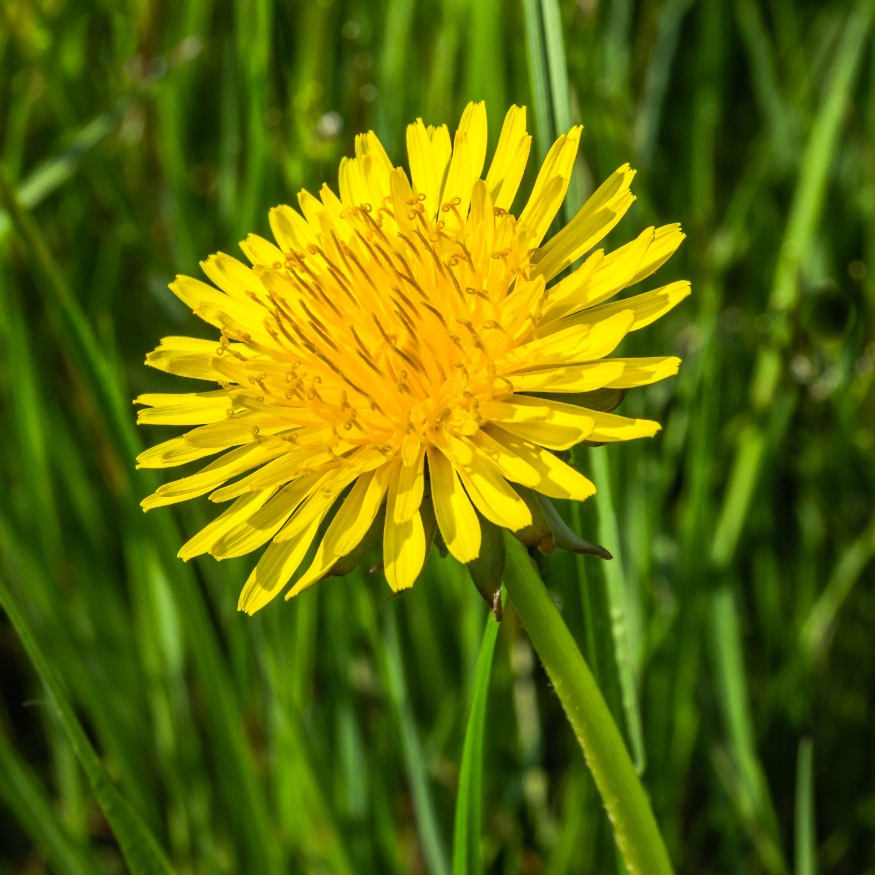
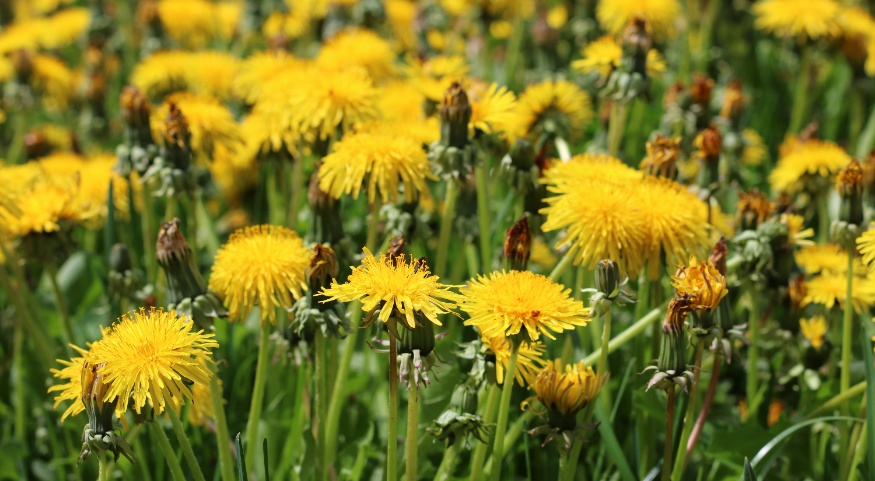
Dandelion is one of the most recognizable and widespread plants in the world, thriving in lawns, fields, and disturbed soils across temperate regions. Originally native to Europe and Asia, Taraxacum officinale has naturalized globally, becoming both a valued herb and a persistent garden companion. It grows readily in a wide range of conditions, often appearing where soil has been compacted or disturbed.
This plant forms a basal rosette of deeply toothed leaves, from which hollow stems rise bearing bright yellow flower heads. These flowers eventually transform into the familiar spherical seed heads that disperse easily by wind. Its deep taproot allows it to access nutrients far below the surface, contributing to its resilience and ecological role in improving soil structure.
Historically, dandelion has been used as both a food and a medicine. Leaves, roots, and flowers are all edible, offering a range of flavors from bitter to mildly sweet. It has long been included in traditional diets as a spring tonic plant.
Medicinally, dandelion is best known for its support of the liver and digestive system. Its bitter compounds stimulate digestive function, while its roots help support detoxification pathways. The leaves provide gentle diuretic action, making it a well-rounded and highly accessible herbal ally.
Traditional Use
Folk Use
Dandelion has been used for centuries as a primary detoxifying and digestive herb. Its bitter taste stimulates digestion, improves appetite, and supports liver function.
The leaves are often used as a diuretic, helping to support kidney function and fluid balance. Unlike many diuretics, it also provides minerals, making it nourishing rather than depleting.
The roots are used to support liver health and are often prepared as decoctions or roasted for use as a coffee substitute.
Chinese Medicine
In Chinese medicine, dandelion (Pu Gong Ying) is used to clear heat and toxins, particularly in the liver and stomach. It is often used for infections, inflammation, and abscesses.
Special Chemistry
Contains bitter compounds, inulin, and minerals that support digestion and liver function.
Signature
The deep taproot reflects its action of reaching into and cleansing deeper systems, particularly the liver and digestive organs.
Combinations
Often combined with Burdock and Yellow dock for liver and detox support.
Precautions
Generally safe, though those with bile duct obstruction should use caution.
| Medicinal Species | Taraxacum officinale |
|---|---|
| Tastes | bitter |
| Organ Systems | digestive, hepatobiliary (liver & gallbladder), urinary |
| Thermal Nature | cool |
| Moisture | drying |
| Parts Used | roots, leaves, flowers |
| Preparations | decoction, tea/infusion, tincture, vinegar |
| Organs and Tissue | stomach, liver, gallbladder, kidneys |
Growing Guide
Dandelion is extremely easy to grow and often requires little encouragement. Seeds can be sown directly and germinate readily in a wide range of conditions. It prefers full sun but tolerates partial shade.
This plant develops a deep taproot, making transplanting easier when young. It grows well in most soils, including compacted or poor soils, and is highly resilient once established.
Regular harvesting of leaves encourages new growth. If cultivating intentionally, allowing some plants to flower supports pollinators and seed production.