About This Plant
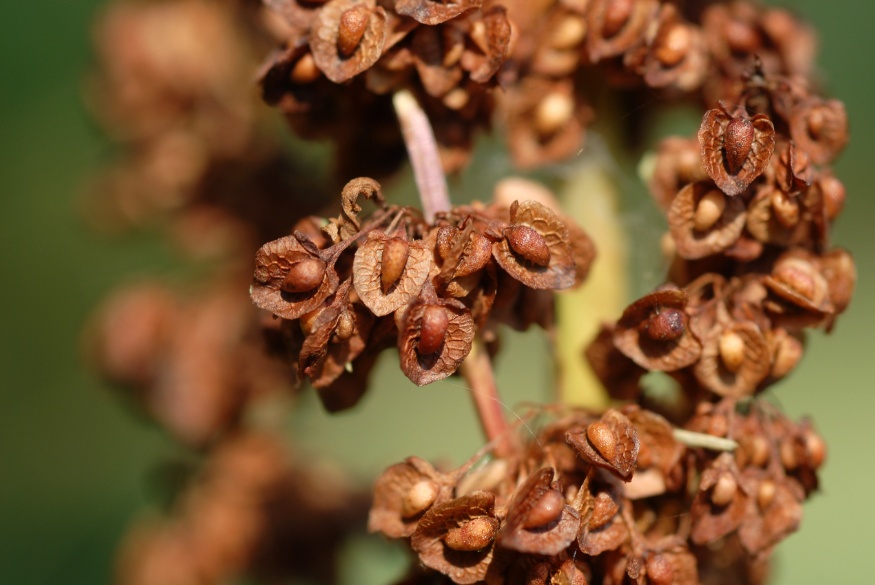
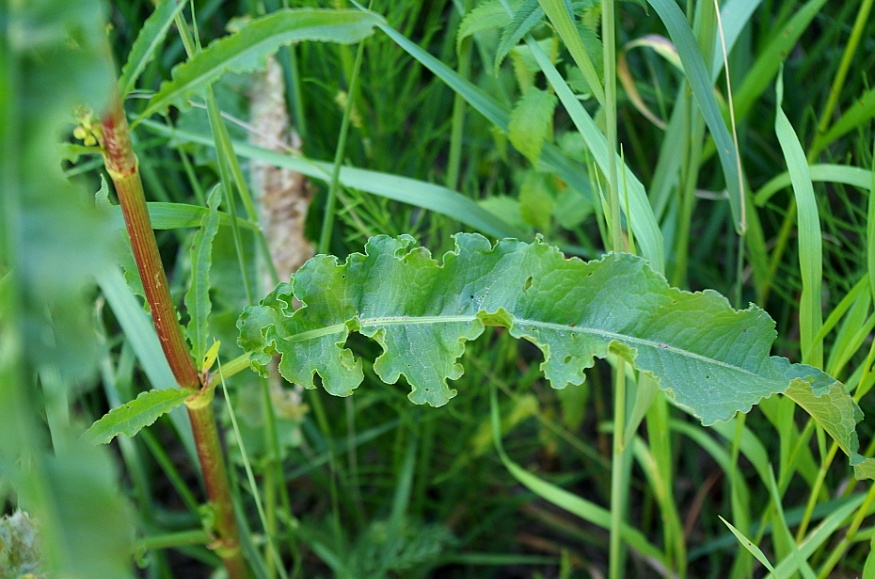
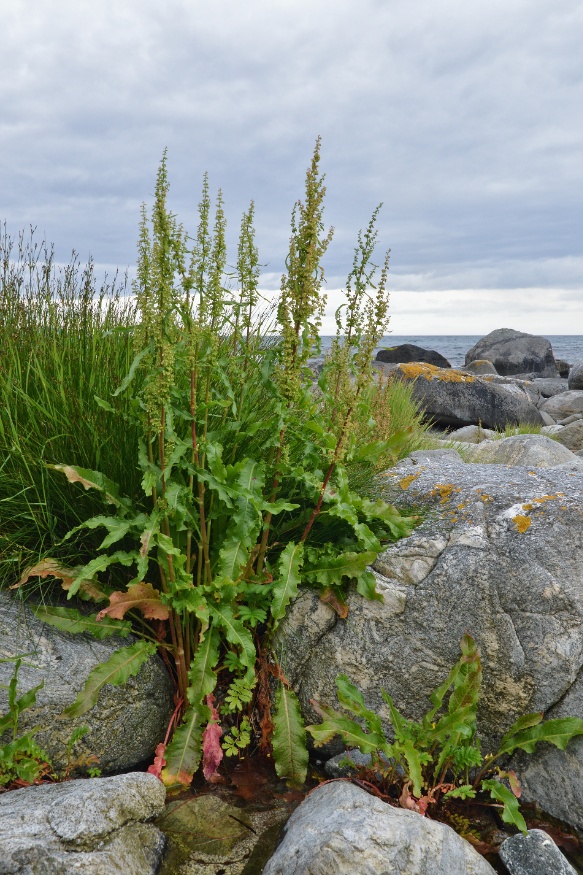
Yellow dock (Rumex crispus) is a common perennial herb recognized by its tall seed stalks and long, narrow leaves with distinctly wavy edges. The plant begins as a basal rosette before sending up a strong central stem that can reach several feet in height. As it matures, clusters of green flowers develop and eventually turn into rusty brown seed heads that persist through the seasons.
It is often found growing in disturbed soils, along roadsides, and in open fields, where it establishes easily and spreads by seed. The plant's deep taproot allows it to access nutrients from deeper layers of soil, contributing to its resilience and persistence in a variety of environments.
Yellow dock has a long history in herbal traditions as a bitter root used to support digestion and overall metabolic health. The leaves have also been used as a wild food when young, though their flavor becomes more bitter with age. With its distinctive form and widespread presence, yellow dock is both a familiar wild plant and a valued medicinal herb.
Traditional Use
Folk Use
Chinese Medicine
Combinations
Precautions
| Medicinal Species | Rumex crispus |
|---|---|
| Tastes | bitter, astringent |
| Organ Systems | digestive, hepatobiliary (liver & gallbladder), integumentary (skin, hair, nails) |
| Thermal Nature | cool |
| Moisture | drying |
| Parts Used | roots, leaves |
| Preparations | decoction, tea/infusion, tincture |
| Organs and Tissue | liver, blood |