About This Plant
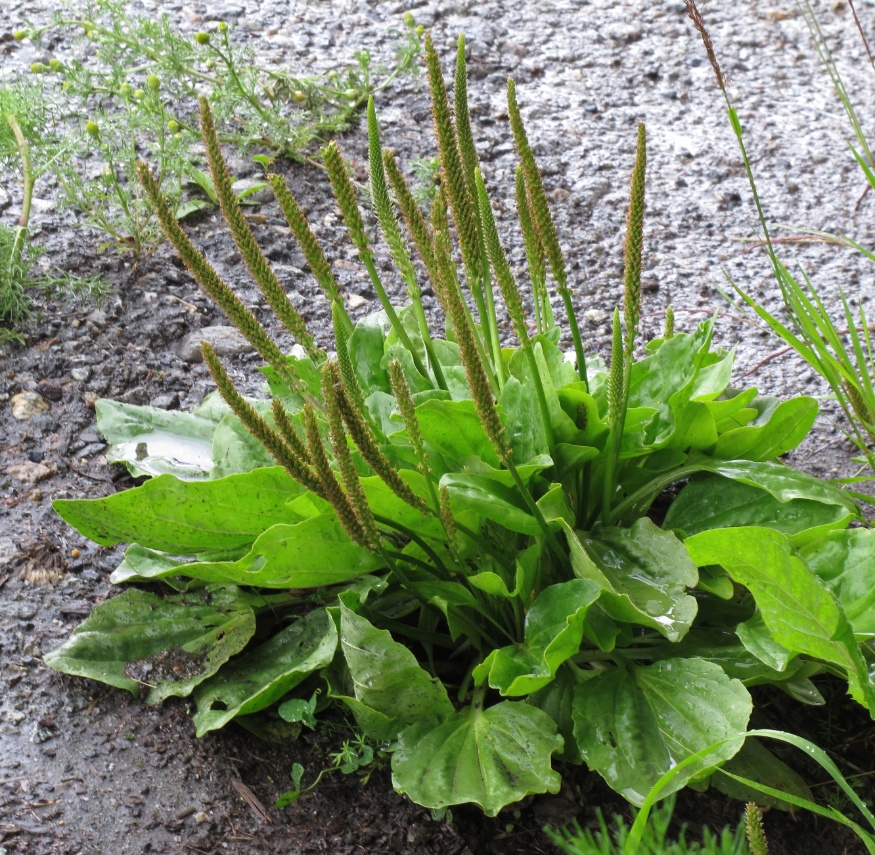
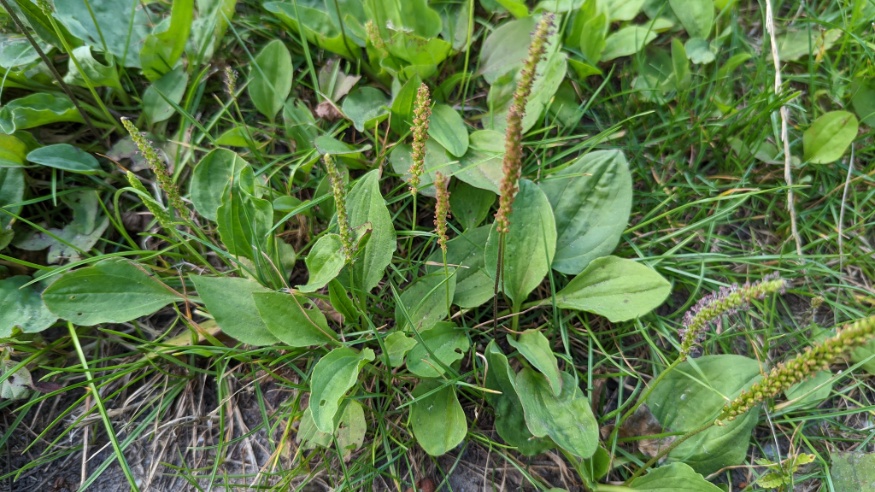
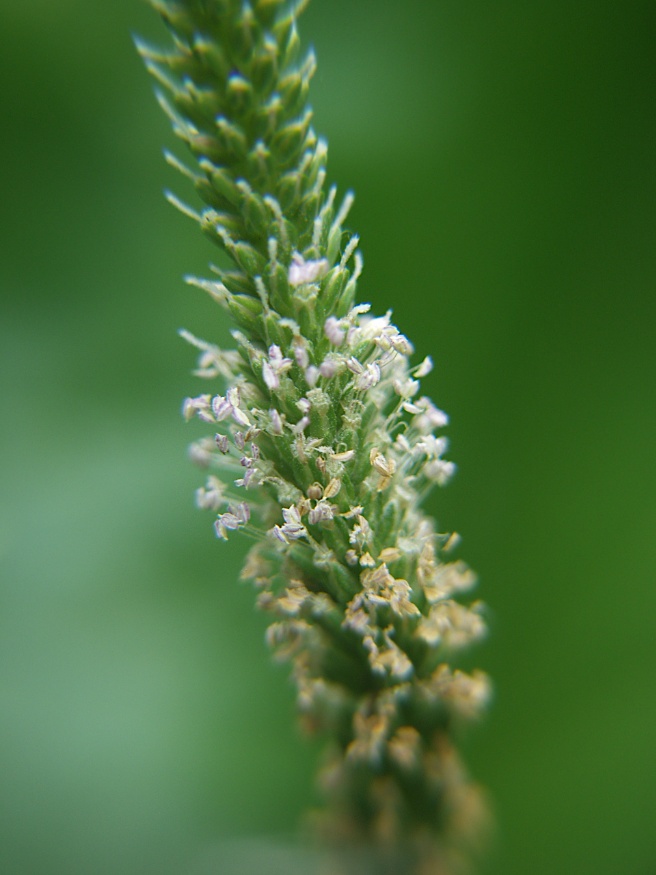
Plantain (Plantago spp.) is a hardy herbaceous plant commonly found in lawns, trails, roadsides, and other disturbed areas across temperate regions. It thrives in compacted soils where other plants may struggle, making it a frequent companion in human-influenced landscapes. The plant forms a basal rosette of broad or narrow leaves depending on the species, with tall, slender flower stalks that rise above the foliage and bear small, inconspicuous flowers.
It is widely distributed across Europe, Asia, and North America, and several species have become naturalized globally. Identification is relatively straightforward due to its parallel-veined leaves and upright seed spikes. The seeds are small and numerous, aiding in its effective dispersal and persistence in a variety of environments.
Historically, plantain has been used in both folk and traditional medicine systems for centuries. It is valued for its accessibility and reliability as a general-purpose medicinal plant. Many cultures have recognized its usefulness as a first-response remedy in the field.
Medicinally, both the leaves and seeds are used. The leaves are commonly applied externally as poultices or infused into teas for soothing irritation, while the seeds are used internally for their demulcent and regulatory effects on the digestive and urinary systems. Its gentle yet effective nature makes it one of the most widely recognized medicinal weeds.
Traditional Use
Folk Use
Plantain (Plantago spp.), including common species such as Plantago major and Plantago lanceolata, has a long history of use as a versatile household remedy. Traditionally, the fresh leaves are applied as poultices to soothe cuts, insect bites, and minor skin irritations. It has often been referred to as a “first aid” plant due to its accessibility and immediate soothing effects. The seeds have also been used historically as a gentle digestive aid and for their mucilaginous properties.
Chinese Medicine
In Traditional Chinese Medicine, plantain seeds (known as Che Qian Zi) are used to promote urination, clear damp-heat, and support kidney and bladder function. They are commonly used in formulas addressing urinary issues, edema, and damp accumulation. The herb is considered cooling and is often combined with other herbs to enhance its diuretic and heat-clearing actions.
Special Chemistry
Plantain contains mucilage, iridoid glycosides (such as aucubin), flavonoids, and tannins. These constituents contribute to its soothing, anti-inflammatory, and astringent effects. The mucilage is especially notable for coating and calming irritated tissues, both internally and externally.
Signature
The broad, low-lying leaves of plantain, which often grow close to disturbed paths and compacted soil, reflect its resilience and association with healing wounds and disturbed environments. Its ability to thrive under pressure parallels its traditional use for soothing irritation and restoring balance.
Combinations
Plantain is often combined with herbs such as calendula or chamomile for skin applications, or with demulcent herbs like marshmallow for digestive and mucosal support. In urinary formulas, it may be paired with diuretic herbs to enhance elimination and cooling effects.
Precautions
Plantain is generally considered very safe with few known adverse effects. Individuals with allergies to related species should exercise caution. As with any herb used medicinally, proper identification of species and quality of material is important.
| Medicinal Species | Plantago major, Plantago lanceolata |
|---|---|
| Tastes | bitter, astringent, bland |
| Organ Systems | digestive, respiratory, immune/lymphatic, integumentary (skin, hair, nails) |
| Thermal Nature | cool |
| Moisture | moistening |
| Parts Used | leaves, seeds |
| Preparations | salve, tea/infusion, tincture, wash, syrup, compress |
| Organs and Tissue | lungs, large intestine, mucosa |