About This Plant
Japanese knotweed (Reynoutria japonica, formerly Polygonum cuspidatum) is a large herbaceous perennial in the buckwheat family (Polygonaceae) that is both one of the world's most invasive plants and one of its most respected medicinal herbs. Native to Japan, China, Korea and parts of eastern Russia, it was introduced to Europe and North America during the nineteenth century as an ornamental garden plant and for erosion control. Its bamboo-like stems, rapid growth and attractive sprays of creamy-white flowers made it a popular landscape species before its remarkable ability to spread became fully appreciated. Today it is recognized as a highly invasive plant throughout much of North America and Europe, yet it remains an exceptionally valuable medicinal resource when harvested responsibly from established populations.
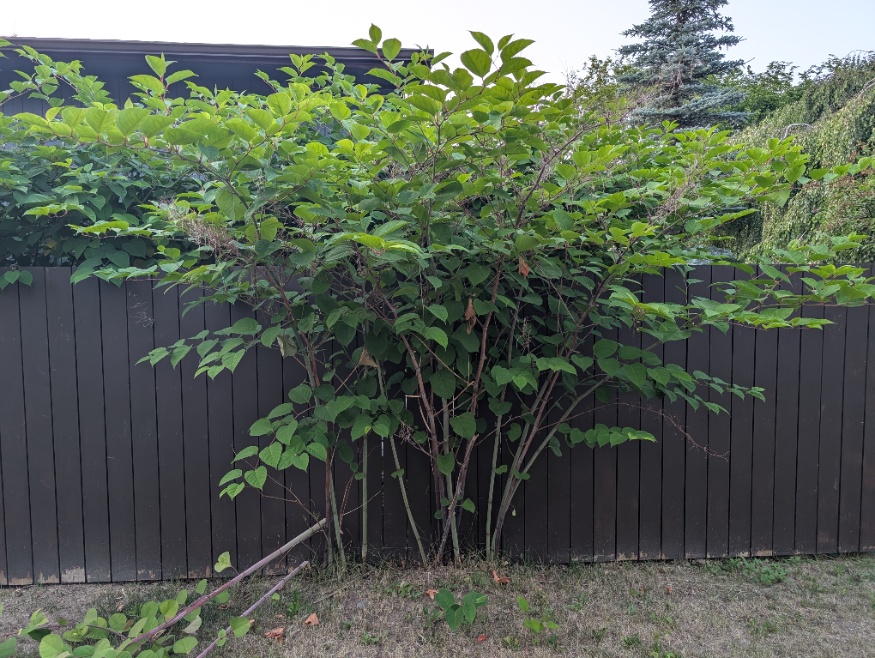
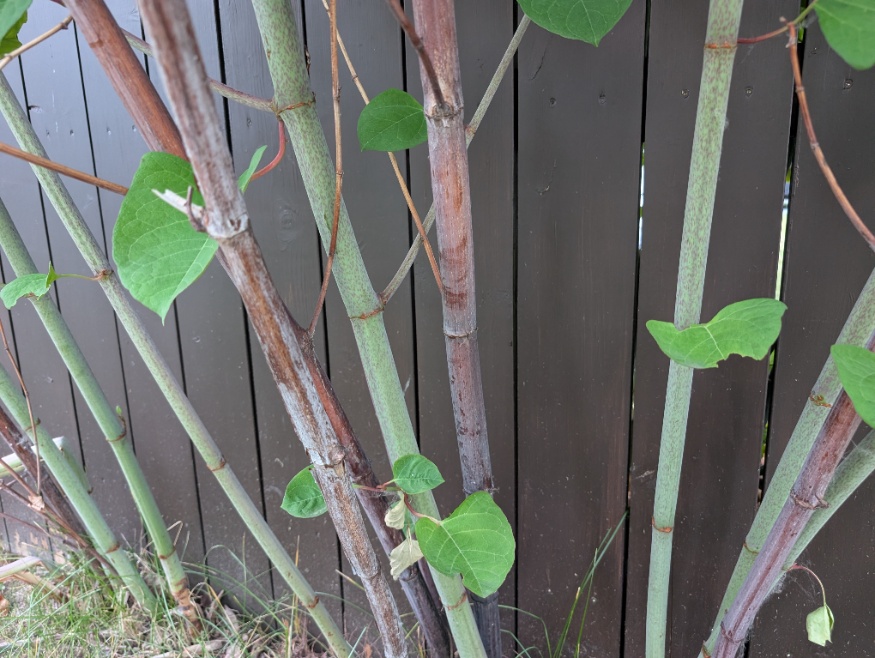
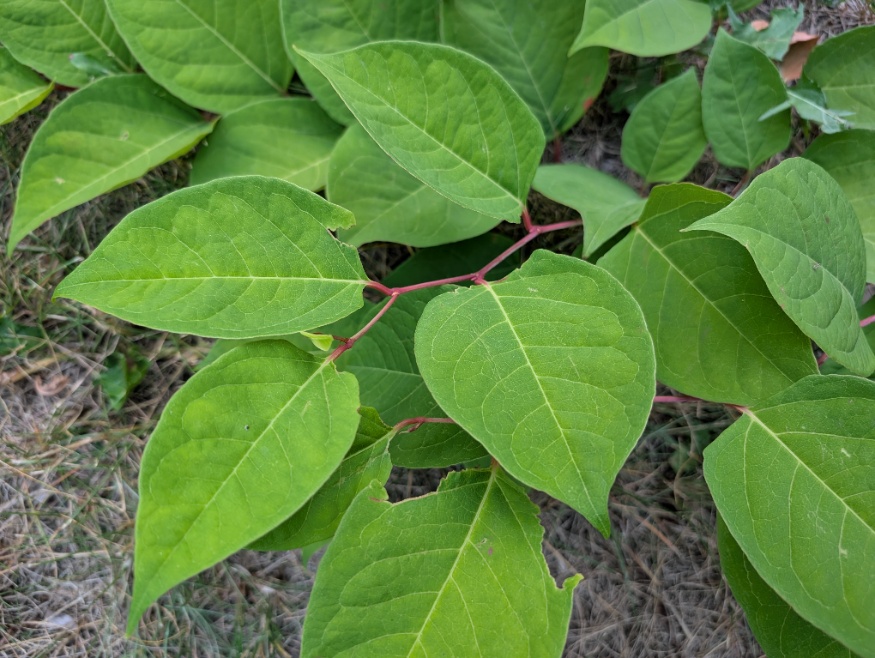
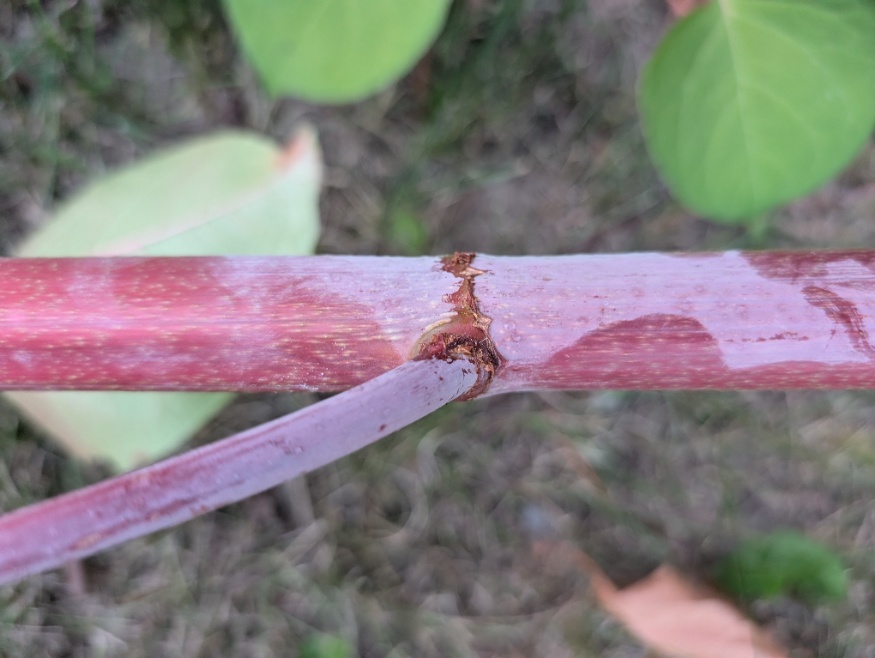
Japanese knotweed thrives in disturbed habitats including roadsides, riverbanks, abandoned lots, railway embankments, forest edges and stream corridors. It spreads primarily through an extensive underground rhizome network rather than by seed, allowing it to quickly form dense colonies that exclude most surrounding vegetation. Hollow green stems marked with reddish-purple nodes resemble bamboo, although the plant is not related to true bamboo. Broad, triangular to heart-shaped leaves are arranged alternately along the stems, while late summer brings large clusters of small creamy-white flowers that provide an important nectar source for bees and other pollinating insects. The plant dies back each winter, but the rhizomes remain alive beneath the soil and rapidly produce vigorous new shoots each spring.
Despite its reputation as an ecological challenge, Japanese knotweed has a long and distinguished medicinal history. In Traditional Chinese Medicine it is known as Hu Zhang and has been used for centuries to invigorate Blood, clear Heat, resolve Damp-Heat and support healthy circulation. Throughout East Asia, the young spring shoots have also been enjoyed as a seasonal vegetable, valued for their pleasantly tart flavour that resembles rhubarb. Modern scientific research has renewed worldwide interest in the species after identifying extraordinarily high concentrations of resveratrol, polydatin and other beneficial polyphenols within its roots. These discoveries have made Japanese knotweed one of the most widely studied medicinal plants for cardiovascular health, healthy inflammatory responses and antioxidant activity.
In Western herbalism, Japanese knotweed has become especially important for supporting healthy circulation, connective tissue, immune function and inflammatory balance. It is frequently included in protocols intended to promote joint comfort and cardiovascular wellness while providing broad antioxidant support. The roots are most commonly prepared as decoctions, tinctures and concentrated extracts. Because harvesting mature rhizomes weakens invasive colonies, responsible wild harvesting can provide both medicinal material and ecological benefit. Care must be taken, however, to avoid spreading rhizome fragments during collection, as even very small pieces are capable of producing entirely new plants. Few medicinal herbs better illustrate how a species can simultaneously present significant ecological challenges while offering remarkable value within traditional and modern herbal medicine.
Traditional Use
Folk Use
Japanese knotweed has been used for centuries throughout China, Japan and Korea as both a medicinal herb and seasonal food. The young spring shoots, harvested while still tender, possess a pleasantly tart flavour resembling rhubarb and have traditionally been cooked, pickled or added to soups. Rich in vitamin C and various polyphenols, the shoots became an important seasonal vegetable following the long winter months.
In traditional East Asian herbal practice, the root was regarded as a valuable cleansing herb that supported healthy circulation, promoted normal elimination and cooled excess internal heat. Decoctions were commonly prepared for inflammatory conditions, digestive disturbances and various skin disorders. The herb also developed a reputation for assisting recovery following injury by supporting healthy blood movement. These traditional applications later attracted the attention of Western herbalists interested in its exceptionally high concentration of antioxidant compounds.
Modern Western herbal medicine has embraced Japanese knotweed primarily because it is one of nature's richest sources of resveratrol. It is now frequently incorporated into formulas supporting cardiovascular health, healthy inflammatory responses and immune function. Herbalists also include it in protocols aimed at maintaining connective tissue and healthy microbial balance. Because the plant is abundant across much of North America, harvesting invasive populations has become an environmentally beneficial way to obtain medicinal roots while helping reduce the spread of one of the continent's most problematic invasive plants.
Chinese Medicine
Japanese knotweed (Hu Zhang, 虎杈) is a well-established herb in Traditional Chinese Medicine with a history of use spanning well over a thousand years. It is classified as bitter in taste and slightly cold in nature, entering the Liver, Gallbladder and Lung channels. Traditionally, it is used to invigorate the Blood, dispel Blood Stasis, clear Heat, resolve Damp-Heat, relieve toxicity and stop cough. Unlike many Western herbs that were later interpreted through TCM theory, Japanese knotweed has an extensive classical record and remains an official herb within the Chinese Materia Medica.
Hu Zhang is commonly prescribed when Blood Stasis contributes to pain, traumatic injury or menstrual irregularities, and when Damp-Heat affects the Liver, Gallbladder or lower burner. It has also traditionally been used for jaundice, hepatitis, urinary difficulty, certain skin disorders and cough associated with Lung Heat. Because it both moves Blood and clears Heat, it occupies an important place in formulas intended to resolve inflammation while supporting healthy circulation.
Modern research has strengthened interest in Hu Zhang because of its high concentration of resveratrol and related polyphenols. Contemporary TCM practitioners sometimes integrate the herb into protocols supporting cardiovascular health, healthy inflammatory responses and immune regulation. Although many Western herbalists know Japanese knotweed primarily as a source of resveratrol, its traditional Chinese use is considerably broader and reflects centuries of clinical experience treating patterns of Heat, Dampness and Blood Stasis.
Special Chemistry
Japanese knotweed is one of the richest known botanical sources of trans-resveratrol, a polyphenol that has attracted significant scientific interest for its antioxidant activity. The roots also contain emodin, physcion, polydatin (piceid), anthraquinones, flavonoids, stilbenes and numerous phenolic compounds. Polydatin, the natural glycoside form of resveratrol, is particularly abundant and may possess distinct biological properties. The combination of these constituents contributes to the plant's traditional use for supporting circulation, inflammatory balance and healthy immune function.
Signature
The powerful underground rhizome system spreads widely while remaining largely hidden beneath the soil, reflecting the herb's traditional role in reaching deeply rooted patterns of stagnation within the body. Each spring the vigorous shoots rapidly regenerate after winter dormancy, symbolizing resilience, restoration and renewed vitality. The plant's remarkable persistence has led many herbalists to associate it with strengthening the body's ability to recover from chronic stress and long-standing imbalance.
Combinations
Japanese knotweed combines well with Elderberry, Echinacea and Goldenseal in immune-supporting formulas. For circulatory and antioxidant support it is frequently paired with Hawthorns. Western herbalists also combine it with Stinging Nettle or Yarrow in formulas intended to support healthy inflammatory responses and tissue recovery. Within Traditional Chinese Medicine, Hu Zhang is rarely used alone and instead forms part of multi-herb prescriptions tailored to the individual's pattern.
Precautions
Japanese knotweed is generally well tolerated when used appropriately, but excessive doses may produce loose stools or digestive discomfort because of its anthraquinone content. Individuals taking anticoagulant or antiplatelet medications should consult a qualified healthcare professional before using concentrated extracts due to the herb's potential effects on circulation. Safety during pregnancy and breastfeeding has not been firmly established, and medicinal use is generally avoided unless supervised by an experienced practitioner. When harvesting from the wild, avoid areas contaminated by roadside pollutants, industrial runoff or herbicide applications. Great care should also be taken not to spread viable rhizome fragments during collection, as even small pieces are capable of establishing new invasive colonies.
| Medicinal Species | Reynoutria japonica (syn. Polygonum cuspidatum), Reynoutria sachalinensis, Reynoutria × bohemica |
|---|---|
| Tastes | bitter, sour |
| Organ Systems | circulatory, digestive, hepatobiliary (liver & gallbladder), respiratory, immune/lymphatic, integumentary (skin, hair, nails) |
| Thermal Nature | cool |
| Moisture | drying |
| Parts Used | roots, early shoots, leaves |
| Preparations | decoction, extract, tea/infusion, tincture, powder |
| Organs and Tissue | lungs, stomach, liver, muscle & connective tissue, blood |
Growing Guide
Japanese knotweed is an exceptionally vigorous perennial that spreads primarily through underground rhizomes rather than seed. Even very small root fragments are capable of producing entirely new plants, making intentional cultivation inappropriate in many regions where the species is considered invasive. Before planting, gardeners should verify local regulations, as cultivation or transportation is prohibited in some jurisdictions. For medicinal use, harvesting from established wild populations is generally preferable to introducing the plant into new locations.
If grown where legally permitted, Japanese knotweed thrives in full sun but tolerates partial shade. It grows in a wide variety of soils ranging from fertile garden loam to gravel, clay and riverbanks, provided adequate moisture is available during establishment. Once mature, the extensive rhizome system makes the plant remarkably resilient to drought, flooding and physical disturbance. It commonly colonizes roadsides, streambanks, abandoned lots and other disturbed habitats.
Seeds require approximately 60–90 days of cold moist stratification, although vegetative spread through rhizomes is by far the dominant means of reproduction. Extreme care should be taken whenever digging or dividing plants, as broken rhizome fragments readily regenerate. Medicinal roots are generally harvested from mature stands during autumn after the aerial growth begins dying back. Young spring shoots may also be collected for food before they become fibrous. Anyone cultivating this species should install deep rhizome barriers and continually monitor surrounding ground for escaping shoots. In most situations, harvesting existing invasive populations provides the greatest ecological benefit while supplying abundant medicinal material.