About This Plant
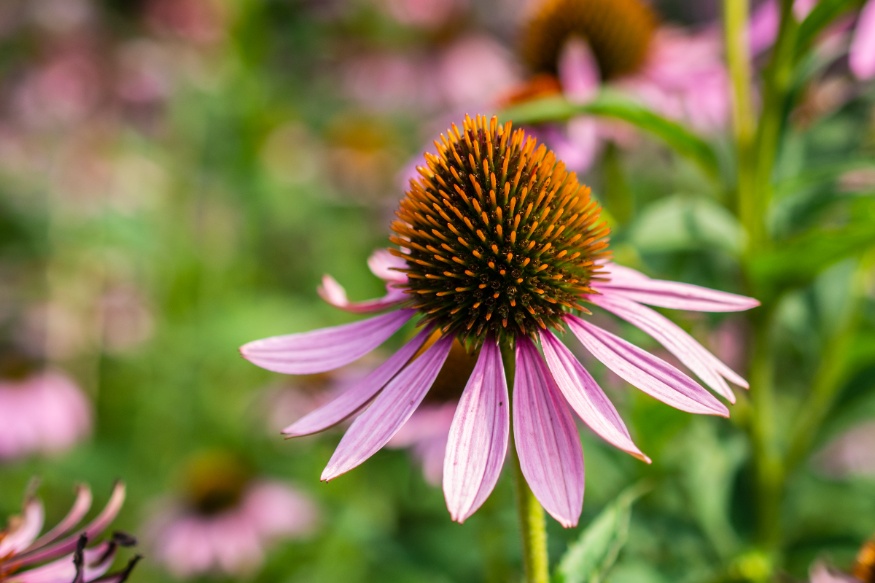
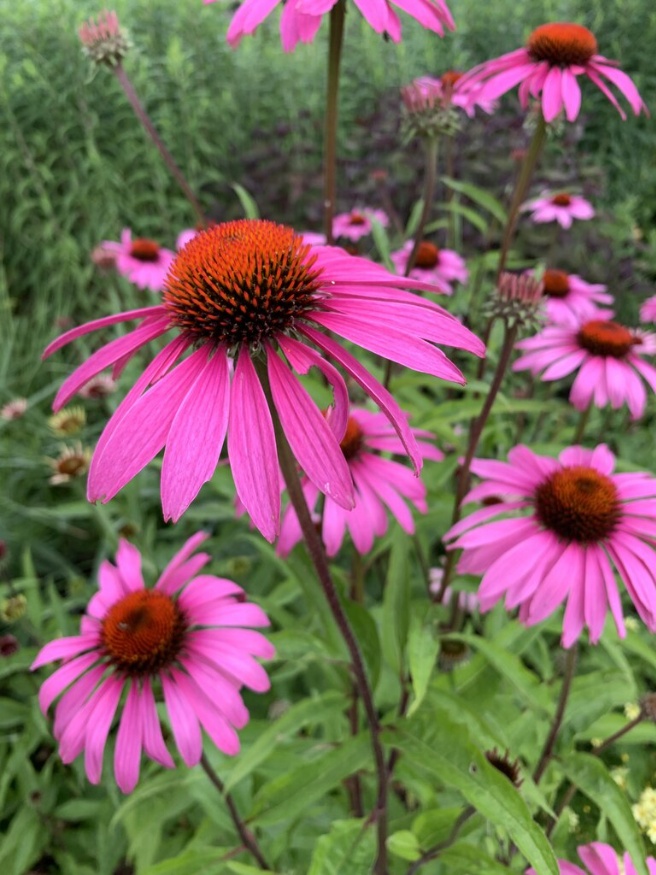
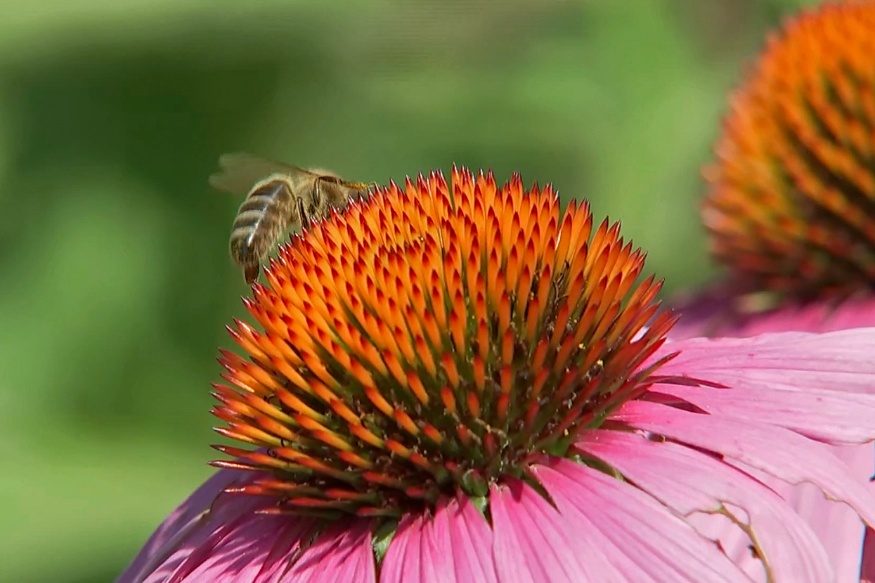
Echinacea or "Purple Cone Flower" is an attractive perennial flower, native to eastern and central North America. It's widely cultivated as an ornamental for the garden or for use as a medicinal plant, for which is has a long history.
Traditional Use
Folk Use
Echinacea has a long history of use among Indigenous peoples of North America. It was traditionally used to support the body during infections, treat wounds, and relieve toothaches or throat irritation. Preparations of the root and flowers were widely used to stimulate the body's natural defenses.
Chinese Medicine
Echinacea is not a traditional Chinese herb, but in modern integrative practice it is often viewed as supporting the Wei Qi (defensive energy) and helping the body respond to external pathogens.
Combinations
Commonly combined with elderberry, yarrow, or goldenseal for immune support. It may also be paired with ginger or peppermint in warming or soothing herbal blends.
Precautions
Generally safe for short-term use. Long-term continuous use is not always recommended. Individuals with autoimmune conditions should consult a practitioner.
| Medicinal Species | Echinacea purpurea, Echinacea angustifolia, Echinacea pallida |
|---|---|
| Tastes | bitter, sweet |
| Organ Systems | immune/lymphatic, integumentary (skin, hair, nails) |
| Thermal Nature | cool |
| Moisture | drying |
| Parts Used | roots, flowers |
| Preparations | extract, tea/infusion, tincture |
| Organs and Tissue | blood |
Growing Guide
Echinacea grows best in full sun with well-drained soil. Seeds benefit from cold stratification before germination. Once established, plants are drought tolerant and require minimal maintenance. Dividing mature clumps every few years helps maintain vigor.