About This Plant
Codonopsis (Codonopsis spp.) is a group of perennial climbing plants in the bellflower family (Campanulaceae), best known for producing one of the most highly regarded tonic roots in Traditional Chinese Medicine. The principal medicinal species, Codonopsis pilosula, is commonly known as Dang Shen and has earned the nickname "Poor Man's Ginseng" because it offers many of the nourishing qualities associated with true ginseng while being gentler, more affordable and suitable for long-term use. Closely related medicinal species such as Codonopsis tangshen and Codonopsis lanceolata are also employed in regional herbal traditions throughout Asia. Native to the cool mountainous regions of China, Korea and neighbouring countries, these graceful vines have become valued worldwide by herbalists seeking restorative tonic herbs that support energy, digestion and resilience.
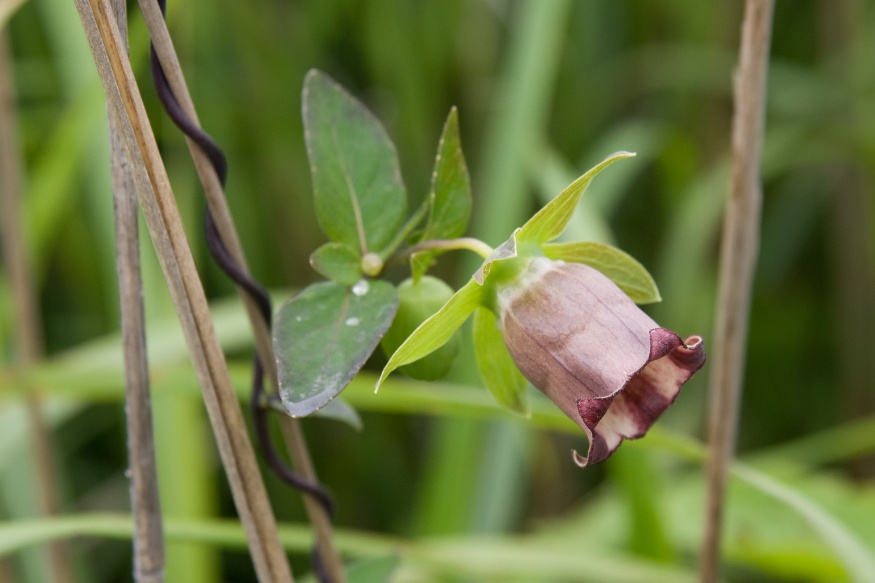
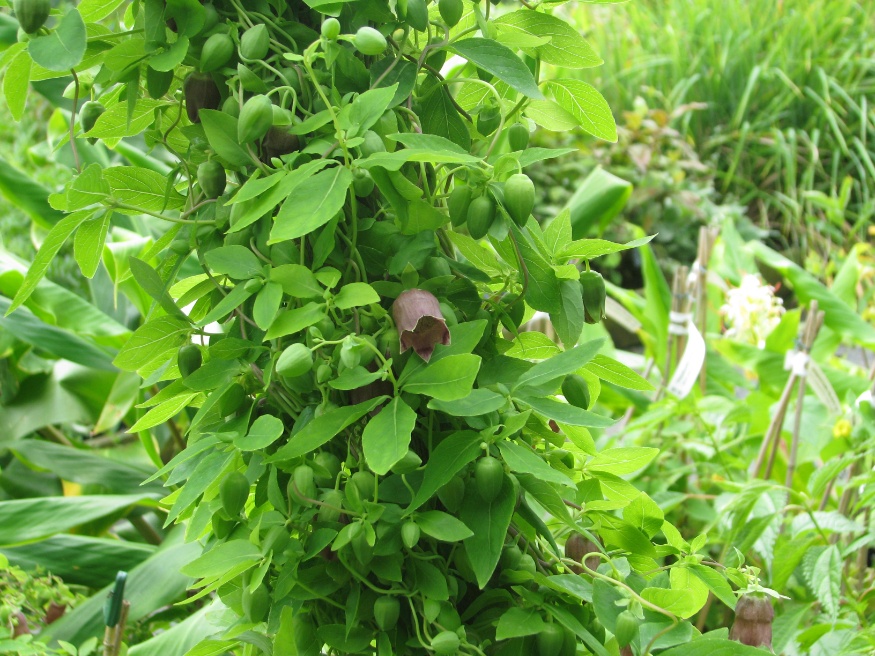
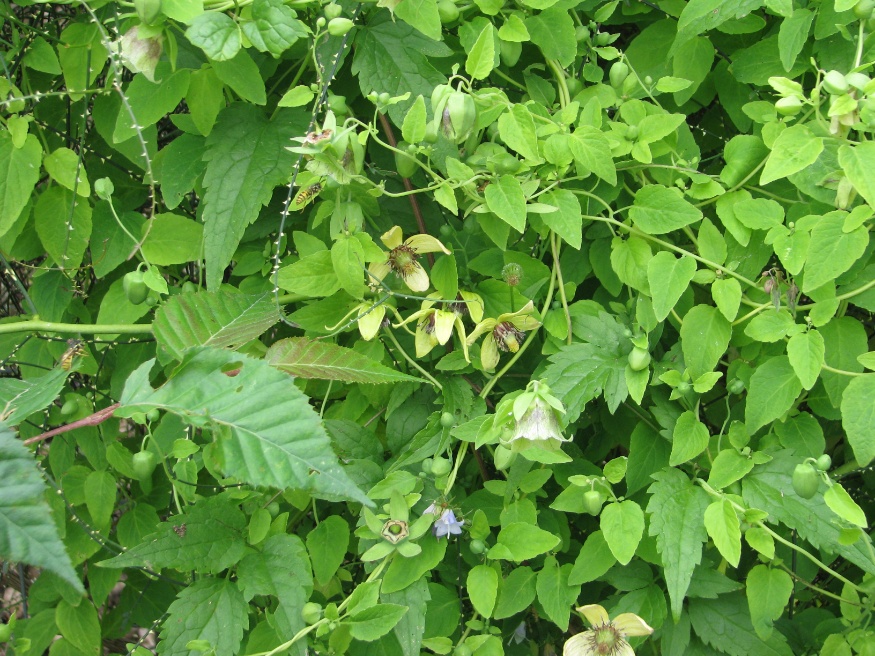
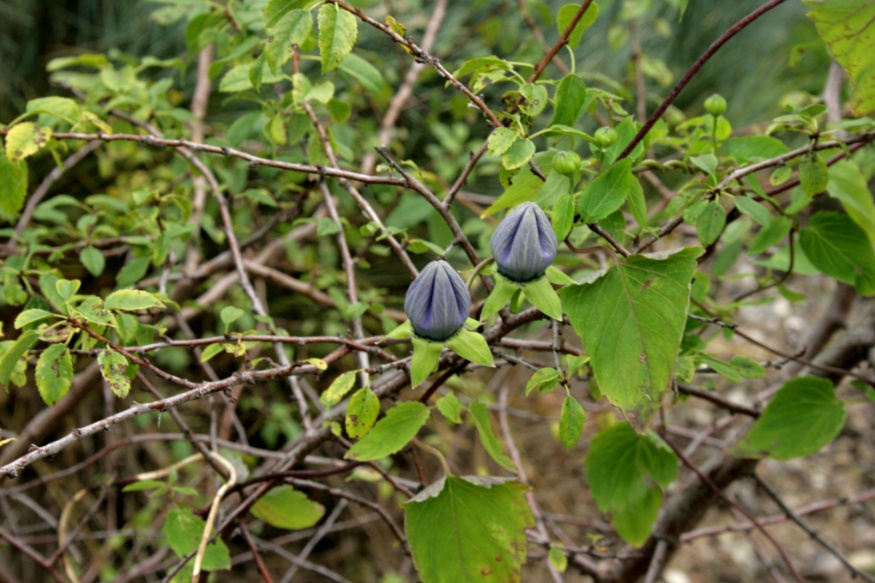
In their natural habitat, Codonopsis species climb through woodland margins, shrubby hillsides and mountain meadows where rich, well-drained soils remain consistently moist without becoming waterlogged. Slender twining stems bear soft green leaves and delicate nodding bell-shaped flowers displaying attractive greenish-yellow petals marked with purple or maroon inside. Beneath the soil develops the long, fleshy taproot that is harvested after several years of growth for medicinal use. Although the vine appears relatively modest above ground, generations of herbalists have prized the slowly developing root as one of East Asia's premier strengthening remedies.
For centuries, Dang Shen has occupied an important position within Traditional Chinese Medicine as a classic Qi tonic. It has traditionally been prescribed to strengthen the Spleen and Lungs, improve appetite, support digestion, encourage the production of Blood and restore vitality following prolonged illness or exhaustion. Unlike Asian ginseng, which is often reserved for more pronounced deficiency patterns, Codonopsis is appreciated for providing steady nourishment without excessive stimulation. Its mild flavour has also allowed the sliced root to be incorporated into soups, broths and congee, making it a classic example of food and medicine working together.
Modern Western herbalists continue to embrace Codonopsis as one of the gentlest adaptogenic herbs available. The root is frequently prepared as decoctions, tinctures, powders and standardized extracts intended to support healthy immune function, digestive resilience and sustained energy. It combines particularly well with herbs such as Astragalus, Licorice and American Ginseng in restorative formulas. Combining a rich history, exceptional safety profile and broad traditional use, Codonopsis remains one of the world's finest tonic herbs for supporting long-term health and vitality.
Traditional Use
Folk Use
Codonopsis has been treasured throughout China for centuries as a nourishing tonic herb and eventually became known in the West as "Poor Man's Ginseng" because it offers many supportive benefits while being considerably milder and more affordable than true ginseng. The medicinal root has traditionally been used to restore vitality following illness, support digestion, strengthen the body during periods of fatigue and encourage healthy immune function. Unlike stronger stimulating adaptogens, Codonopsis is generally regarded as gentle enough for prolonged use.
In traditional Chinese households, slices of the dried root have frequently been simmered in soups, broths and congee, allowing the herb to function as both food and medicine. Herbalists valued its ability to improve appetite, strengthen digestion and assist recovery from chronic weakness without creating excessive stimulation. It also became a popular addition to formulas intended to support healthy lung function and relieve tiredness associated with prolonged illness.
Modern Western herbalists continue to appreciate Codonopsis as one of the gentlest adaptogenic herbs available. It is commonly recommended for individuals seeking gradual support for energy, digestion and immune resilience, particularly when true ginseng would be unnecessarily stimulating. Although often compared with Asian ginseng, Codonopsis possesses its own distinctive character and has earned an important place in both traditional and contemporary herbal medicine.
Chinese Medicine
Codonopsis, particularly Codonopsis pilosula, 党参 (Dang Shen), is one of the most respected tonic herbs in Traditional Chinese Medicine. It is sweet in taste and neutral in nature, entering the Spleen and Lung channels. Traditionally, Dang Shen is used to tonify Spleen Qi, nourish Lung Qi, generate body fluids and support the production of Blood. Although gentler than Asian ginseng (Panax ginseng), it is frequently selected when long-term nourishment is desired or when a milder tonic is more appropriate for the individual's constitution.
Dang Shen is commonly prescribed for fatigue, poor appetite, loose stools, shortness of breath, spontaneous sweating and general weakness associated with Spleen and Lung Qi deficiency. By strengthening the Spleen's ability to transform food into Qi and Blood, it supports healthy digestion while improving overall vitality. It is also valued during recovery following prolonged illness and is often included in formulas intended to restore energy without excessive stimulation. Because it helps generate body fluids, it is traditionally used when Qi deficiency is accompanied by thirst or dryness.
Unlike many tonic herbs that are taken alone, Dang Shen is most frequently prescribed as part of balanced herbal formulas. It often serves as a substitute for ginseng in situations where a gentler, more economical herb is appropriate. Modern TCM practitioners continue to regard Codonopsis as one of the foundational Qi tonics, making it among the most widely used medicinal roots in contemporary Chinese herbal practice.
Special Chemistry
Codonopsis roots contain triterpenoid saponins, polysaccharides, alkaloids, polyacetylenes, flavonoids, phenylpropanoids and essential amino acids. The polysaccharides have received considerable scientific attention for their ability to support healthy immune function, while saponins contribute to the plant's adaptogenic reputation. The root also contains trace minerals, sterols and antioxidant compounds that collectively support its traditional use as a restorative tonic.
Signature
The long, tapering root resembles the human body, reflecting its traditional role in restoring vitality and strengthening the whole person rather than targeting a single organ. Its vigorous climbing vine suggests steady upward growth and resilience, while the deep-rooted perennial nature symbolizes the cultivation of lasting energy, endurance and internal reserves rather than quick stimulation.
Combinations
Codonopsis combines exceptionally well with Astragalus for supporting Qi and immune function. It is traditionally paired with Licorice to harmonize formulas and strengthen digestion, and with American Ginseng or Asian Ginseng when deeper constitutional support is required. Western herbalists also combine it with Echinacea and Stinging Nettle in restorative formulas intended to support recovery and resilience.
Precautions
Codonopsis is considered one of the safest adaptogenic herbs and is generally well tolerated when used appropriately. Mild digestive upset may occasionally occur when large amounts are introduced too quickly. In Traditional Chinese Medicine it is usually avoided during acute external infections or when significant excess patterns are present until those conditions have resolved. Individuals taking prescription medications for serious medical conditions, including immune-modulating therapies, should consult a qualified healthcare practitioner before prolonged medicinal use. As with all tonic herbs, Codonopsis is most effective when combined with adequate rest, nourishing food and a healthy lifestyle.
| Medicinal Species | Codonopsis pilosula (primary), Codonopsis tangshen, Codonopsis lanceolata |
|---|---|
| Tastes | sweet |
| Organ Systems | circulatory, digestive, respiratory, immune/lymphatic, endocrine |
| Thermal Nature | neutral |
| Moisture | moistening |
| Parts Used | roots |
| Preparations | decoction, extract, tea/infusion, tincture, powder |
| Organs and Tissue | lungs, stomach, spleen, blood |
Growing Guide
Codonopsis is a hardy perennial climbing vine cultivated primarily for its medicinal roots. Native to the mountainous regions of China and neighbouring parts of Asia, it thrives in cool climates with fertile, well-drained soils rich in organic matter. Plants grow best in full morning sun or partial shade, particularly where summers are warm. Providing a trellis or other support allows the slender twining stems to climb naturally while improving air circulation and simplifying harvest.
Seeds benefit from approximately 60–90 days of cold moist stratification before sowing. Germination is often slow and somewhat irregular, requiring patience during establishment. Young seedlings should be protected from weed competition while developing their deep taproots. Division is uncommon because disturbing mature roots reduces their medicinal quality. Consistent moisture encourages vigorous growth, but poorly drained soils should be avoided, as excessive winter moisture may damage the crown.
Medicinal roots are typically harvested after three to four years, once they have accumulated substantial reserves of carbohydrates and active constituents. Harvesting is traditionally performed during autumn after the vines die back, when energy has returned to the root. Replanting a portion of the healthiest plants helps maintain long-term production. A generous mulch of compost or leaf mould each autumn supports soil fertility while mimicking the woodland conditions in which Codonopsis naturally grows.