About This Plant
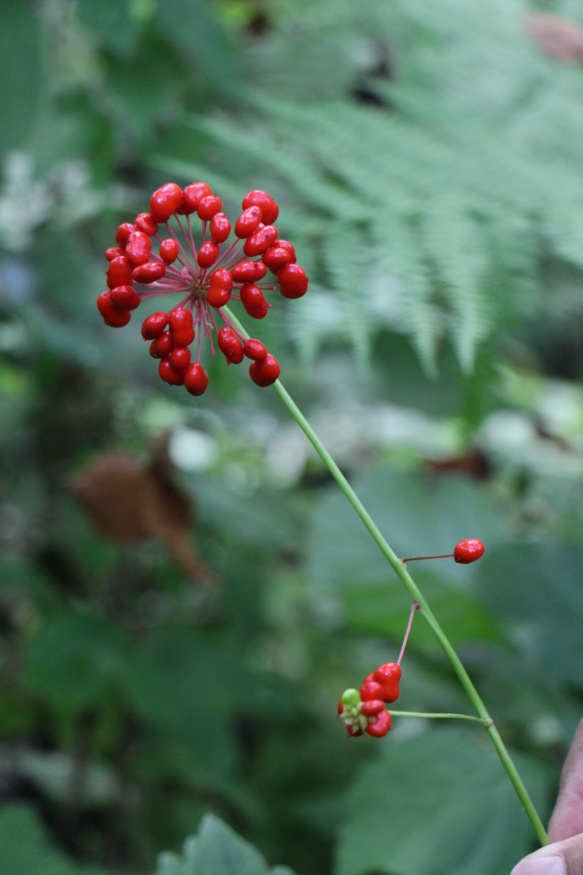
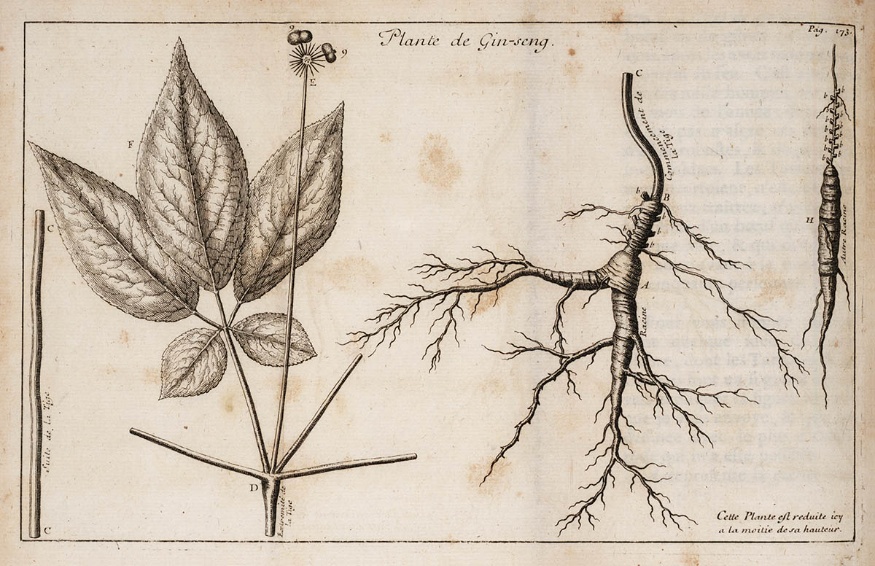
Korean ginseng (Panax ginseng) is a slow-growing perennial herb native to the forested regions of East Asia, where it thrives in cool, shaded environments with rich, well-drained soils. It is typically found growing in woodland understories and forest edges where light is filtered through the canopy. The plant produces a single upright stem with compound leaves arranged in a whorl, and small clusters of red berries when mature. The root is the most distinctive feature, developing a thick, forked shape over several years that is highly valued in traditional herbal systems.
This species has a long history of cultivation and wild harvesting, with mature roots often taking 5 to 10 years or more to reach optimal medicinal potency. Because of its slow growth and demand, it is often cultivated under controlled conditions that mimic its natural habitat. Identification is based on its palmate leaf structure, red berry clusters, and characteristic root form.
Historically, Korean ginseng has been one of the most important medicinal plants in Asia, often associated with vitality, longevity, and resilience. It has been used in both household remedies and formal medical systems for centuries. Today, it remains widely studied and used globally as an adaptogenic herb.
Medicinally, the root is the primary part used and is valued for its ability to support energy levels, immune function, and overall vitality. It is commonly prepared as a decoction, extract, or powdered supplement. Traditional uses focus on restoring balance in cases of fatigue, weakness, and chronic stress, making it a central tonic herb in both traditional and modern herbal practices.
Traditional Use
Folk Use
Korean ginseng (Panax ginseng) has long been regarded as one of the most valued tonic herbs in East Asian herbal traditions. Traditionally, the root is harvested after several years of growth and used to support vitality, endurance, and overall resilience. Folk practices often involve slow decoctions of the root or preparing it into tonics and soups. It has historically been associated with longevity and strength, and was often reserved for nobility or used in times of recovery from illness or fatigue. Over time, it has become more widely accessible and remains a cornerstone herb in many herbal systems.
Chinese Medicine
In Traditional Chinese Medicine (TCM), Korean ginseng is considered a powerful Qi tonic, especially for strengthening Yuan Qi (original energy). It is used to tonify the Spleen and Lung systems, support fluid production, and calm the spirit (Shen). It is commonly prescribed for fatigue, weakness, shortness of breath, poor appetite, and general deficiency conditions. It is often combined with other tonic herbs depending on the pattern being treated, and is considered warming and highly restorative.
Special Chemistry
Korean ginseng contains a group of bioactive compounds known as ginsenosides, along with polysaccharides, peptides, and volatile oils. Ginsenosides are believed to contribute to many of the plant’s adaptogenic properties, influencing the body’s stress response, immune modulation, and energy regulation. The root also contains antioxidant compounds that may support cellular protection and metabolic balance.
Signature
Ginseng’s thick, forked root shape has often been compared to the human body, reflecting its historical association with whole-body vitality and systemic support. This resemblance has contributed to its reputation as a deeply restorative tonic that “nourishes the whole person,” particularly the core systems of energy and endurance.
Combinations
Korean ginseng is commonly combined with herbs such as ashwagandha (in Western herbalism) or other tonic herbs in traditional formulas to balance its stimulating and strengthening effects. In TCM, it is frequently paired with herbs like astragalus or licorice to enhance Qi tonification and harmonize formulas. Combinations are often tailored depending on whether the goal is energy support, immune strengthening, or recovery from illness.
Precautions
Korean ginseng may be stimulating for some individuals and can cause insomnia, nervousness, or headaches if taken in excess or late in the day. It should be used cautiously in individuals with high blood pressure, heat signs, or those sensitive to stimulants. It may interact with certain medications, including blood thinners and stimulants, so professional guidance is recommended for long-term or high-dose use.
| Medicinal Species | Panax ginseng |
|---|---|
| Tastes | bitter, sweet |
| Organ Systems | circulatory, digestive, immune/lymphatic, nervous, endocrine |
| Thermal Nature | warm |
| Moisture | neutral |
| Parts Used | roots |
| Preparations | decoction, extract, tea/infusion, tincture, capsule, powder |
| Organs and Tissue | lungs, heart, kidneys, spleen, brain, adrenal |