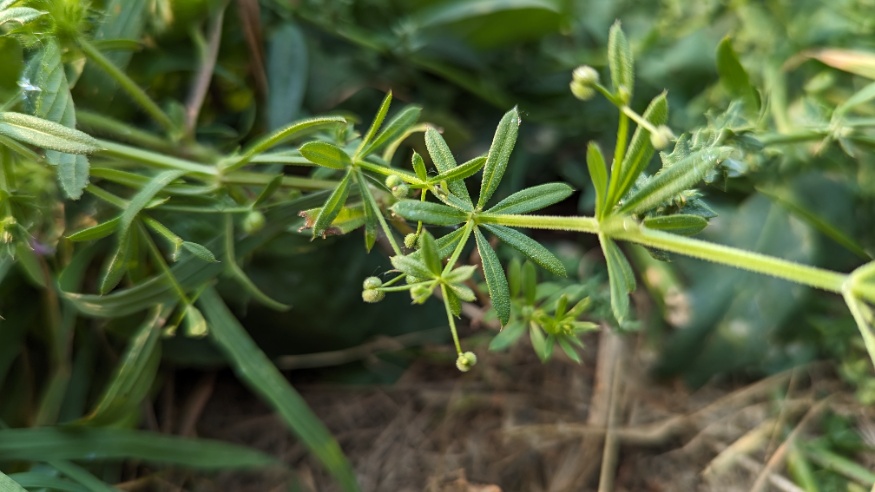
About This Plant
Bedstraw (Galium spp.) is a diverse group of herbaceous plants found throughout temperate regions of the world. Common species such as Galium aparine (cleavers) and Galium odoratum (sweet woodruff) are known for their delicate appearance and clinging or spreading growth habits. Bedstraw thrives in a variety of habitats, including woodlands, hedgerows, and meadows.
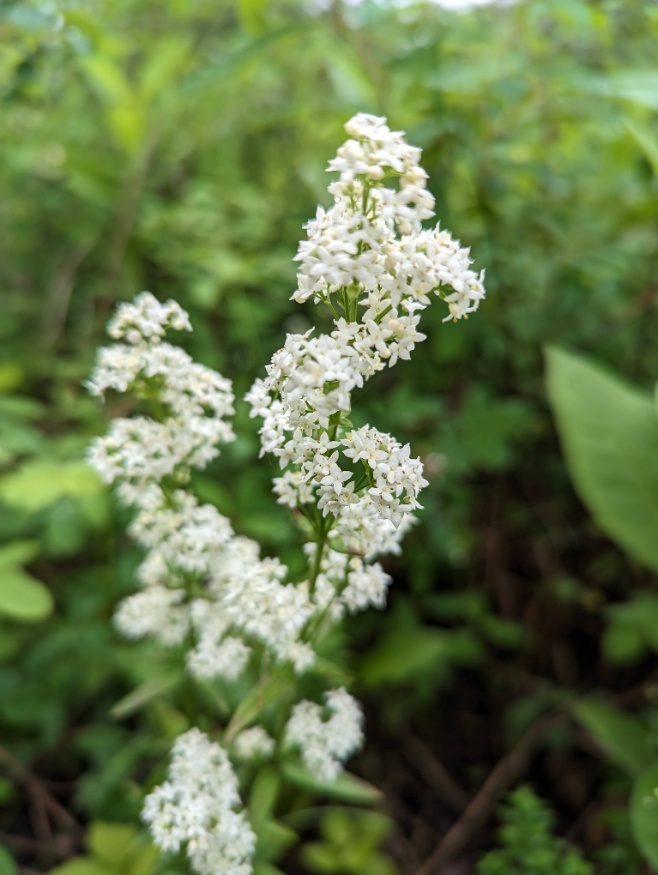
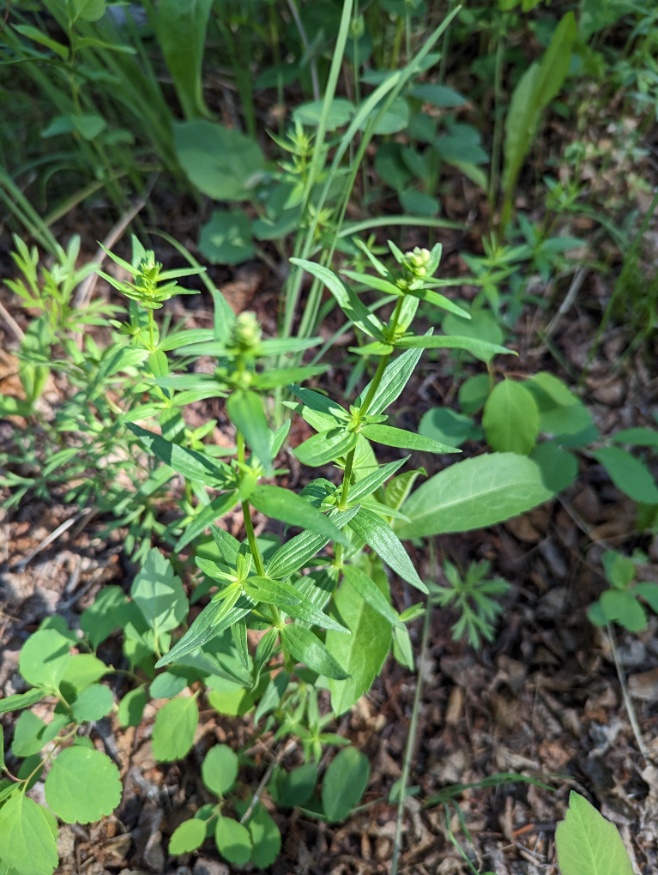
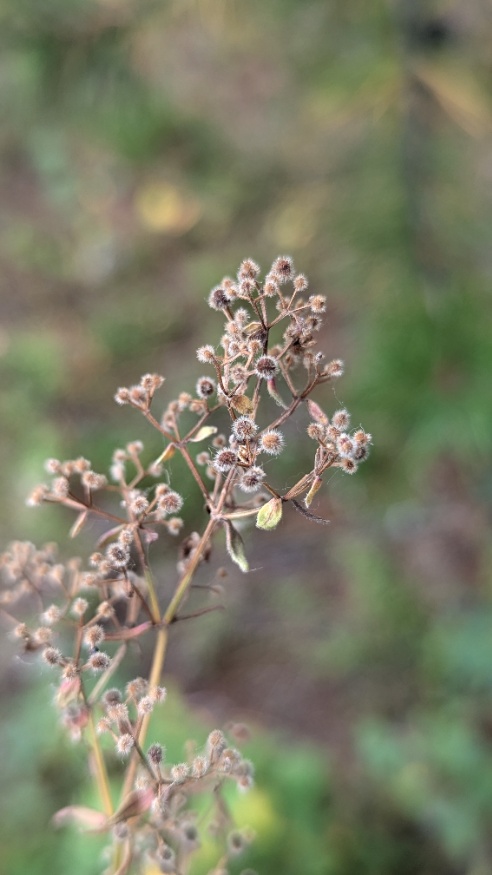
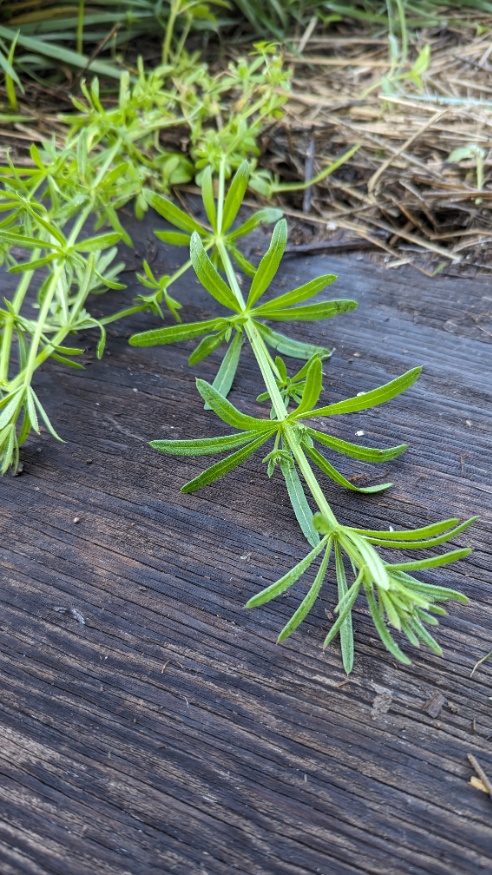
These plants are typically identified by their whorled leaves and slender stems, often covered in fine hairs that allow them to cling to surrounding vegetation. Small white or yellow flowers appear in clusters, adding subtle beauty to their environment. Some species emit a sweet scent when dried, contributing to their traditional uses.
Historically, bedstraw was used as a stuffing material for mattresses, hence its name. Its mild fragrance and soft texture made it a practical choice. Medicinally, it has been valued as a gentle lymphatic and diuretic herb, supporting the body’s natural detoxification processes.
Bedstraw is often compared to plants like dandelion for its cleansing properties. While not widely used as a food, young shoots can be consumed, and the plant has a long history of subtle but meaningful medicinal use.
Traditional Use
Folk Use
In folk traditions, bedstraw was commonly used as a mild cleansing herb. Teas made from the plant were believed to support the lymphatic system and promote gentle detoxification. It was often used in spring tonics to help the body transition out of winter.
Some species were also used externally as poultices for skin conditions, including minor wounds and irritations. Its soothing qualities made it a useful addition to simple home remedies.
Bedstraw also held cultural significance, being used in bedding and sometimes associated with comfort and rest. For more on its traditional applications, see using bedstraw for a better sleep.
Chinese Medicine
Special Chemistry
Bedstraw contains mild tannins and coumarins, contributing to its gentle astringent and calming effects. Some species develop a stronger fragrance when dried due to these compounds.
It is generally considered very safe and mild, often combined with other herbs like red clover for lymphatic support.
Because of its gentle nature, it is suitable for long-term use, though effects are typically subtle rather than strong.
Combinations
Precautions
| Medicinal Species | Galium aparine, Galium odoratum, Galium boreale, Galium triflorum |
|---|---|
| Tastes | bitter, astringent |
| Organ Systems | urinary, immune/lymphatic, integumentary (skin, hair, nails) |
| Thermal Nature | cool |
| Moisture | drying |
| Parts Used | stems, leaves, flowers |
| Preparations | tea/infusion, tincture |
| Organs and Tissue | kidneys, spleen, mucosa |
Growing Guide
Bedstraw is generally easy to grow and adapts well to a range of conditions depending on the species. Most prefer partial shade and moist, well-drained soil, though some can tolerate drier environments.
Seeds can be sown directly in the garden or started indoors. Many species will self-seed readily, sometimes becoming quite vigorous. Regular monitoring can help keep growth in check.
Because of its adaptability, bedstraw can be incorporated into naturalistic plantings or woodland gardens. Following practices such as preparing to grow wild plant seeds can improve establishment success.