About This Plant
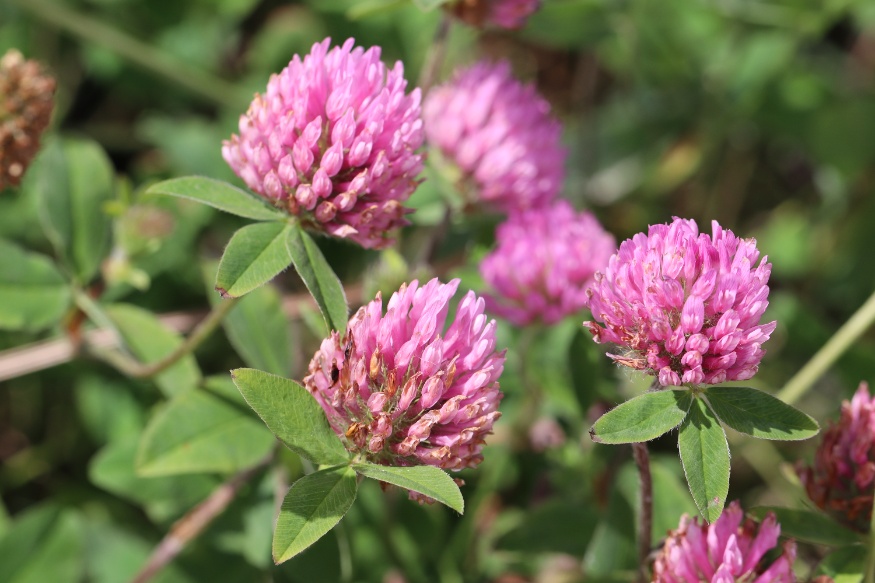
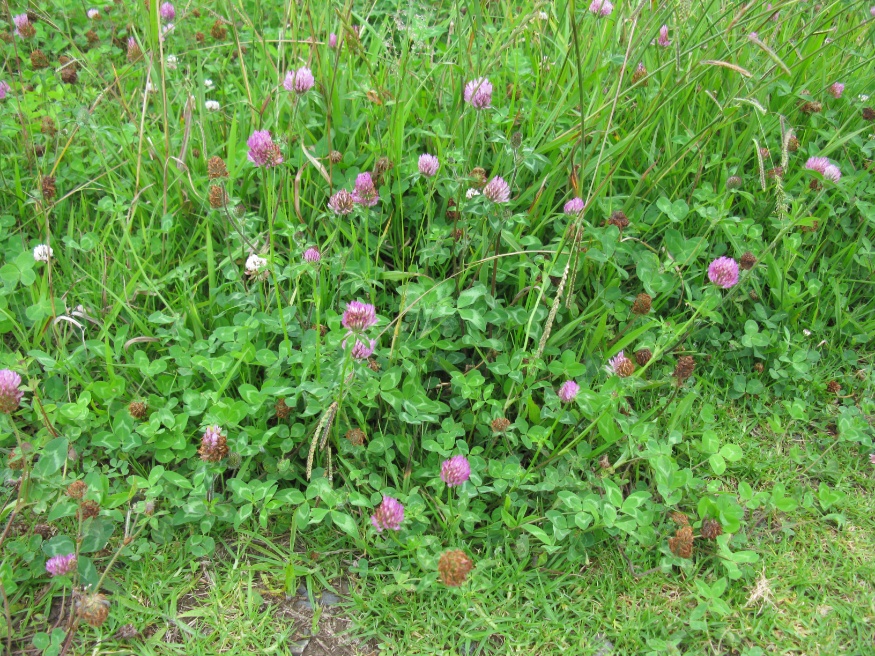
Red clover (Trifolium pratense) is a familiar perennial herb found in meadows, fields, and grasslands. It forms low clumps of trifoliate leaves marked with pale crescent-shaped patterns, and produces rounded flower heads composed of many small pink to purple blossoms. These flowers are highly attractive to bees and other pollinators, making red clover an important species for supporting biodiversity.
As a member of the legume family, red clover plays a valuable ecological role by fixing nitrogen in the soil. This process improves soil fertility and supports the growth of surrounding plants. Its ability to thrive in a variety of conditions makes it a common component of pasture systems and naturalized landscapes.
Red clover has a long history of use as both a forage crop and a medicinal plant. The flowers are often harvested and used in herbal preparations, valued for their gentle and nourishing qualities. Its widespread presence and ecological benefits make it a plant of both practical and traditional importance.
Traditional Use
Folk Use
Chinese Medicine
Combinations
Precautions
| Medicinal Species | Trifolium pratense |
|---|---|
| Tastes | bitter, sweet |
| Organ Systems | circulatory, immune/lymphatic, endocrine |
| Thermal Nature | cool |
| Moisture | moistening |
| Parts Used | flowers |
| Preparations | tea/infusion, tincture |
| Organs and Tissue | blood |