About This Plant
Wild parsnip (Pastinaca sativa) is a biennial member of the carrot family (Apiaceae) that has become both admired and feared throughout much of North America. Originally native to Europe and western Asia, it was introduced by early settlers as a valuable root vegetable and medicinal herb. Over time it escaped cultivation and now grows extensively along roadsides, abandoned fields, utility corridors and other disturbed habitats. Although the cultivated parsnip found in gardens belongs to the same species, wild populations have adapted to life outside cultivation and produce substantially higher levels of defensive compounds that make contact with the plant potentially hazardous. Despite its reputation, wild parsnip remains an ecologically important species, providing nectar and pollen for numerous native bees, flies, beetles and parasitic wasps during its long flowering period.
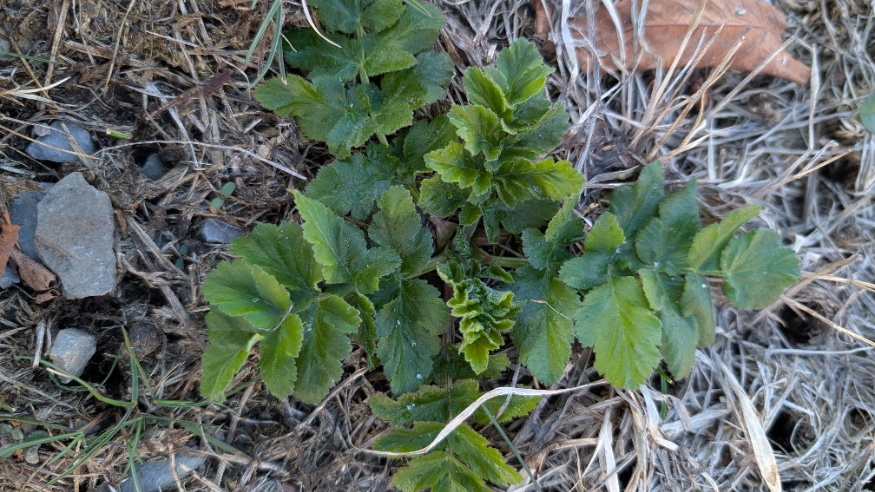
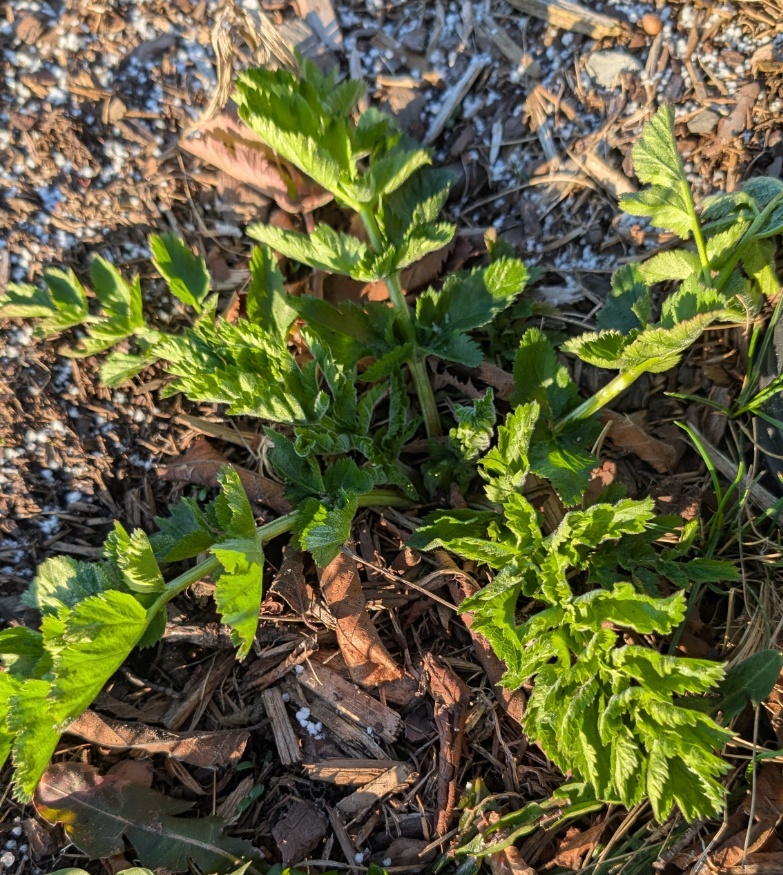
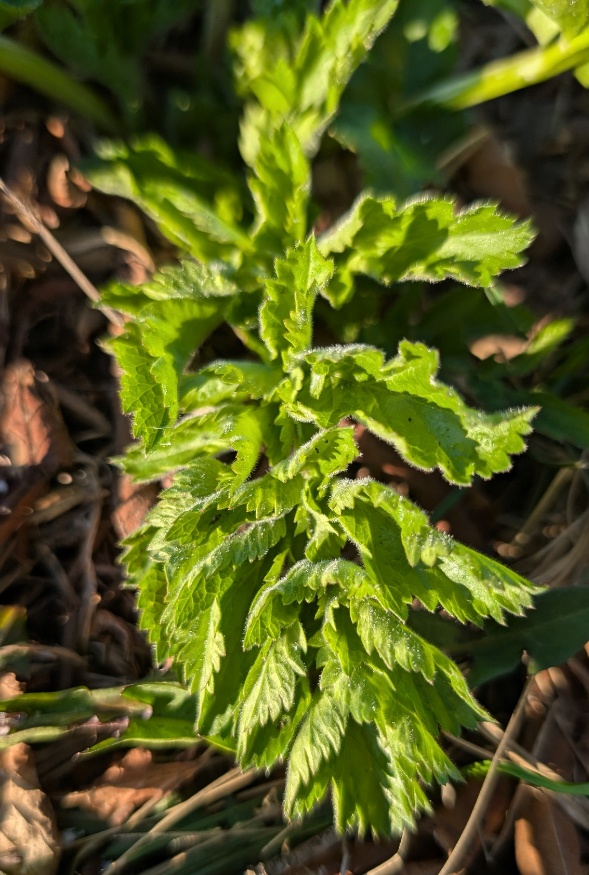
The plant thrives in full sun and prefers open ground with well-drained soils, though it readily tolerates clay, gravelly sites and moderately dry conditions. During its first growing season it forms a basal rosette of coarse, pinnately divided leaves while directing energy into a thick taproot. In its second year, a hollow flowering stalk rises two to five feet tall and produces broad clusters of bright yellow flowers arranged in characteristic umbrella-shaped umbels. These blooms are followed by flattened, oval seeds that are readily dispersed by wind, animals and roadside maintenance equipment. Correct identification is particularly important because wild parsnip resembles several members of the carrot family, including the native Cow Parsnip, as well as dangerously poisonous species such as poison hemlock.
Historically, parsnips were cultivated centuries before potatoes became a staple crop across Europe. The sweet, starchy roots were an important winter food because they stored well and became noticeably sweeter after repeated frosts converted starches into natural sugars. Herbalists also valued the plant for supporting digestion, encouraging urination and providing nourishment during colder months. As cultivated varieties became larger, sweeter and lower in phototoxic compounds, they gradually replaced the wild form for food production. Today, wild parsnip is more often regarded as an invasive weed than a useful crop, yet its history illustrates how many familiar vegetables originated from hardy wild ancestors.
In Western herbalism, wild parsnip has largely fallen out of favour due to the significant risk posed by its furanocoumarin-rich sap. Historically, the cooked root was prepared as a warming food and digestive tonic, while the seeds occasionally appeared in remedies intended to stimulate urination or relieve bloating. Modern herbalists generally recommend safer members of the carrot family, including Angelica, for similar purposes. Those who forage should never confuse wild parsnip with edible garden parsnips or harvest it without proper protective clothing, as even brief skin contact followed by sunlight can result in severe blistering. Although the plant deserves respect for its historical importance and ecological value, education and careful identification remain essential whenever encountering it in the wild.
Traditional Use
Folk Use
Although modern gardeners often know wild parsnip for its ability to cause severe skin reactions, it also has a long history as both a food plant and medicinal herb. Before improved cultivated varieties became widespread, the fleshy root served as an important winter vegetable throughout much of Europe. The root becomes sweeter after exposure to frost as starches convert into sugars, making it a valuable source of calories during colder months.
Traditional European herbalists primarily valued the root as a warming digestive tonic. It was eaten cooked or prepared as a decoction to stimulate appetite, relieve sluggish digestion and reduce intestinal gas after heavy meals. The aromatic qualities of the plant were thought to strengthen digestive function while providing nourishment. Because of its warming nature, it was often recommended during cold weather or for individuals believed to have weak digestive fire.
The seeds occasionally appeared in older herbal preparations as mild diuretics and carminatives, while poultices of the cooked root were sometimes applied externally for aching muscles and joints. Historical records also mention its use for supporting urinary function and easing certain respiratory complaints, although these applications never became as prominent as those of many better-known medicinal members of the carrot family such as Angelica. Modern herbal practice generally places greater emphasis on safer alternatives because of the phototoxic compounds naturally present in the fresh plant.
Chinese Medicine
Pastinaca sativa is not considered a traditional herb within the Chinese Materia Medica and therefore has no established classification in classical Traditional Chinese Medicine. Unlike herbs that have been used continuously in China for centuries, wild parsnip developed its medicinal reputation primarily through European folk medicine. As a result, there are no traditional channel affiliations, dosage standards or classical formulas associated with this species.
From the perspective of modern TCM practitioners interested in Western herbs, the cooked root could be viewed as moderately warming and mildly sweet with a tendency to support Spleen Qi by nourishing digestion and promoting the transformation of food. Its aromatic qualities suggest a capacity to move stagnant Qi within the digestive tract, easing bloating and fullness after meals. The mild diuretic reputation of the seeds may also indicate an ability to assist the Bladder in regulating fluid metabolism, though this remains largely theoretical rather than based on classical literature.
Because fresh wild parsnip contains phototoxic furanocoumarins capable of producing significant skin injury, it is seldom incorporated into contemporary TCM practice. Practitioners seeking herbs with similar warming digestive properties generally select safer, well-established medicinals such as dried ginger, fennel, or Angelica. Consequently, Pastinaca sativa occupies only a very minor role in modern integrative herbal medicine and is best regarded as a historical European medicinal rather than a traditional Chinese remedy.
Special Chemistry
Wild parsnip contains several biologically active furanocoumarins including psoralen, xanthotoxin (8-methoxypsoralen), bergapten and imperatorin. These compounds are responsible for the plant's characteristic phototoxicity by sensitizing skin to ultraviolet A (UVA) light. The roots also contain volatile aromatic oils, carbohydrates, dietary fibre and antioxidant phenolic compounds. Cultivated parsnips generally contain considerably lower concentrations of phototoxic compounds than unmanaged wild populations.
Signature
The large, deeply penetrating taproot reflects the plant's traditional reputation for strengthening digestion and drawing nourishment from poor soils. Its sweet root concealed beneath a potentially harmful leafy top reminds herbalists that many medicinal plants possess both beneficial and hazardous qualities depending upon proper preparation, timing and respect for the whole plant.
Combinations
Historically, cooked parsnip root was often combined with warming culinary herbs such as Dill, fennel and caraway to improve digestion and reduce intestinal gas. When used medicinally, it was occasionally paired with aromatic digestive herbs including Angelica for sluggish digestion. Modern Western herbalists rarely formulate with wild parsnip because safer herbs provide similar benefits without the risk of phototoxic injury.
Precautions
Extreme caution should be exercised when handling wild parsnip. Fresh sap from leaves, stems, flowers and immature seeds can cause severe phytophotodermatitis when exposed to sunlight, producing painful burns, blistering and long-lasting skin discoloration. Gloves, long sleeves and eye protection should always be worn during harvesting or removal. Avoid harvesting from roadsides where herbicide contamination may occur. The fresh plant should not be applied externally. Internal medicinal use is uncommon today due to safer alternatives. Individuals with photosensitivity disorders or those taking photosensitizing medications should avoid contact with the plant entirely. Proper identification is also essential because members of the carrot family can resemble several highly poisonous species.
| Medicinal Species | Pastinaca sativa |
|---|---|
| Tastes | bitter, sweet, acrid/pungent |
| Organ Systems | circulatory, digestive, respiratory, urinary, muscular |
| Thermal Nature | warm |
| Moisture | drying |
| Parts Used | roots, leaves, seeds |
| Preparations | decoction, extract, tea/infusion, tincture, powder |
| Organs and Tissue | lungs, stomach, small intestine, bladder, muscle & connective tissue |
Growing Guide
Wild parsnip is a hardy biennial that grows readily from seed and adapts well to many temperate climates. Although cultivated forms have long been grown as vegetables, the wild form is considerably more vigorous and should be planted only where it can be carefully managed. It performs best in full sun and fertile, well-drained soils but tolerates poorer ground once established. The plant naturally colonizes roadsides, abandoned fields and disturbed soils where competition from other vegetation is limited.
Seeds benefit from approximately 60–90 days of cold moist stratification before sowing. Autumn sowing outdoors generally provides the most reliable germination since winter naturally fulfills the chilling requirement. Spring sowing is also successful after artificial stratification in moist sand or vermiculite under refrigeration. Germination usually occurs as soil temperatures begin warming in spring.
Young plants first produce a low rosette of deeply divided leaves while directing most of their energy into developing the large taproot. Flowering usually occurs during the second growing season when a tall, hollow flowering stalk emerges bearing numerous yellow compound umbels that attract a wide diversity of beneficial insects, including native bees, hoverflies and parasitic wasps.
Extreme caution should be exercised when cultivating this species. The leaves, stems, flowers and immature fruits contain furanocoumarins capable of causing severe phytophotodermatitis when plant sap contacts skin followed by exposure to sunlight. Gloves, long sleeves and eye protection should always be worn when handling living plants, especially during warm sunny weather. Removing flowering stalks before seed set prevents unwanted spread and reduces invasiveness in cultivated areas.