About This Plant
Jerusalem artichoke (Helianthus tuberosus) is a tall, sunflower-like perennial native to central and eastern North America where it has long been valued as both a dependable food crop and a useful medicinal plant. Despite its common name, it is neither from Jerusalem nor closely related to globe artichokes. The name "Jerusalem" is believed to have evolved from an Italian pronunciation of girasole, meaning "sunflower," while "artichoke" refers to the flavour of the cooked tubers. A member of the sunflower family (Asteraceae), Jerusalem artichoke produces abundant underground tubers that have sustained Indigenous peoples for centuries and later became an important crop after being introduced to Europe during the early 1600s. Today it is appreciated by gardeners, foragers and herbalists for its exceptional productivity, nutritional value and ability to thrive in cold climates.
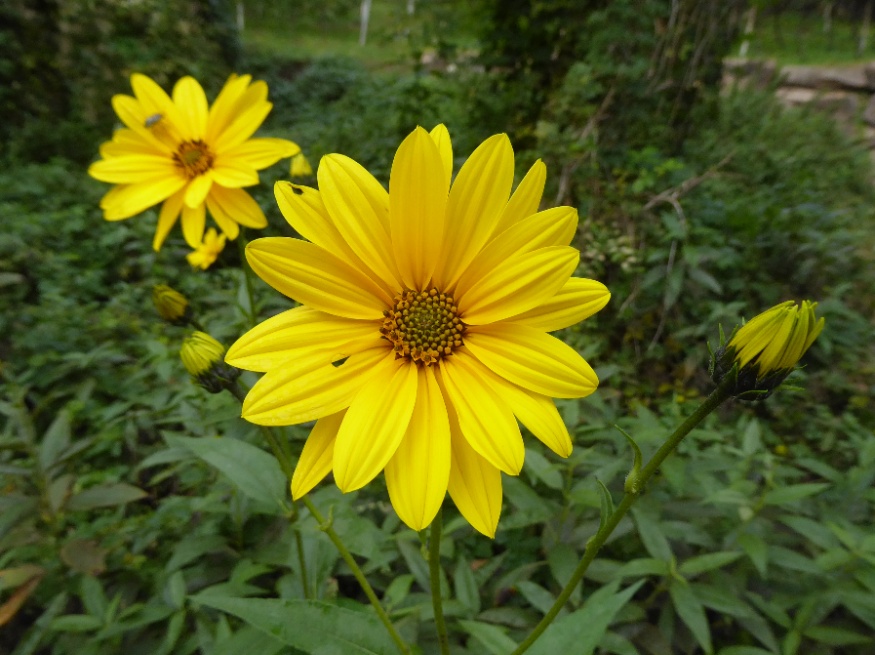
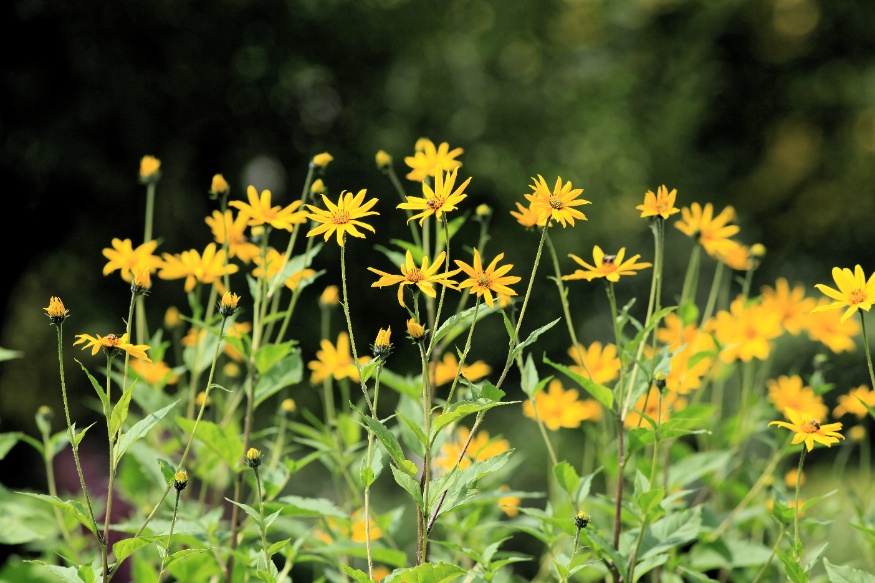
In the wild, Jerusalem artichoke commonly grows along riverbanks, floodplains, prairie edges, open woodlands and other sunny habitats with reasonably moist soils. The plant forms dense colonies through underground rhizomes and tubers, allowing it to spread steadily over time. Strong upright stems often reach five to ten feet tall and bear rough, ovate leaves with coarse teeth along their margins. During late summer and early autumn, bright yellow flower heads resembling small sunflowers appear near the tops of the stems, attracting numerous native bees, butterflies and other pollinating insects. As temperatures cool, the foliage dies back while the underground tubers remain dormant, ready to produce vigorous new growth the following spring.
For countless generations, Indigenous peoples throughout North America harvested the nutritious tubers as an important staple food. They could be eaten raw, roasted, boiled or dried for later use, providing dependable nourishment throughout autumn and winter. European explorers quickly recognized the plant's value and carried it overseas, where it gained popularity before the widespread adoption of potatoes. Although commercial production later declined, Jerusalem artichoke continues to be cultivated around the world as a resilient food crop and livestock forage. Its ability to produce large harvests with minimal care has renewed interest among gardeners seeking sustainable perennial vegetables.
From a Western herbal perspective, Jerusalem artichoke is valued primarily as a medicinal food rather than a strongly acting herbal remedy. The tubers are exceptionally rich in inulin, a prebiotic fibre that nourishes beneficial intestinal bacteria and supports healthy digestive function. This makes the plant particularly useful for promoting a balanced gut microbiome and long-term digestive wellness. Herbalists often recommend it alongside digestive herbs such as Chamomile, Lemon Balm and Dandelion as part of a food-first approach to health. Easy to grow, highly nutritious and remarkably hardy, Jerusalem artichoke remains one of North America's finest perennial edible plants while continuing to bridge the worlds of gardening, nutrition and herbal medicine.
Traditional Use
Folk Use
Jerusalem artichoke has served as both a staple food and medicinal plant for Indigenous peoples of North America long before European settlement. The crisp, sweet tubers were harvested throughout autumn and winter, providing an important source of nourishment when many other fresh foods were unavailable. After its introduction to Europe during the early seventeenth century, the plant spread rapidly because of its high productivity, excellent cold tolerance and pleasant flavour.
Traditional herbalists primarily regarded Jerusalem artichoke as a strengthening food rather than a powerful medicinal herb. The easily digested tubers were commonly recommended during recovery from illness and for individuals needing gentle nourishment without placing excessive strain on digestion. The high concentration of inulin, a prebiotic fibre, was valued for supporting healthy bowel function and maintaining digestive regularity. Mild decoctions of the leaves occasionally appeared in folk medicine for supporting general wellness, although the tubers remained by far the most important medicinal portion of the plant.
Modern herbalists continue to value Jerusalem artichoke as a functional food that supports digestive health through its ability to nourish beneficial intestinal bacteria. It is frequently recommended alongside fibre-rich foods and herbs that promote gastrointestinal wellness. Unlike many medicinal herbs that exert strong pharmacological actions, Jerusalem artichoke contributes primarily through long-term nutritional support, making it an excellent example of food and medicine existing along the same continuum.
Chinese Medicine
Jerusalem artichoke is not a traditional herb of the Chinese Materia Medica and therefore has no classical designation regarding channels, energetic properties or established herbal formulas. Native to North America, it became an important food crop among Indigenous peoples long before its introduction to Europe, but it was never incorporated into the historical development of Traditional Chinese Medicine. Consequently, there are no ancient Chinese texts describing its medicinal actions or prescribing it for specific TCM patterns.
From a modern integrative perspective, the sweet tubers can be viewed as neutral in thermal nature with a nourishing effect on the Spleen and Stomach. Their abundance of inulin and other complex carbohydrates supports healthy digestive function by feeding beneficial intestinal microorganisms rather than directly stimulating digestion. This gradual nourishing action resembles the TCM concept of strengthening the Spleen Qi through wholesome foods that improve the body's ability to transform and transport nutrients. Because the tubers provide sustained nourishment without being excessively heating or cooling, they may be considered suitable for a wide variety of constitutions.
Modern practitioners who combine Western nutrition with TCM principles sometimes recommend Jerusalem artichoke as a functional food for supporting digestive resilience and healthy blood sugar metabolism. However, these applications are based on contemporary nutritional understanding rather than traditional Chinese herbal theory. Within classical TCM practice, herbs with similar energetic functions are generally selected from the established Chinese pharmacopoeia, while Jerusalem artichoke remains valued primarily as a nourishing food rather than a medicinal herb.
Special Chemistry
Jerusalem artichoke tubers are exceptionally rich in inulin, a fructan that serves as a prebiotic fibre supporting beneficial intestinal bacteria. They also contain fructooligosaccharides, potassium, iron, magnesium, vitamin C and smaller amounts of B vitamins. Unlike potatoes, the tubers store relatively little starch, making them unique among root vegetables. The leaves and stems contain phenolic compounds and flavonoids with antioxidant activity, although these constituents are far less studied than the nutritional composition of the tubers.
Signature
The abundant underground tubers suggest nourishment, resilience and the importance of developing strong foundations. While the tall flowering stems capture sunlight above ground, the greatest value lies hidden beneath the soil, reflecting the body's unseen digestive processes that sustain overall health. The plant's ability to regenerate from overlooked tubers symbolizes renewal, abundance and the restorative power of wholesome food.
Combinations
Jerusalem artichoke combines well with digestive herbs such as Chamomile, Lemon Balm and Dandelion when supporting digestive wellness. As a nutritious food, it pairs naturally with fibre-rich vegetables and fermented foods that complement its prebiotic activity. Western herbalists often recommend it alongside herbs that support a healthy digestive microbiome, although it is valued primarily for its nutritional contribution rather than strong medicinal action.
Precautions
Jerusalem artichoke is generally considered a very safe food and medicinal plant. Because the tubers contain large amounts of inulin, consuming substantial quantities - especially when first introducing them into the diet - may cause bloating, gas or abdominal discomfort while the digestive system adapts. Gradually increasing intake usually minimizes these effects. Cooking often improves digestibility for many people. Individuals with known sensitivities to fructans or those following medically prescribed low-FODMAP diets may need to limit consumption. As with any wild harvest, avoid collecting plants from contaminated sites or areas treated with herbicides or pesticides.
| Medicinal Species | Helianthus tuberosus |
|---|---|
| Tastes | sweet |
| Organ Systems | digestive, lower gi, immune/lymphatic, endocrine |
| Thermal Nature | neutral |
| Moisture | moistening |
| Parts Used | roots, leaves |
| Preparations | decoction, extract, tea/infusion, tincture, powder |
| Organs and Tissue | stomach, small intestine, large intestine, pancreas |
Growing Guide
Jerusalem artichoke is an exceptionally hardy perennial grown primarily for its nutritious underground tubers. Unlike potatoes, it survives severe winters with little protection and reliably returns each spring from underground rhizomes. It thrives in full sun but tolerates light shade and grows successfully in a wide range of soils, including sandy, loamy and moderately heavy clay soils. Although the plants appreciate fertile, moist ground, they remain productive even under relatively poor conditions once established.
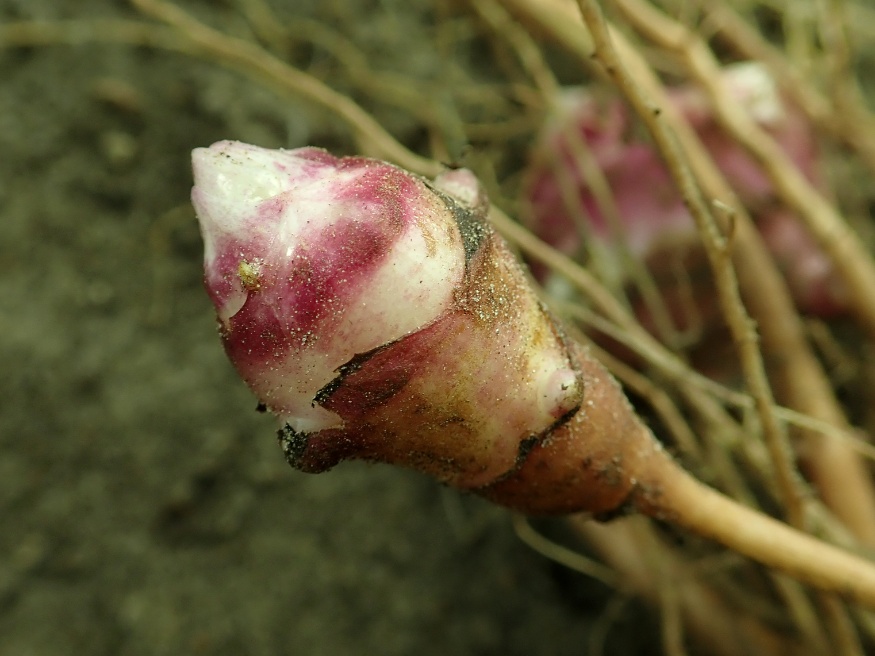
Propagation is almost always accomplished by planting tubers rather than seed. Healthy tubers containing at least one growing bud are planted in early spring after the ground can be worked or in autumn several weeks before freeze-up. Tubers are generally placed four to six inches deep and spaced twelve to twenty-four inches apart. The vigorous stems quickly develop into dense colonies that can reach ten feet in height, producing cheerful yellow flowers late in the growing season that attract numerous native bees and other pollinating insects.
Because Jerusalem artichoke spreads readily through underground tubers, it should be planted where its expansion can be managed. Even small tubers left in the soil often produce new plants the following year. Harvesting is best delayed until after several autumn frosts, when the tubers become sweeter as stored carbohydrates are converted. Many gardeners leave part of the crop in the ground throughout winter, digging fresh tubers whenever the soil is workable. Regular harvesting naturally controls spread while maintaining vigorous production. Established patches require little maintenance beyond occasional thinning and benefit from periodic additions of compost to sustain long-term yields.