About This Plant
Fennel (Foeniculum vulgare) is a graceful aromatic perennial in the carrot family (Apiaceae) that has served as both food and medicine for more than two thousand years. Native to the Mediterranean region, it has become naturalized across much of Europe, Asia, North America and Australia, thriving in sunny, well-drained habitats. Every part of the plant is useful, from its feathery leaves and crisp stems to its highly aromatic seeds and medicinal root. Throughout history, fennel has been prized not only for its pleasant anise-like flavour but also for its remarkable ability to support digestion, respiration and overall vitality. Few culinary herbs have maintained such a continuous reputation across so many cultures and healing traditions.
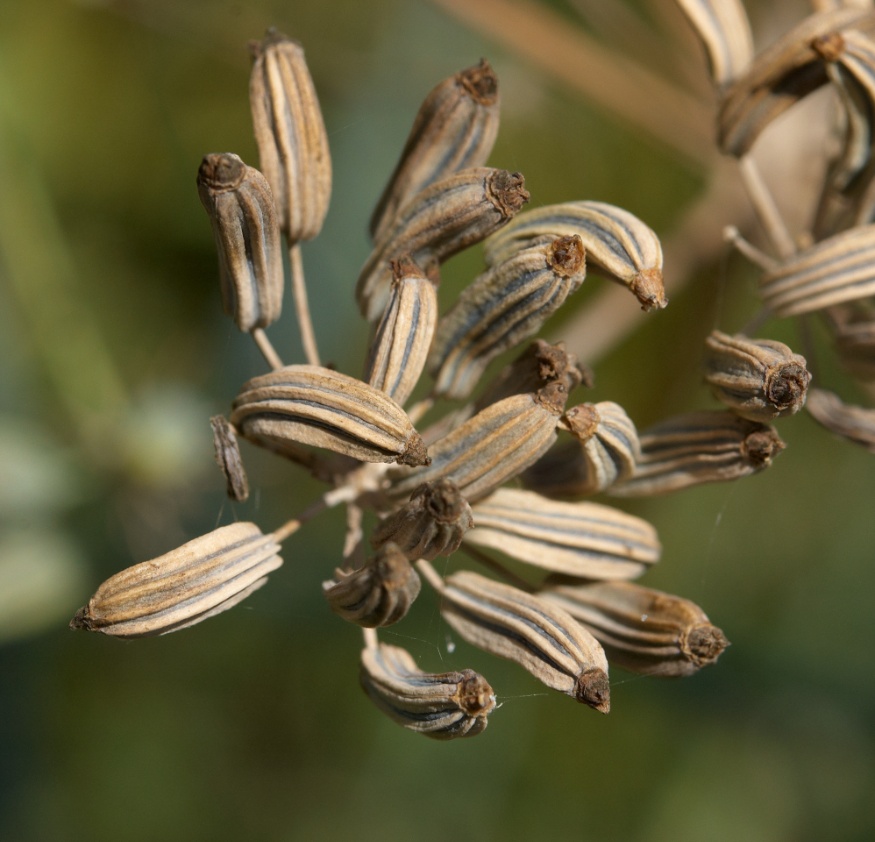
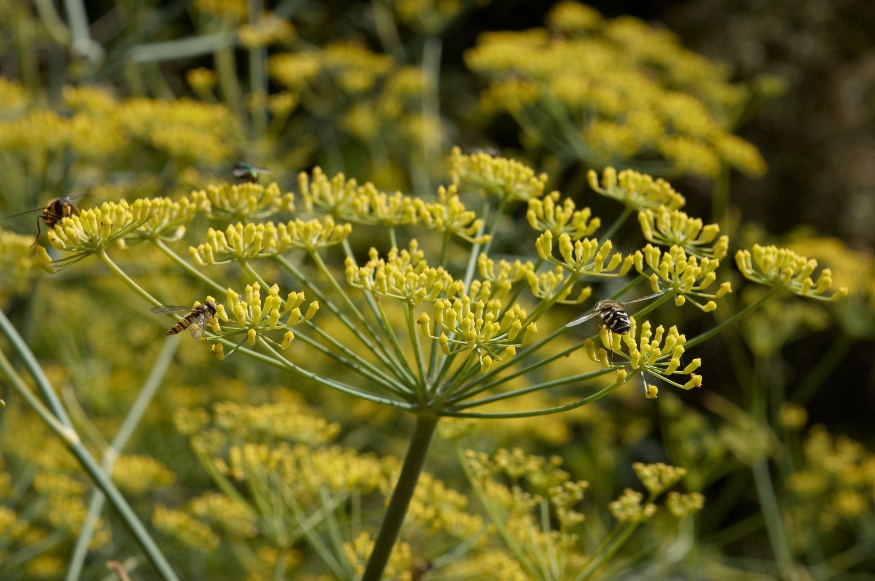
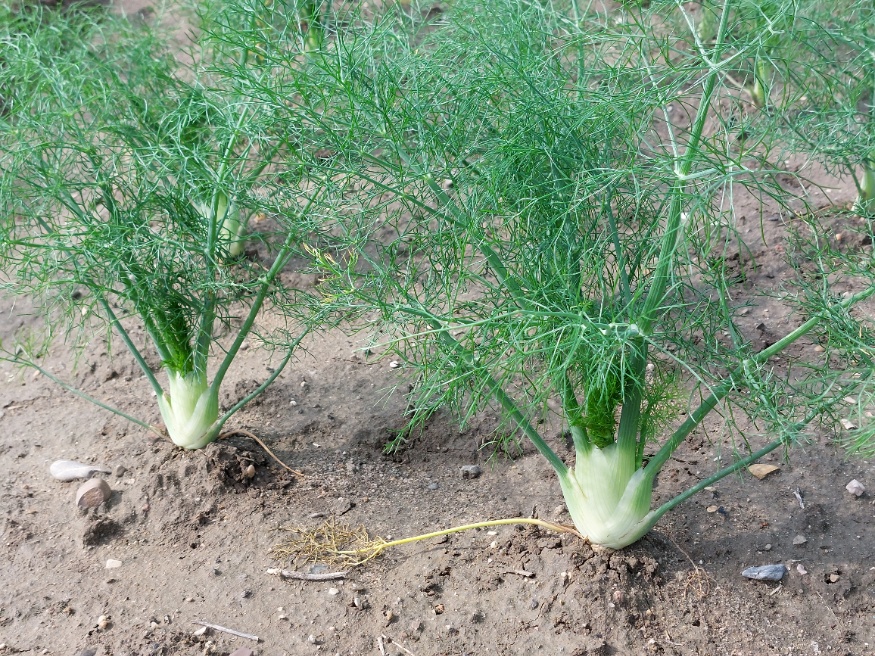
Fennel grows as a tall, upright plant with hollow ribbed stems and finely divided blue-green foliage that gives it a delicate, feathery appearance. During midsummer, large umbrella-shaped clusters of tiny yellow flowers attract an extraordinary diversity of bees, butterflies, hoverflies and parasitic wasps, making fennel one of the finest plants for supporting beneficial insects in the garden. As the flowers mature, they develop into fragrant ribbed seeds that contain the highest concentration of medicinal volatile oils. The deep taproot anchors the plant through dry conditions, allowing established specimens to thrive where many other herbs struggle.
Ancient Egyptian, Greek and Roman physicians all praised fennel as an important medicinal and culinary herb. It was traditionally recommended to ease digestive discomfort, freshen the breath and promote comfortable elimination of intestinal gas. Across Europe, crushed seeds became one of the classic household remedies for bloating, indigestion and infant colic, while soothing syrups and teas were prepared to loosen mucus and calm coughs. In Traditional Chinese Medicine, Xiao Hui Xiang is valued for warming the interior, moving Qi and relieving abdominal pain associated with Cold stagnation. The herb has also been traditionally used to support healthy milk production in nursing mothers and remains one of the best-known galactagogue herbs in Western herbalism.
Modern herbalists continue to regard fennel as one of the safest and most versatile medicinal plants available. Rich in aromatic compounds such as anethole, it supports healthy digestion, respiratory comfort and gentle digestive motility while providing pleasant flavour to countless herbal formulas. Fennel combines especially well with herbs such as Chamomile, Peppermint, Caraway and Anise. Equally valuable in the kitchen, apothecary and pollinator garden, fennel remains one of the world's finest examples of a plant that beautifully bridges the worlds of food and medicine.
Traditional Use
Folk Use
Fennel has been valued as both a culinary herb and medicinal plant since ancient Egypt, Greece and Rome. The aromatic seeds were traditionally chewed after meals to freshen the breath and encourage comfortable digestion, while teas prepared from the crushed seeds became classic remedies for bloating, gas and digestive discomfort. Throughout Europe, fennel was regarded as one of the safest digestive herbs for both adults and children and was frequently included in household herb gardens.
The sweet, warming nature of fennel also made it an important respiratory herb. Infusions and syrups prepared from the seeds were traditionally used to soothe coughs, loosen mucus and support comfortable breathing during seasonal respiratory illnesses. Nursing mothers in many cultures consumed fennel preparations to encourage healthy milk production, while gentle digestive teas were commonly offered to infants experiencing colic, although modern recommendations now emphasize appropriate dosing under professional guidance.
In Western herbalism, fennel continues to be regarded as one of the finest aromatic digestive herbs. Its pleasant flavour, excellent safety profile and broad traditional use have made it a cornerstone of digestive, respiratory and infant-support formulas. Whether enjoyed as food, tea or medicine, fennel beautifully illustrates how culinary herbs often provide some of the most reliable and gentle forms of everyday herbal support.
Chinese Medicine
Fennel (Xiao Hui Xiang, 小茂香) has been used in Traditional Chinese Medicine for centuries, although it differs from the larger culinary spice known as Da Hui Xiang (star anise). Xiao Hui Xiang is pungent and warm in nature, entering the Liver, Kidney, Spleen and Stomach channels. Traditionally, it is used to warm the interior, disperse Cold, regulate the flow of Qi and relieve pain, particularly within the lower abdomen. It is especially valued for conditions involving Cold affecting the digestive or reproductive systems.
In classical TCM, fennel is commonly prescribed for abdominal pain, bloating, poor appetite, nausea, hernia pain and menstrual discomfort associated with Cold stagnation. By warming the Middle Burner and promoting the smooth movement of Qi, it helps relieve digestive discomfort while supporting healthy stomach function. Its warming influence on the Kidney and Liver channels also makes it useful for certain patterns involving lower abdominal pain, cold extremities and reproductive weakness. Unlike strongly heating herbs, fennel provides gentle warmth while remaining suitable for long-term use in appropriate constitutions.
Modern TCM practitioners continue to include Xiao Hui Xiang in formulas intended to harmonize digestion and alleviate pain caused by Cold accumulation. It is frequently combined with other aromatic warming herbs to improve digestive comfort and restore the proper movement of Qi. Its pleasant flavour and excellent safety profile have ensured its continued popularity as both a medicinal herb and culinary spice throughout East Asia.
Special Chemistry
Fennel seeds contain volatile oils rich in anethole, fenchone and estragole, together with limonene, flavonoids, coumarins, phenolic acids and fixed oils. Anethole is largely responsible for fennel's characteristic sweet aroma and many of its traditional digestive properties. The seeds also provide fibre, potassium, calcium and small amounts of essential minerals. Collectively, these constituents contribute to fennel's well-established reputation for supporting digestion, healthy respiratory function and comfortable elimination of intestinal gas.
Signature
The hollow stems suggest openness and the free movement of breath and digestion, while the finely divided feathery leaves evoke lightness and flexibility. The aromatic seeds concentrate remarkable warmth within a very small form, reflecting the herb's traditional role in gently dispelling internal Cold, restoring digestive vitality and encouraging the smooth movement of Qi throughout the body.
Combinations
Fennel combines exceptionally well with Chamomile, Lemon Balm and Peppermint for digestive comfort. It is traditionally paired with Caraway, Anise and Coriander in classic carminative formulas. For respiratory support, Western herbalists often combine fennel with Thyme and Licorice in soothing cough preparations.
Precautions
Fennel is generally regarded as a very safe culinary and medicinal herb when consumed in normal amounts. Concentrated essential oil should only be used under appropriate professional guidance, as excessive doses may produce adverse effects. Individuals with known allergies to members of the carrot family (Apiaceae) should exercise caution. Because fennel possesses mild estrogen-like activity, those with hormone-sensitive medical conditions should consult a qualified healthcare practitioner before prolonged use of concentrated medicinal preparations. Culinary use and moderate herbal teas are considered appropriate for most healthy individuals.
| Medicinal Species | Foeniculum vulgare var. vulgare, Foeniculum vulgare var. dulce |
|---|---|
| Tastes | sweet, acrid/pungent |
| Organ Systems | digestive, respiratory, urinary, endocrine, reproductive |
| Thermal Nature | warm |
| Moisture | moistening |
| Parts Used | roots, leaves, seeds |
| Preparations | decoction, tea/infusion, tincture, powder, essential oil, syrup |
| Organs and Tissue | lungs, stomach, kidneys, intestines, breasts |
Growing Guide
Fennel is a hardy short-lived perennial or biennial that thrives in full sun and well-drained soils. It prefers sandy or loamy ground with moderate fertility and develops a deep taproot that allows established plants to tolerate periods of drought. Because the taproot resents disturbance, fennel is best sown directly where it will mature rather than transplanted after significant root development. Plants appreciate open locations with good air circulation and produce the highest concentration of aromatic oils when grown in warm, sunny conditions.
Seeds require little preparation but benefit from approximately 30 days of cold moist stratification in colder climates, although fresh spring sowing often produces excellent germination without treatment. Sow seeds shallowly after the danger of severe frost has passed, thinning seedlings to allow adequate spacing. Mature plants produce tall hollow stems topped with large golden umbels that attract countless bees, hoverflies, parasitic wasps and butterflies, making fennel one of the finest companion plants for beneficial insects.
Leaves may be harvested throughout the growing season, while seeds are collected once the flower heads begin turning brown but before they shatter naturally. Medicinal roots are traditionally harvested from mature plants during autumn. Although fennel readily self-seeds under favourable conditions, unwanted seedlings are easily managed. Avoid planting immediately beside dill, as the two species readily cross-pollinate, potentially reducing seed quality in future generations.