About This Plant
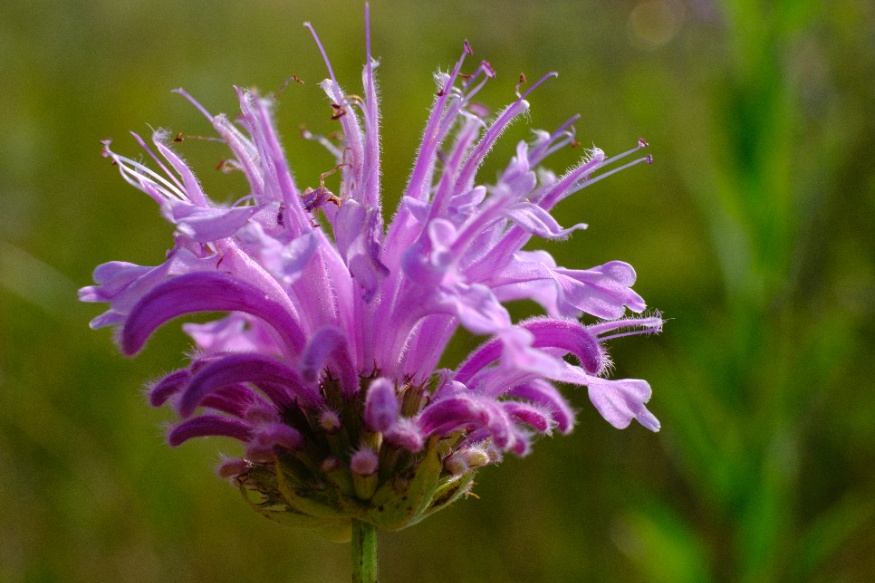
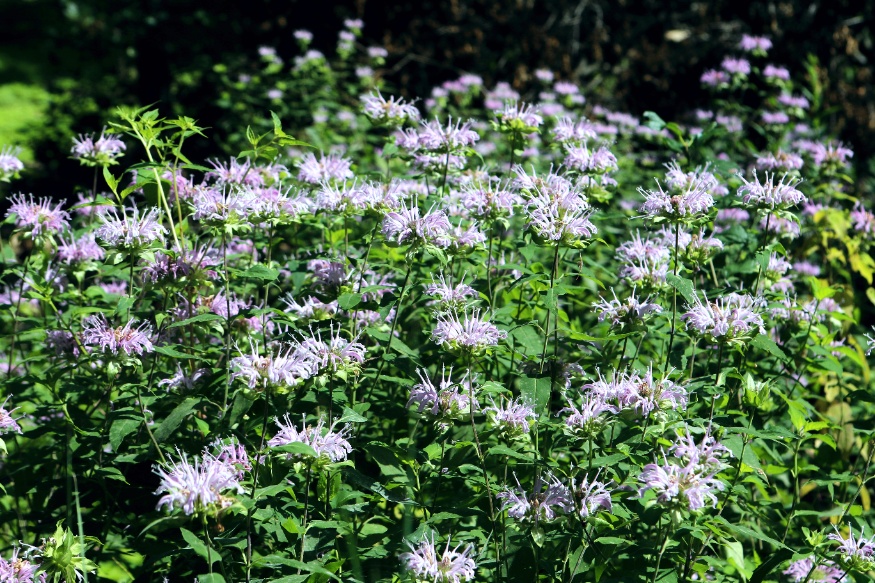
Bee balm (Monarda fistulosa and related species) is a vibrant perennial herb native to North America, commonly found in prairies, open woods, and along roadsides. It belongs to the mint family and is known for its aromatic foliage and striking clusters of tubular flowers that range in color from lavender to deep red.
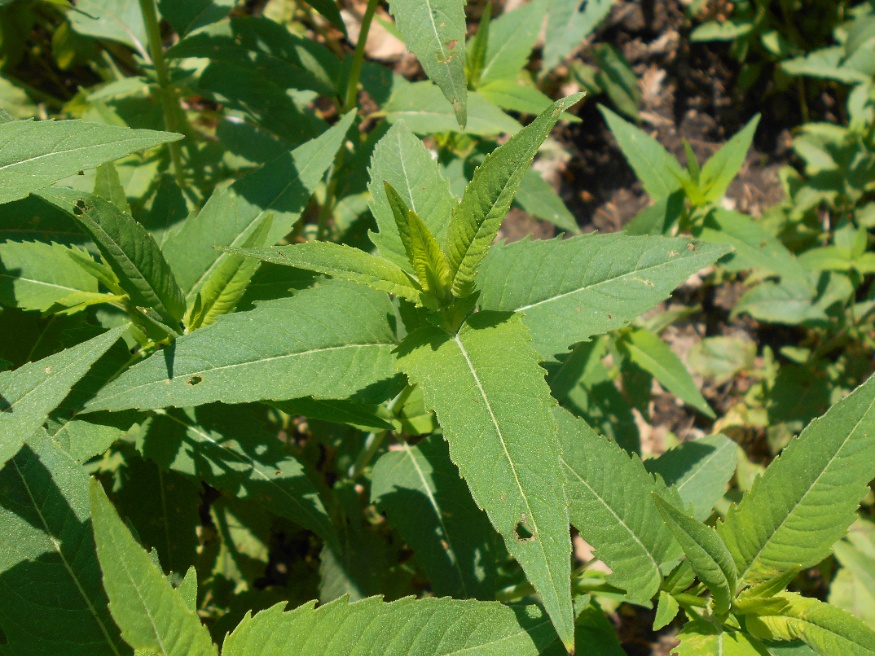
The plant grows upright, often reaching one meter or more in height, with square stems and opposite leaves typical of the mint family. When crushed, the leaves release a strong, spicy fragrance. Bee balm is especially valued for its role in supporting pollinators, attracting bees, butterflies, and hummingbirds throughout the summer.
Historically, bee balm was widely used by Indigenous peoples and later by settlers as both a medicinal and culinary herb. It gained popularity as a tea substitute during times when traditional tea was unavailable, leading to the name “Oswego tea.”
Medicinally, bee balm is known for its antimicrobial and aromatic properties. It has been used to support digestion, ease colds, and soothe sore throats. Similar to herbs like peppermint and sage, it bridges culinary and medicinal uses effectively.
Traditional Use
Folk Use
Bee balm has long been used in traditional medicine as a warming and aromatic herb. Teas made from the leaves and flowers were commonly used to treat colds, fevers, and digestive issues. Its antimicrobial properties made it especially useful for infections and sore throats.
It was also used externally as a poultice for wounds and skin infections. The plant’s strong scent and active compounds contributed to its reputation as a cleansing herb.
In cultural traditions, bee balm was valued for its uplifting aroma and its ability to support overall well-being. It was often included in herbal blends alongside plants like yarrow.
Chinese Medicine
Special Chemistry
Bee balm contains thymol and other volatile oils that contribute to its antimicrobial and aromatic qualities. These compounds are similar to those found in thyme and other strongly scented herbs.
It is often combined with herbs like thyme for respiratory support.
Bee balm is generally safe, though strong preparations may be irritating for sensitive individuals. Moderate use is recommended.
Combinations
Precautions
| Medicinal Species | Monarda fistulosa |
|---|---|
| Tastes | acrid/pungent |
| Organ Systems | digestive, respiratory |
| Thermal Nature | warm |
| Moisture | drying |
| Parts Used | leaves, flowers |
| Preparations | tea/infusion, tincture |
| Organs and Tissue | lungs |
Growing Guide
Bee balm prefers full sun to partial shade and thrives in rich, well-drained soil with consistent moisture. It benefits from good air circulation to reduce the risk of powdery mildew, a common issue with this plant.
Propagation can be done through seeds, division, or cuttings. Dividing established clumps every few years helps maintain vigor and prevents overcrowding.
Regular watering and occasional thinning will keep plants healthy. For best results when establishing new plants, see planting mail order seedlings. Bee balm can spread readily and form attractive colonies over time.