About This Plant
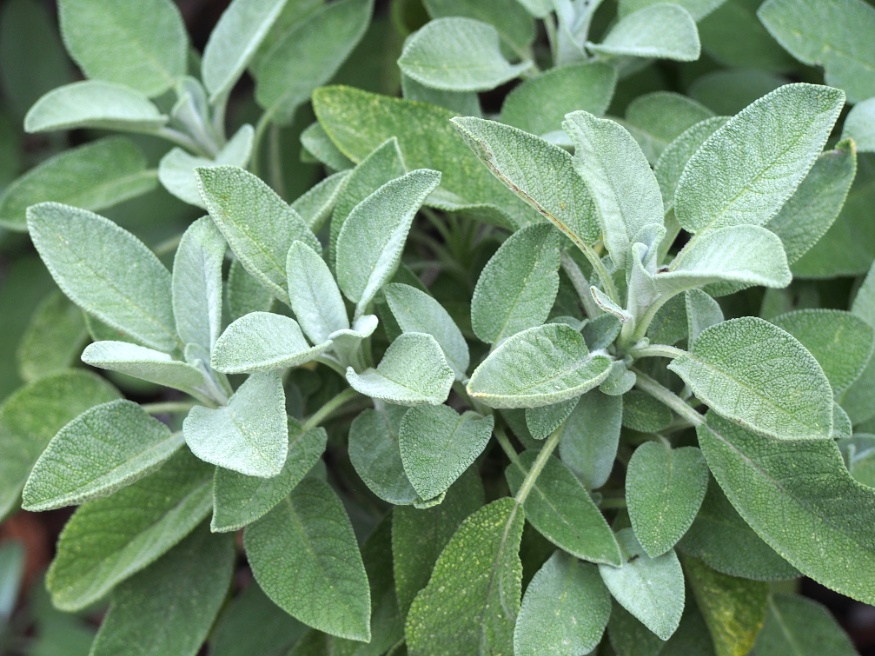
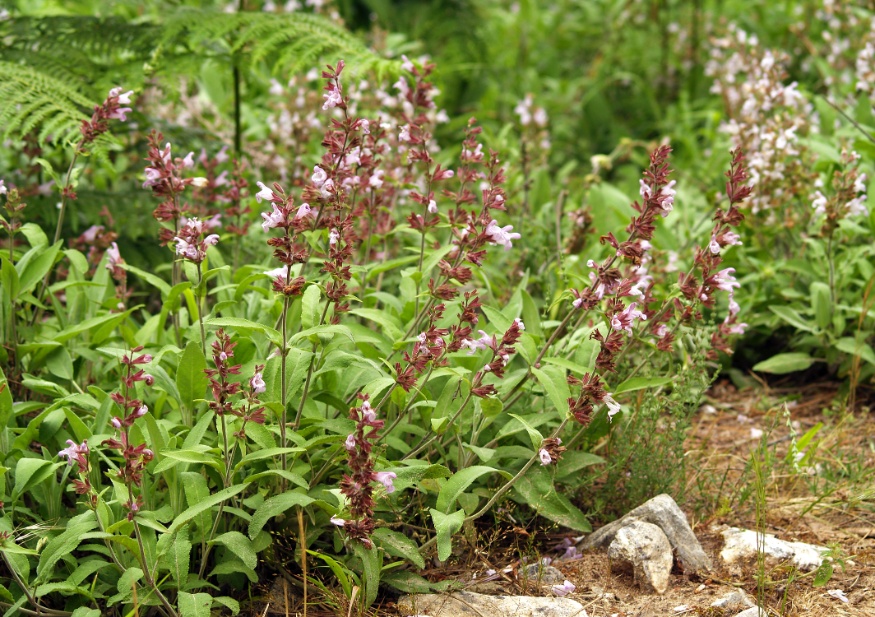
Sage (Salvia officinalis) is a well-known aromatic herb that forms a small, woody-based shrub with soft, gray-green leaves. The foliage has a slightly fuzzy texture and a strong, earthy fragrance that becomes more pronounced when touched. In early summer, the plant produces spikes of purple to blue flowers that attract pollinators.
Native to the Mediterranean region, sage is well adapted to dry, sunny environments with well-drained soil. It thrives in conditions that mimic its natural habitat, making it a reliable and low-maintenance plant in suitable gardens. Over time, the base of the plant becomes woody, giving it a semi-shrubby form.
Sage has a long history of use as both a culinary and medicinal herb. Its leaves have been valued for their flavor and preservative qualities, as well as their traditional role in supporting digestion and overall health.
With its resilience, distinctive aroma, and long-standing cultural significance, sage remains a staple in herb gardens and a bridge between culinary and medicinal traditions.
Traditional Use
Folk Use
Chinese Medicine
Combinations
Precautions
| Medicinal Species | Salvia officinalis |
|---|---|
| Tastes | bitter, acrid/pungent |
| Organ Systems | digestive, respiratory, nervous |
| Thermal Nature | warm |
| Moisture | drying |
| Parts Used | leaves |
| Preparations | oil, tea/infusion, tincture |
| Organs and Tissue | lungs |