About This Plant
Anise hyssop (Agastache foeniculum) is a fragrant perennial herb native to North America, valued for both its ornamental beauty and medicinal qualities. Despite its name, it is not closely related to true hyssop but belongs to the mint family (Lamiaceae), sharing characteristics such as square stems and opposite leaves. It is commonly found growing in prairies, open woodlands, and along field edges, where it thrives in well-drained soils and full sun.
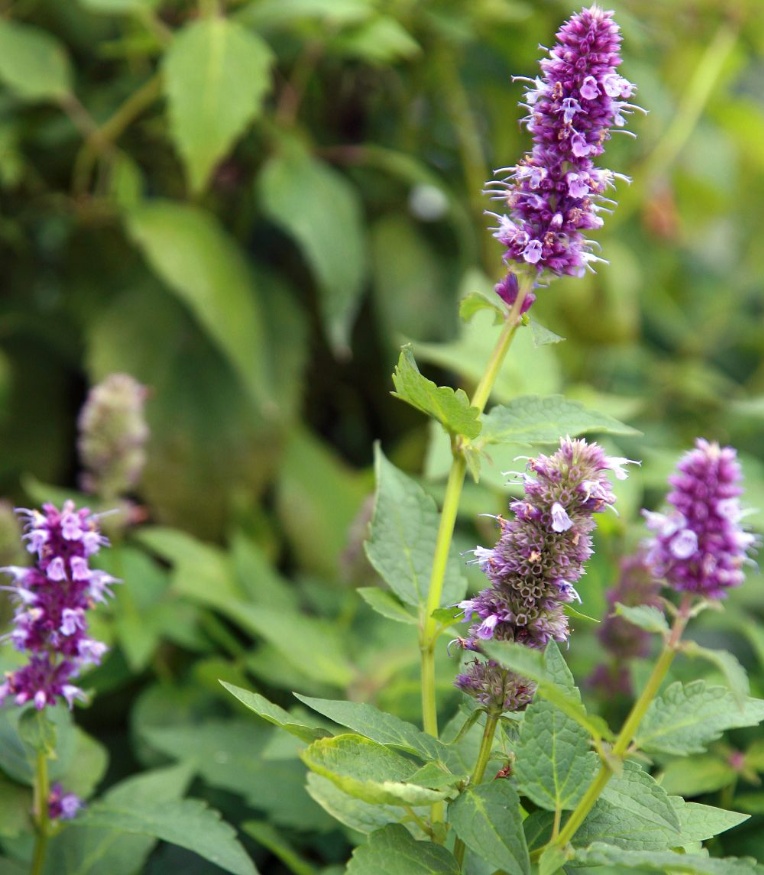
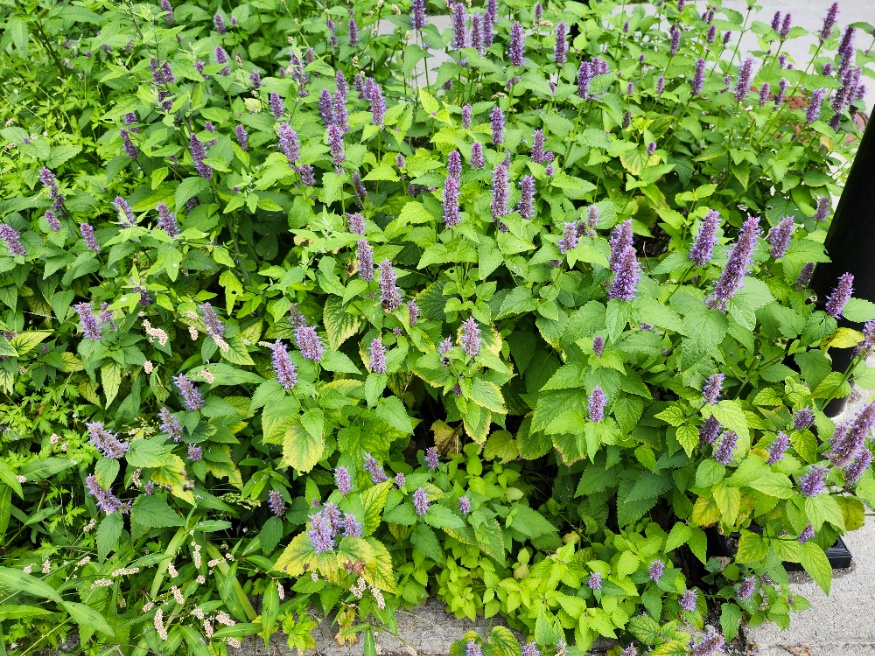
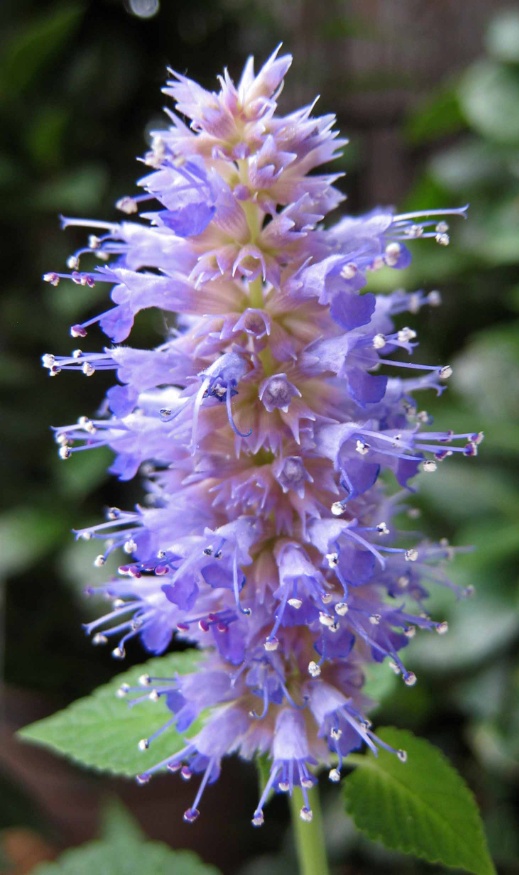
The plant is easily recognized by its tall spikes of purple flowers and its soft green leaves that release a sweet, licorice-like aroma when crushed. Blooming throughout the summer, it attracts a wide variety of pollinators, including bees and butterflies, making it an excellent addition to ecological gardens. Its upright growth habit and long flowering period also make it a popular choice in ornamental plantings.
Historically, anise hyssop was used by Indigenous peoples as a medicinal and culinary herb. Leaves were brewed into teas to support respiratory health and soothe coughs, while also serving as a pleasant-tasting beverage. The plant has a gentle, calming effect and is often used similarly to herbs like lemon balm or catnip.
Edible uses include fresh leaves in salads, teas, and desserts, where its sweet flavor adds complexity. Medicinally, it is considered a mild digestive aid and calming nervine. Its versatility as both a culinary and healing herb makes it a valuable addition to herb gardens focused on both utility and biodiversity.
Traditional Use
Folk Use
Chinese Medicine
Combinations
Precautions
| Medicinal Species | Agastache foeniculum |
|---|---|
| Tastes | sweet |
| Organ Systems | digestive, respiratory, nervous |
| Thermal Nature | warm |
| Moisture | drying |
| Parts Used | leaves, flowers |
| Preparations | tea/infusion, tincture |
| Organs and Tissue | lungs |
Growing Guide
Anise hyssop is relatively easy to grow and adapts well to a variety of conditions, though it prefers full sun and well-drained soil. It tolerates drought once established but performs best with moderate watering. Seeds can be sown directly in spring or started indoors, and they typically germinate readily without special treatment.
The plant benefits from occasional pruning to encourage bushier growth and extended flowering. Deadheading can help prolong bloom time, though allowing some flowers to go to seed will encourage natural reseeding. It is generally hardy and resistant to pests and diseases.
When establishing new plantings, following guidance such as preparing to grow wild plant seeds can improve success rates. Once established, anise hyssop can naturalize and return reliably each year.