About This Plant
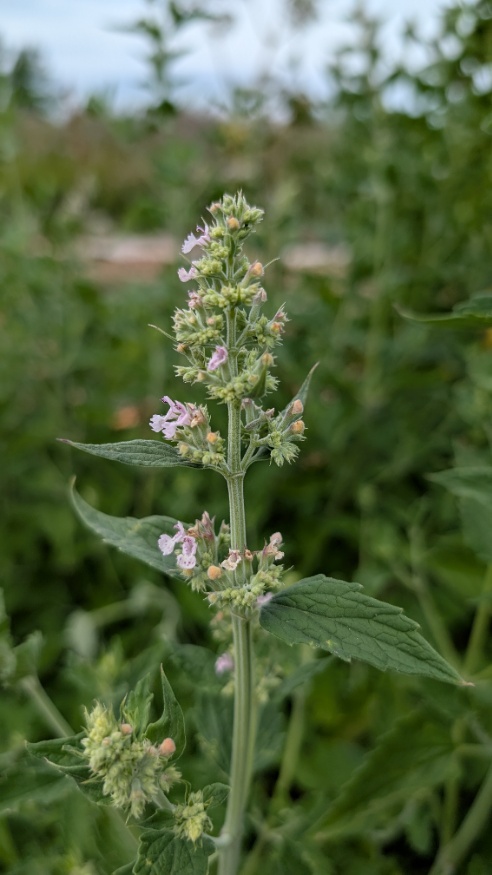
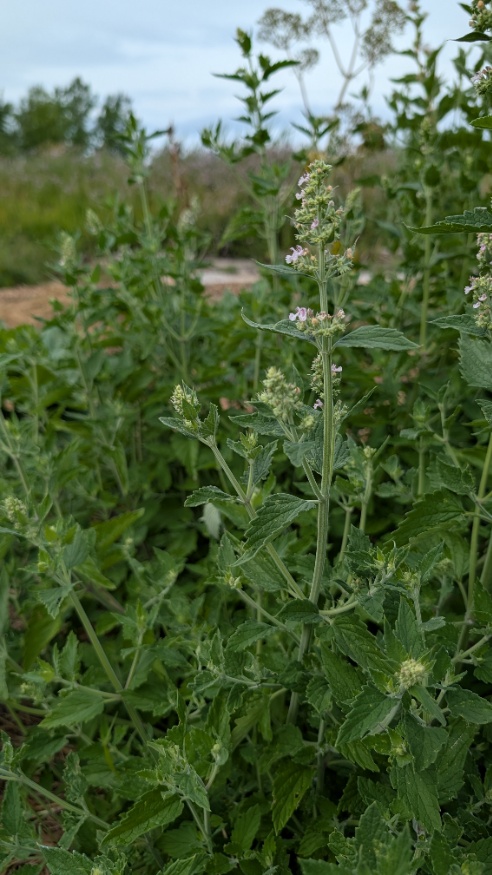
Catnip (Nepeta cataria) is a hardy perennial herb known for its soft, gray-green leaves and small clusters of pale purple flowers. The plant has a slightly fuzzy texture and releases a distinctive aroma when touched, a scent that is famously attractive to cats.
It grows readily in a wide range of conditions, often appearing in fields, roadsides, and disturbed areas. Catnip prefers well-drained soil and full sun but can tolerate partial shade. Once established, it may spread through self-seeding and become a persistent presence in the garden.
In addition to its well-known effect on cats, catnip has a long history of use as a gentle medicinal herb. It has been valued for its calming and digestive-supporting qualities, often prepared as a tea.
With its resilience, aromatic foliage, and dual role as both a medicinal and companion plant, catnip offers a balance of practicality and charm in both cultivated and natural settings.
Traditional Use
Folk Use
Chinese Medicine
Combinations
Precautions
| Medicinal Species | Nepeta cataria |
|---|---|
| Tastes | bitter, acrid/pungent |
| Organ Systems | digestive, respiratory, nervous |
| Thermal Nature | warm |
| Moisture | drying |
| Parts Used | leaves, flowers |
| Preparations | tea/infusion, tincture |
| Organs and Tissue | lungs, stomach, brain |