About This Plant
European barberry (Berberis vulgaris) is a hardy, deciduous shrub known for its arching branches, sharp spines, and clusters of bright red berries. Long valued for both its ornamental appeal and medicinal properties, it has a deep-rooted history in traditional herbal practices across Europe and Asia.
This shrub is native to Europe and parts of Asia, where it grows along hillsides, forest edges, and open landscapes. It thrives in well-drained soils and tolerates a wide range of conditions, including drought and poor soils. Its adaptability has allowed it to naturalize in many regions beyond its native range.
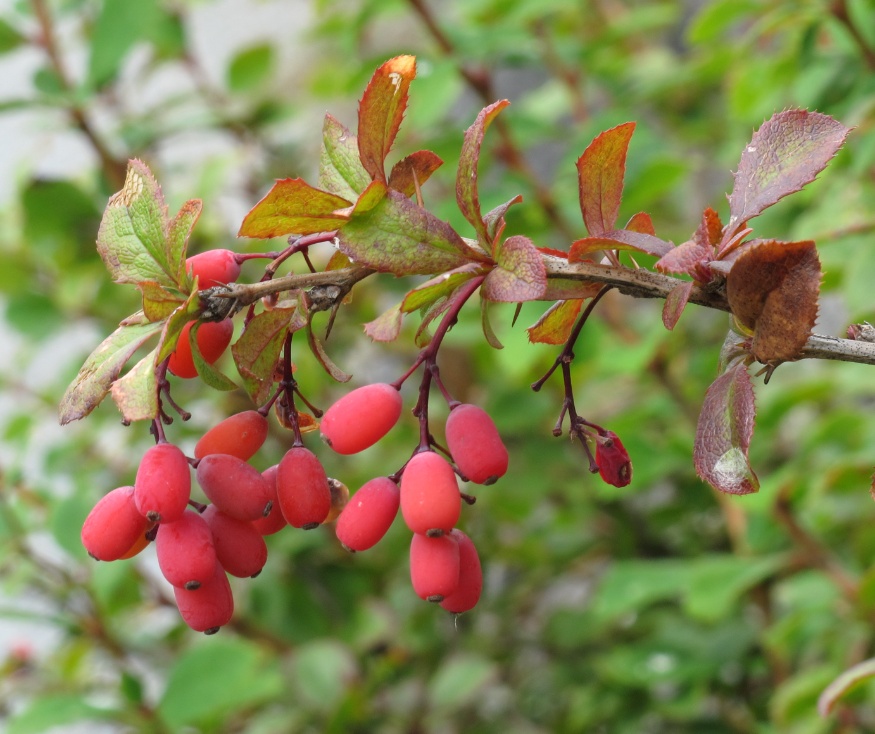
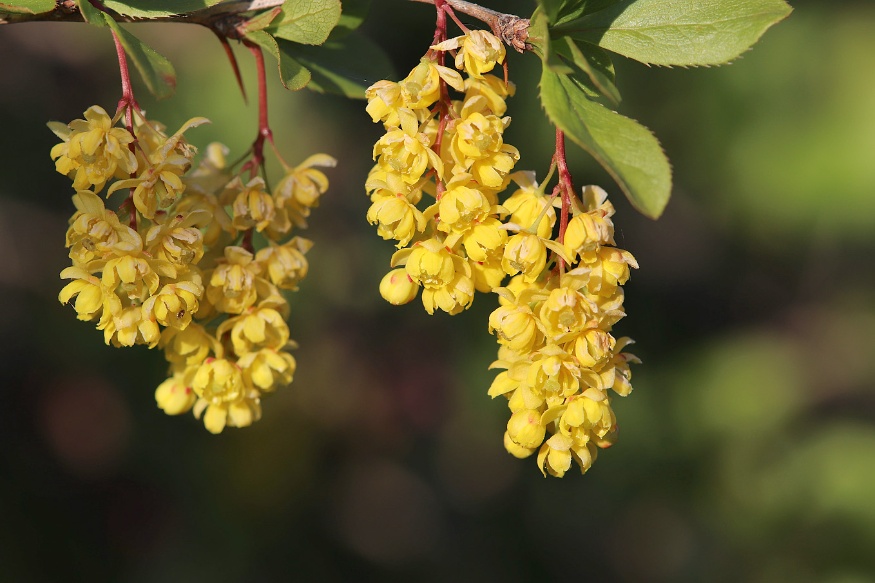
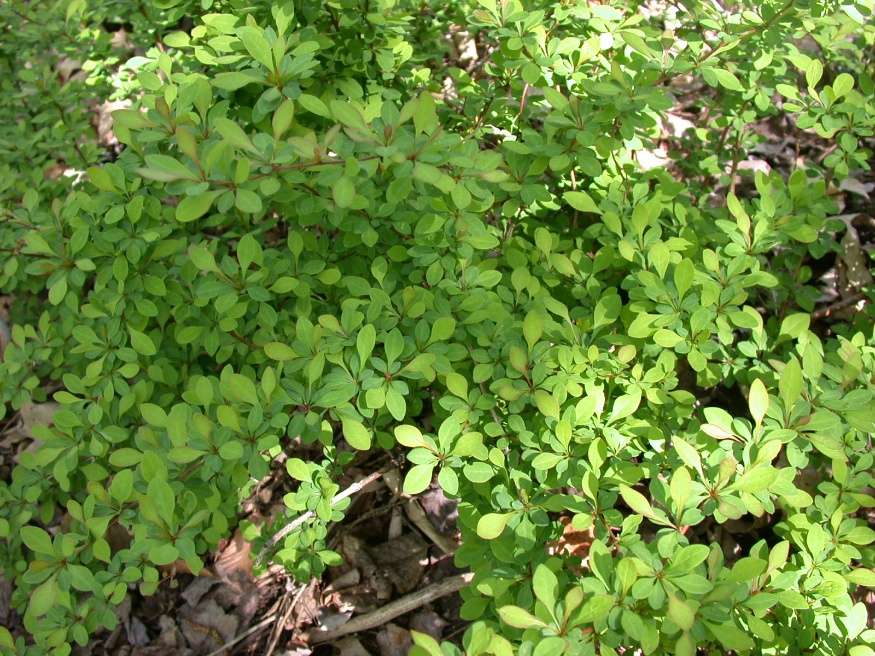
European barberry is easily recognized by its spiny branches, small oval leaves, and yellow flowers that appear in spring. These flowers develop into elongated clusters of red berries, which persist into late summer and fall. The inner bark and roots reveal a distinctive yellow color, indicative of its medicinal compounds.
Historically, barberry has been used in both food and medicine. The tart berries have been incorporated into traditional dishes, while the root bark has been prized for its strong effects on digestion and liver health. It has also been used as a dye due to its vibrant yellow pigment.
Medicinally, European barberry is best known for its high content of berberine, a compound with significant antimicrobial and anti-inflammatory properties. It is often used to support liver function, stimulate digestion, and address infections. The berries, while milder, provide nutritional benefits and are sometimes used as a tonic. This combination of culinary and medicinal value makes barberry a versatile and historically important plant.
Traditional Use
Folk Use
European barberry has a long tradition of use in herbal medicine, particularly for digestive and liver-related conditions. The root bark is rich in bitter compounds and has been used to stimulate digestion and support liver function.
The berries, which are edible and high in vitamin C, have been used in culinary applications as well as medicinally to support immune health. The plant has also been used traditionally for infections due to its antimicrobial properties.
Chinese Medicine
While European barberry itself is not a primary herb in traditional Chinese medicine, related species containing berberine are widely used. These herbs are considered strongly cooling and drying, used to clear heat, dampness, and toxicity from the body.
They are often applied in conditions involving infection, inflammation, and digestive imbalance, particularly where there is excess heat in the liver or intestines.
Special Chemistry
European barberry contains berberine, a powerful alkaloid with antimicrobial, anti-inflammatory, and liver-supportive properties. This compound is responsible for much of the plant's medicinal activity.
Signature
The bright yellow inner bark reflects its strong action on the liver and bile, traditionally associated with clearing heat and supporting detoxification.
Combinations
Precautions
Berberine-containing plants should be used with caution, particularly during pregnancy or with long-term use. High doses may cause digestive irritation. Professional guidance is recommended for therapeutic use.
| Medicinal Species | Berberis vulgaris, Berberis aquifolium |
|---|---|
| Tastes | bitter, sour |
| Organ Systems | digestive, hepatobiliary (liver & gallbladder), immune/lymphatic |
| Thermal Nature | cool |
| Moisture | drying |
| Parts Used | roots, inner bark, berries |
| Preparations | decoction, extract, tincture |
| Organs and Tissue | small intestine, large intestine, liver, gallbladder, blood |
Growing Guide
European barberry is a hardy shrub that prefers full sun to partial shade and well-drained soil. It tolerates a wide range of soil conditions, including poor and rocky soils, and is drought tolerant once established.
Seeds require cold moist stratification for successful germination, typically over several months. Propagation can also be done through hardwood cuttings taken in late fall or winter.
This shrub is easy to grow and maintain, often used in hedging or naturalized plantings. It can tolerate pruning well, making it suitable for shaping and containment.