About This Plant

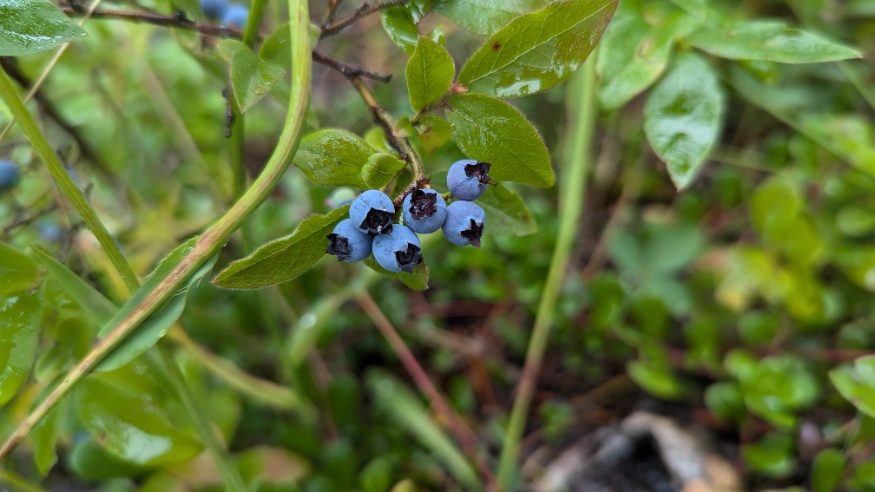
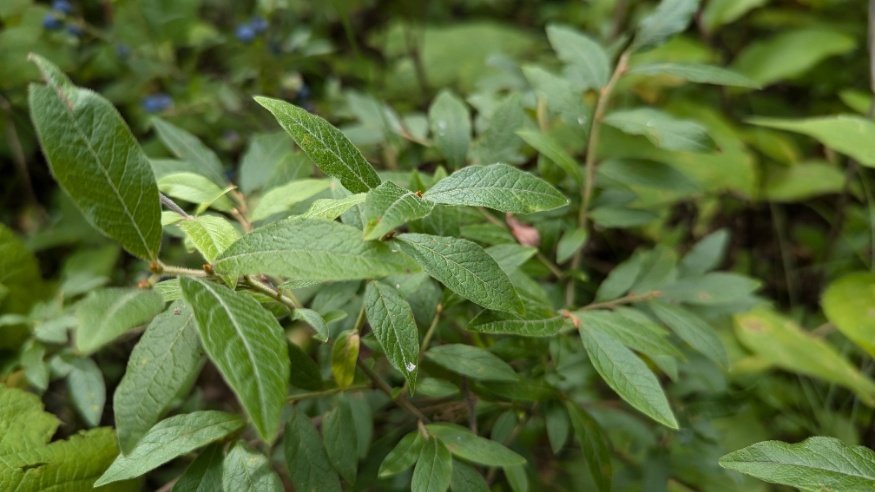
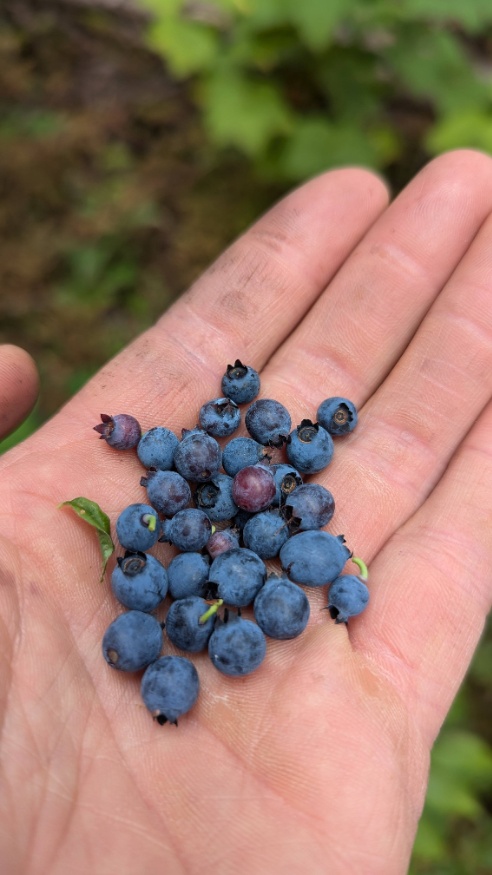
Blueberries (Vaccinium spp.) are deciduous shrubs found in forest edges, understories, bogs, and upland sites across temperate regions of North America, Europe, and Asia. They range from low-growing groundcover types to upright shrubs reaching over six feet tall. The plants produce small, bell-shaped flowers in spring, followed by clusters of sweet, round berries in summer. The berries are highly nutritious and favored by birds and mammals, which help disperse seeds.

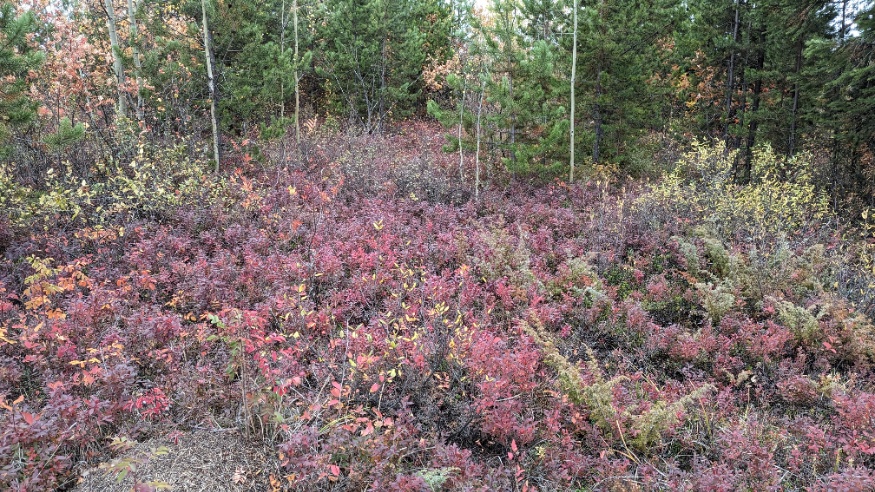
Blueberries prefer acidic, moist soils and partial to full sunlight. They spread slowly via underground rhizomes and can form loose colonies over time. Their leaves provide fall color and winter interest, while the fruit provides both culinary and ecological value. Cultivated varieties are grown for fruit production, while wild species are valued for their hardiness and ecological contributions. Blueberries are long-lived, hardy plants that support pollinators, wildlife, and human nutrition while thriving in both natural and managed landscapes.

Traditional Use

Folk Use

Blueberries have been used by Indigenous peoples of North America for centuries as both a food and medicine. The berries were eaten fresh, dried, or cooked into meals and preserves, providing essential nutrients during winter months. Leaves and roots were used to make teas and decoctions to treat digestive upset, urinary tract complaints, and mild inflammation. The fruits were valued for their high antioxidant content and were sometimes applied topically to minor wounds or skin irritations. Folk traditions recognized blueberries for their gentle yet effective role in supporting overall health, digestive balance, and blood sugar regulation. Because the plants grow abundantly in forests and bogs, they were easily harvested for both nutrition and medicinal use.

Chinese Medicine

Blueberries are not part of classical Chinese medicine, but their actions resemble those of mild cooling and astringent herbs that nourish the Liver, Kidney, and Blood systems. The berries are slightly sweet and sour, supporting urinary tract health, circulation, and digestive function. They are thought to help stabilize and tone tissues while providing antioxidants that protect organs from oxidative stress. Leaf infusions can be used to aid digestion and support mild urinary discomfort. In modern herbal practice, blueberries are often included in formulas aimed at circulatory support, detoxification, and general tissue nourishment, emphasizing their nutritive and protective qualities rather than strong medicinal potency.

Special Chemistry

Blueberries contain anthocyanins, flavonoids, tannins, and vitamin C, contributing to antioxidant, anti-inflammatory, and astringent effects. Leaves contain phenolic compounds that support mild medicinal uses.

Signature

The small, round, dark berries resemble clusters of energy and nourishment, reflecting the plant's role in supporting internal balance and vitality. The foliage turns vibrant shades in fall, symbolizing seasonal renewal and resilience.

Combinations

Blueberries pair well with other berries such as elderberry, raspberry, and cranberry in medicinal preparations. Leaf infusions can be combined with raspberry leaf, nettle, or dandelion for urinary and digestive support. Berries can be blended with rosehip or hibiscus for antioxidant-rich teas.

Precautions

Generally safe as a food and mild herbal remedy. Individuals on anticoagulant medications should exercise moderation due to potential effects on blood thinning. Avoid excessive consumption of concentrated extracts.

Medicinal SpeciesVaccinium angustifolium, Vaccinium corymbosum, Vaccinium myrtilloides, Vaccinium vitis-idaea, Vaccinium macrocarpon
Tastessweet, sour, astringent
Organ Systemscirculatory, digestive, urinary, nervous, integumentary (skin, hair, nails)
Thermal Naturecool
Moisturemoistening
Parts Usedroots, leaves, berries
Preparationsdecoction, tea/infusion, tincture, powder, syrup
Organs and Tissuestomach, small intestine, kidneys, mucosa, blood

Growing Guide

Blueberries (Vaccinium spp.) grow best in acidic, well-drained soils with consistent moisture. They thrive in full sun but tolerate partial shade, especially in hotter climates. Plant blueberries in rich, organically amended soil and mulch to conserve moisture and reduce weeds. They spread slowly by underground rhizomes or can be propagated by cuttings. Cold moist stratification of seeds improves germination. Prune annually to encourage new growth, improve airflow, and maintain fruit production. Once established, blueberry bushes are hardy and long-lived, providing both edible fruit and ecological benefits such as pollinator attraction and wildlife habitat.