About This Plant
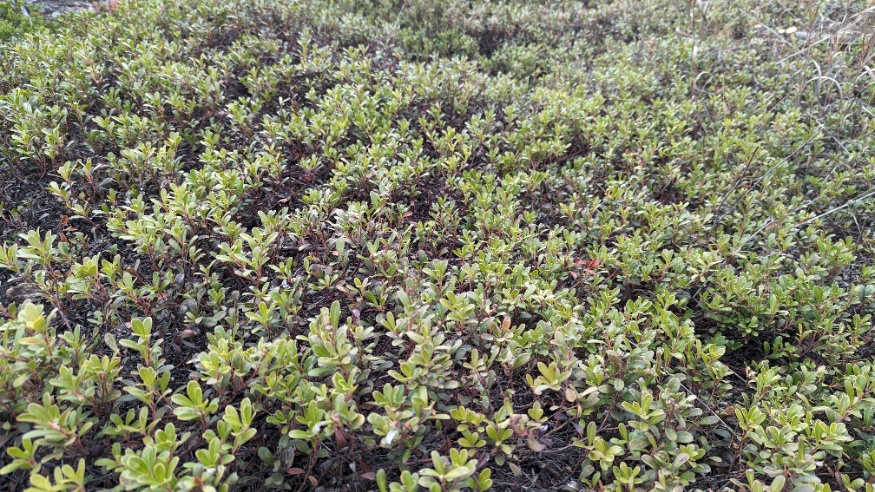
Bearberry (Arctostaphylos uva-ursi) is a low-growing evergreen shrub commonly found in northern climates across North America, Europe, and Asia. It thrives in sandy or rocky soils, often in open forests, alpine regions, and coastal dunes. Its creeping growth habit forms dense mats that help stabilize soil, making it an important ecological species in fragile environments.
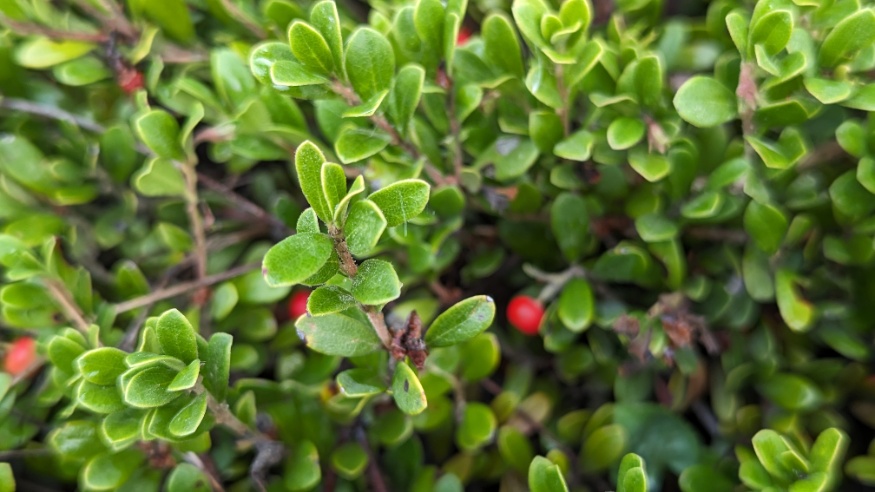
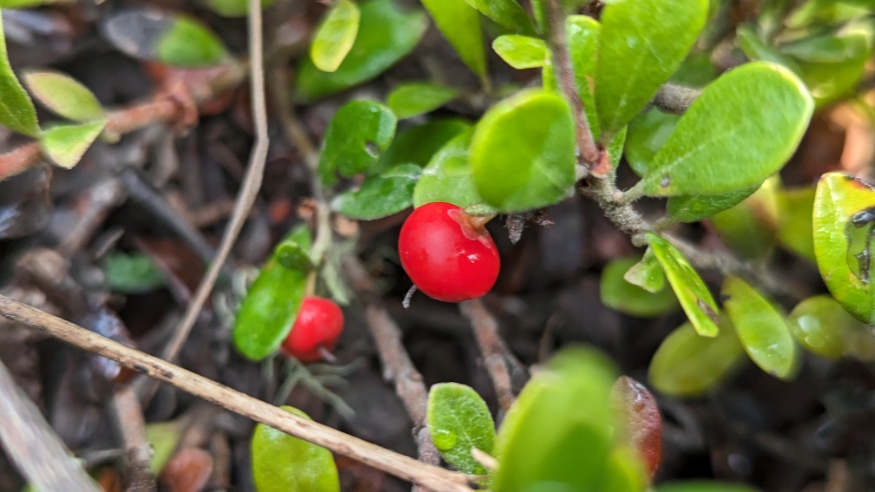
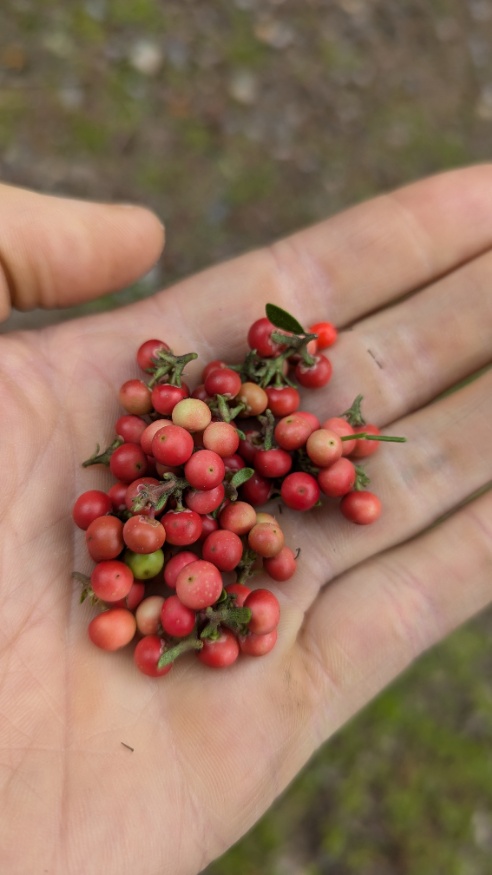
The plant is characterized by its small, leathery leaves, pink bell-shaped flowers, and bright red berries that persist into winter. These berries are a food source for wildlife, particularly bears—hence the common name. Bearberry is closely related to other Ericaceae family members such as blueberry and cranberry, sharing similar habitat preferences.
Historically, bearberry has been used extensively in traditional medicine, particularly by Indigenous peoples. The leaves were dried and used in teas or smoking blends, often combined with other plants. Its primary medicinal use is as a urinary antiseptic, helping to support bladder and kidney health.
While the berries are technically edible, they are generally bland and mealy, making them less desirable for human consumption. However, the leaves remain highly valued in herbal medicine for their astringent and antimicrobial properties.
Traditional Use
Folk Use
Bearberry has a strong tradition in folk medicine as a remedy for urinary tract issues. The leaves were commonly prepared as teas or decoctions to help address infections and inflammation in the urinary system. Its astringent nature made it useful for toning tissues and reducing irritation.
In addition to medicinal use, bearberry leaves were often included in traditional smoking mixtures, sometimes combined with plants like mugwort or yarrow. These blends were used ceremonially or for relaxation.
Its role extended beyond medicine into cultural practices, where it was valued for both its physical and symbolic properties. This dual use reflects a broader understanding of plants as both healing agents and part of daily life.
Chinese Medicine
Special Chemistry
Bearberry contains arbutin, a compound that breaks down into hydroquinone, contributing to its antimicrobial effects in the urinary tract. It also contains tannins, which provide astringent properties.
Due to its potency, bearberry is typically used short-term rather than as a daily tonic. It may be combined with soothing herbs like marshmallow to balance its astringency.
Excessive use may irritate the digestive system, and it is generally avoided during pregnancy. Proper dosage and moderation are important when working with this plant.
Signature
Combinations
Precautions
| Medicinal Species | Arctostaphylos uva-ursi |
|---|---|
| Tastes | bitter, astringent |
| Organ Systems | digestive, urinary, immune/lymphatic |
| Thermal Nature | cool |
| Moisture | drying |
| Parts Used | leaves, berries |
| Preparations | tea/infusion, tincture, capsule, powder, wash |
| Organs and Tissue | gallbladder, kidneys, mucosa |
Growing Guide
Bearberry prefers well-drained, acidic soils and full sun to partial shade. It is particularly well suited to sandy or rocky sites where other plants may struggle. Once established, it is highly drought-tolerant and requires minimal maintenance.
Propagation can be done through seeds, cuttings, or division, though seeds may require stratification for best results. Because of its slow growth, patience is required when establishing new plantings.
Bearberry is an excellent groundcover for erosion control and natural landscaping. For guidance on establishing native plants, see planting mail order seedlings. Once established, it can persist for many years with little intervention.