,_Hopkinton,_RI_(31355831883).jpg)
About This Plant
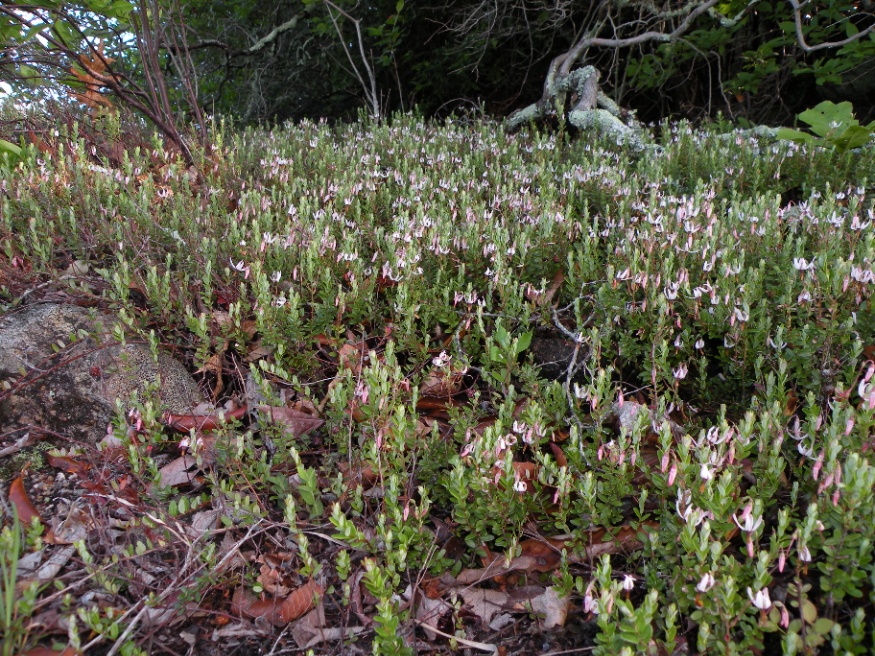
Cranberries (Vaccinium oxycoccos, V. macrocarpon) are low-growing, evergreen shrubs native to wetlands and bogs of North America, Europe, and Asia. They form creeping mats of slender stems with small evergreen leaves. In late spring, tiny pink or white flowers appear, followed by tart red berries in late summer to fall. Cranberries thrive in acidic, wet soils with full sun and are adapted to cold climates, hardy to zone 2. They are harvested for food, traditional medicine, and ecological restoration, supporting pollinators, wildlife, and soil health while offering nutrient-rich fruit for human consumption.
Traditional Use
Folk Use
Cranberries have been used for food, medicine, and dye by Indigenous peoples in North America. Fresh or dried berries were eaten, cooked into sauces, or stored for winter. They were traditionally used to support urinary tract health, aid digestion, reduce inflammation, and prevent scurvy due to high vitamin C content. Decoctions or teas made from berries or leaves were taken to treat minor urinary infections or digestive complaints. The tart berries were also used externally to soothe mild skin irritations.
Chinese Medicine
Cranberries are considered slightly sour and cool in modern herbal practice, supporting the Kidney and Urinary systems. They may help clear mild heat from the urinary tract, support circulation, and provide digestive protection. Leaf infusions can calm irritation, while berry decoctions provide antioxidant and tissue-toning benefits.
Special Chemistry
Rich in anthocyanins, flavonoids, vitamin C, and organic acids, which contribute antioxidant, anti-inflammatory, and astringent effects.
Signature
Low-growing, spreading mats with bright red berries symbolize persistence, nourishment, and seasonal abundance.
Combinations
Cranberries combine well with blueberries, elderberries, raspberry, or rosehip for urinary and digestive support.
Precautions
Generally safe; may be too acidic for sensitive stomachs. Excessive consumption of concentrated extracts can cause mild gastrointestinal upset.
| Medicinal Species | Vaccinium oxycoccos, Vaccinium macrocarpon |
|---|---|
| Tastes | sweet, sour, astringent |
| Organ Systems | circulatory, digestive, urinary, integumentary (skin, hair, nails) |
| Thermal Nature | cool |
| Moisture | moistening |
| Parts Used | stems, leaves, berries |
| Preparations | decoction, tea/infusion, tincture, powder, syrup |
| Organs and Tissue | stomach, small intestine, kidneys, mucosa, blood |
Growing Guide
Cranberries grow in acidic, wet soils such as bogs or marshes. They prefer full sun and consistently moist conditions, often with peat or sandy substrates. Propagate by cuttings, runners, or cold-stratified seeds. Plants spread via creeping stems and form dense mats over time. Mulch and maintain water levels to mimic natural bog conditions. Hardy to zone 2, cranberries require minimal maintenance once established and are valued for edible fruit, wildlife habitat, and soil stabilization.