About This Plant
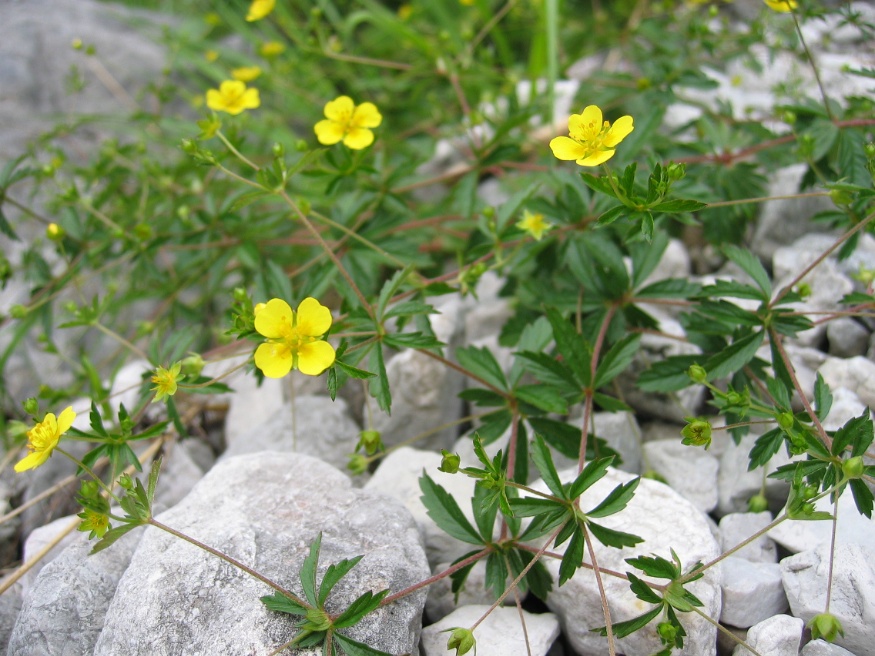
Tormentil is a modest but highly valued herbaceous plant, known for its small yellow flowers and powerful medicinal root. Native to Europe and parts of Asia, it thrives in open meadows, upland pastures, and forest edges where soils are often poor and well drained. Despite its unassuming appearance, this plant has earned a strong reputation in traditional herbal medicine for its potency and reliability.
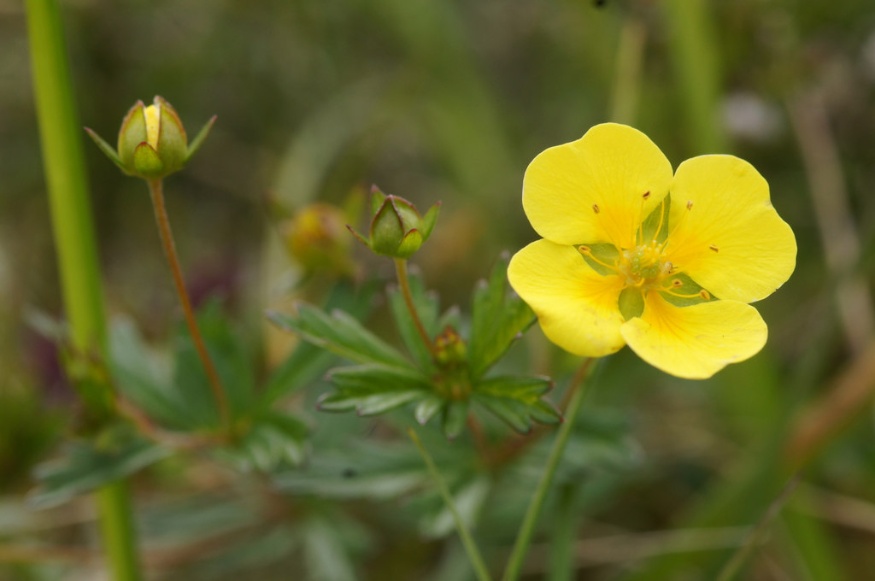
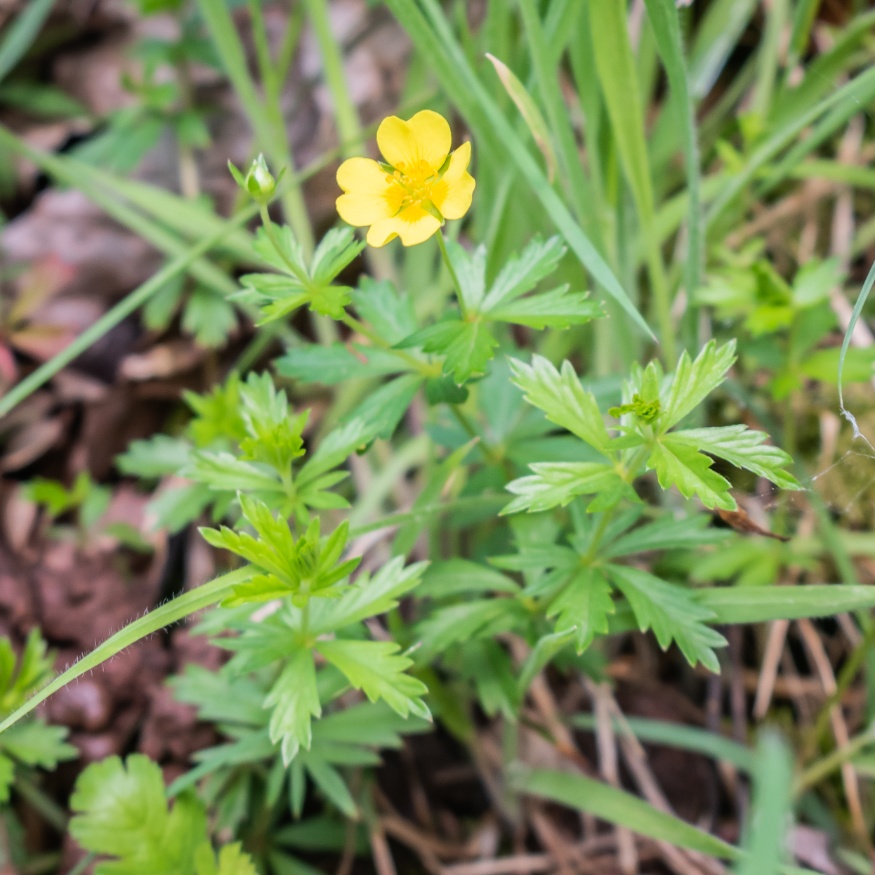
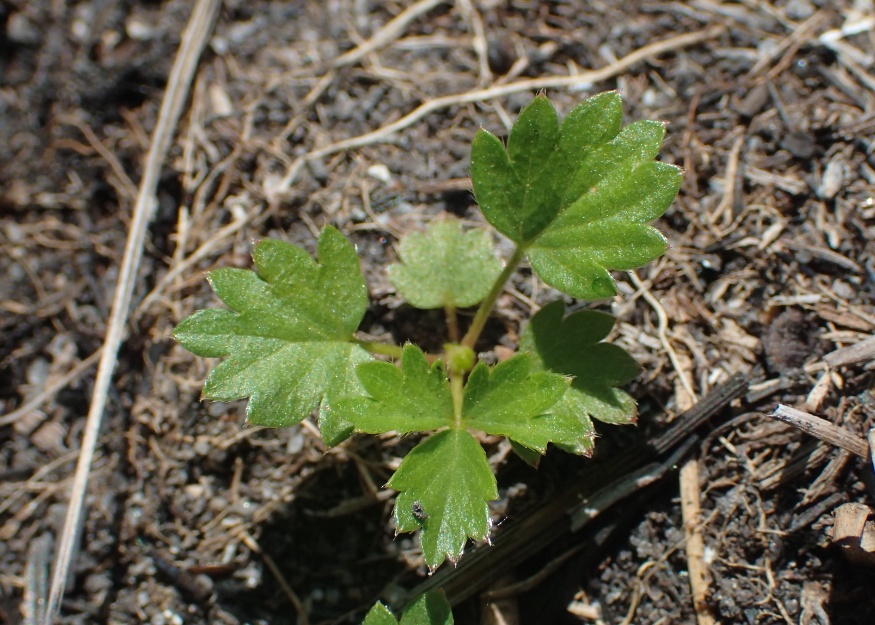
Growing low to the ground, tormentil forms small clumps of slender stems with divided leaves and bright yellow, four-petaled flowers. It is hardy to zone 3 and well adapted to cooler climates, often appearing in landscapes where other plants struggle. Its preference for slightly acidic, sandy soils allows it to establish in a variety of natural settings.
Historically, tormentil was widely used throughout Europe, particularly during times when gastrointestinal illness was common. Its root, rich in tannins, became a staple remedy for digestive issues, bleeding, and inflammation. It was also valued as a dye plant, producing a red pigment used in textiles.
Medicinally, tormentil is best known for its astringent action. The root is used to tone tissues, reduce inflammation, and support digestive health, particularly in cases of diarrhea or irritation of the gut lining. Externally, it is applied to wounds and skin conditions to promote healing and reduce infection.
Though not as widely used today as some herbs, tormentil remains an important plant in traditional herbalism, valued for its strength and effectiveness in addressing conditions involving excess moisture and tissue weakness.
Traditional Use
Folk Use
Tormentil has a long history of use in European herbal medicine as a powerful astringent. The root was commonly used to treat diarrhea, dysentery, and gastrointestinal inflammation, where its drying and tightening effects helped restore balance.
Externally, it was applied to wounds, ulcers, and inflamed skin to reduce bleeding and promote healing. Its strong action made it particularly valued in times when infections and digestive disorders were common and difficult to manage.
It was also used in mouth rinses for sore gums and throat infections, reflecting its affinity for mucous membranes and its ability to tone and protect tissues.
Chinese Medicine
Tormentil is not traditionally used in Chinese medicine, but its strong astringent nature aligns with herbs that secure leakage and dry dampness.
Energetically, it would be considered cooling and drying, making it suitable for conditions involving excess moisture or inflammation in the digestive tract.
Its action on mucosal tissues suggests a role in stabilizing and protecting the body's internal linings.
Special Chemistry
Rich in tannins (particularly tormentil red), which are responsible for its potent astringent and antimicrobial properties.
Signature
The deep red coloration of the root reflects its strong affinity for blood and tissues, particularly its ability to stop bleeding and tighten structures.
Precautions
Excessive use may lead to dryness or constipation due to its strong astringent action.
| Medicinal Species | Potentilla erecta |
|---|---|
| Tastes | bitter, astringent |
| Organ Systems | digestive, immune/lymphatic, integumentary (skin, hair, nails) |
| Thermal Nature | cool |
| Moisture | drying |
| Parts Used | roots |
| Preparations | decoction, tincture, powder |
| Organs and Tissue | large intestine, muscle & connective tissue, mucosa |
Growing Guide
Tormentil prefers well-drained, slightly acidic soils and is commonly found in upland meadows and open woodland edges. Seeds benefit from cold moist stratification and can be sown outdoors in fall or early spring.
This plant grows slowly and develops a modest root system over time, making early establishment important. It thrives in full sun to partial shade and tolerates poorer soils better than many other medicinal herbs.
Once established, tormentil is relatively drought tolerant and low maintenance. Harvesting is typically focused on the roots, which are dug in autumn when their medicinal compounds are most concentrated.