About This Plant
Thyme is a low-growing aromatic herb widely cultivated for its culinary and medicinal uses. Native to the Mediterranean region, it has spread across temperate climates where it thrives in dry, sunny conditions. Its compact growth and resilience make it a common feature in gardens, especially in rock gardens and along pathways.
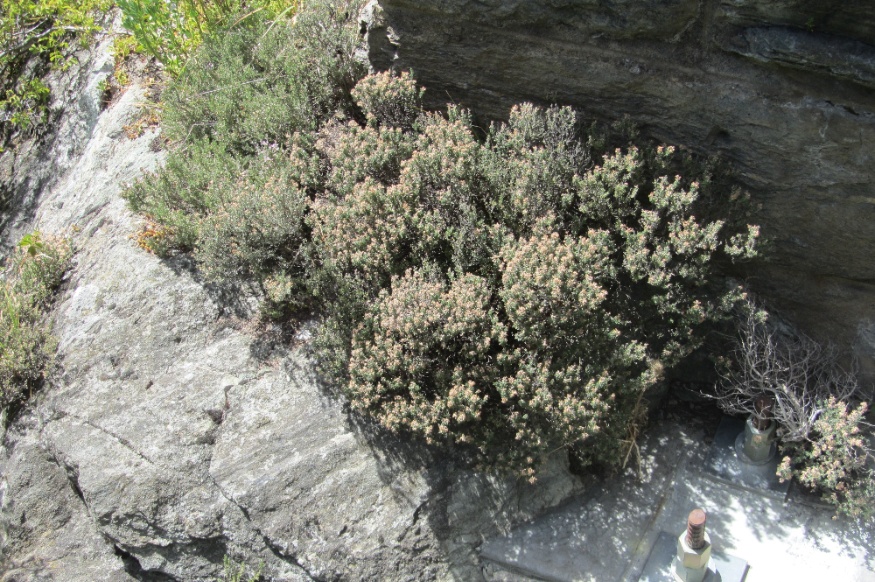
In its natural habitat, thyme grows on rocky slopes, dry hillsides, and open areas with well-drained soils. It is well adapted to environments with limited moisture and high sun exposure, often forming dense mats that help stabilize soil and resist erosion.
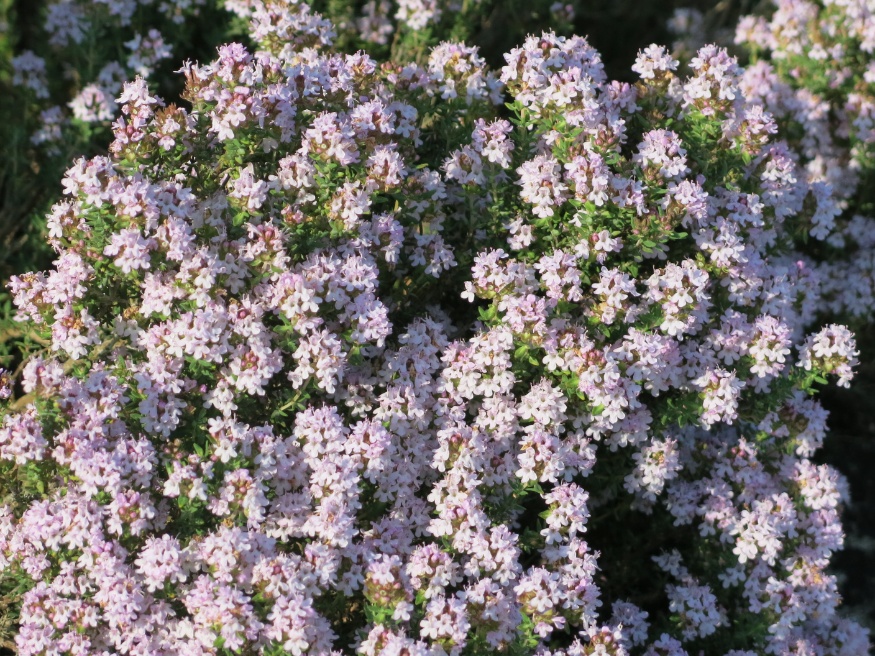
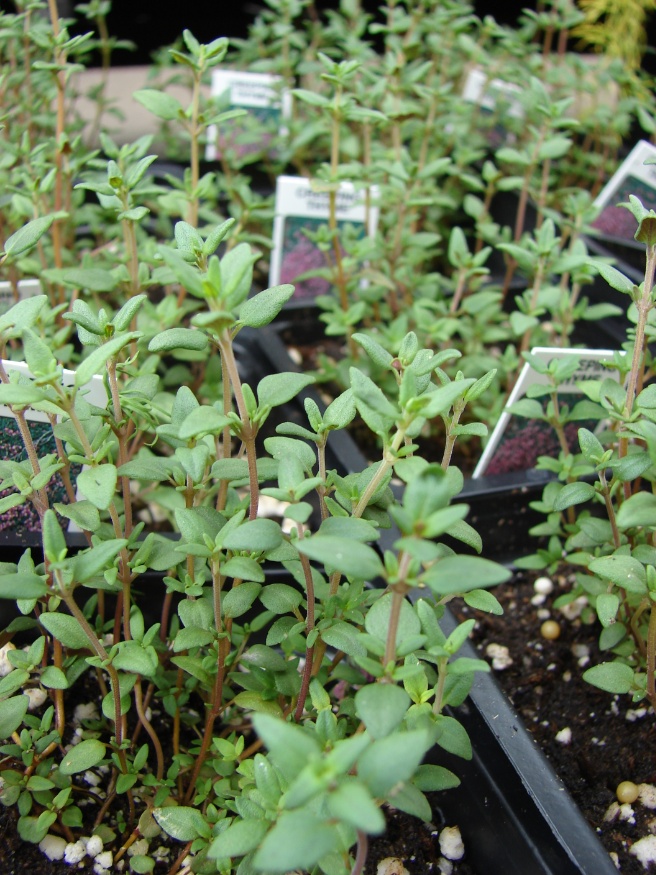
The plant forms small woody stems covered in tiny, oval leaves that release a strong fragrance when touched. During the growing season, it produces clusters of small pink to purple flowers that attract pollinators. Its evergreen or semi-evergreen nature in milder climates allows it to provide year-round interest.
Historically, thyme has been used since ancient times in cooking, medicine, and ritual practices. It was valued by the Greeks and Romans for its antiseptic qualities and was often burned as incense or added to baths. Its association with strength and endurance made it a symbolic plant in many cultures.
Medicinally, thyme is known for its strong antimicrobial and expectorant properties. It supports respiratory health, aids digestion, and can be used externally for infections. As a culinary herb, it enhances flavor while also contributing beneficial compounds, making it both a practical and functional addition to daily life.
Traditional Use
Folk Use
Thyme has long been valued as both a culinary herb and a potent medicinal plant. Traditionally, it has been used for respiratory conditions such as coughs, bronchitis, and congestion. Its strong antimicrobial properties made it useful for infections and preserving foods.
Infusions and syrups of thyme were commonly taken to soothe sore throats and support lung health. It was also used for digestive discomfort, particularly where there was gas or sluggish digestion. Externally, thyme has been applied as a wash or steam for skin infections and respiratory relief.
In European traditions, thyme was also associated with strength and vitality, often used in tonics to support recovery from illness.
Chinese Medicine
While not a traditional Chinese herb, thyme can be understood as warm and drying, supporting the lungs and digestive system. It helps dispel cold and dampness, particularly in respiratory conditions with excess mucus.
Its pungent nature promotes circulation of qi and helps break up stagnation in the chest and digestive tract.
Special Chemistry
Thyme contains thymol and carvacrol, powerful antimicrobial compounds responsible for its strong antiseptic properties. It also contains flavonoids and volatile oils that contribute to its expectorant and digestive effects.
Signature
The strong aroma and concentrated oils of thyme reflect its ability to penetrate, cleanse, and stimulate the respiratory system and digestion.
Combinations
Thyme combines well with peppermint for digestion and with sage for respiratory infections.
Precautions
Concentrated essential oil should be used cautiously, as it can be irritating. Large internal doses may cause digestive upset.
| Medicinal Species | Thymus vulgaris |
|---|---|
| Tastes | bitter, acrid/pungent |
| Organ Systems | digestive, respiratory, immune/lymphatic |
| Thermal Nature | warm |
| Moisture | drying |
| Parts Used | stems, leaves |
| Preparations | tea/infusion, tincture, bath, essential oil, syrup |
| Organs and Tissue | lungs, stomach, mucosa |
Growing Guide
Thyme is best grown in full sun with well-drained, often sandy or rocky soil. It prefers drier conditions and does poorly in heavy, wet soils. Seeds can be started indoors in early spring or sown directly outdoors once the danger of frost has passed, though germination can be slow.
More commonly, thyme is propagated from cuttings or division, which produces more reliable results. Space plants 12–18 inches apart to allow for spreading. Once established, thyme requires minimal watering and thrives in low-fertility soils.
Prune regularly to prevent woody growth and to encourage dense, productive foliage. Harvest leaves throughout the growing season, ideally before flowering when essential oil content is highest. Thyme can also be grown in containers where drainage is well controlled.