About This Plant
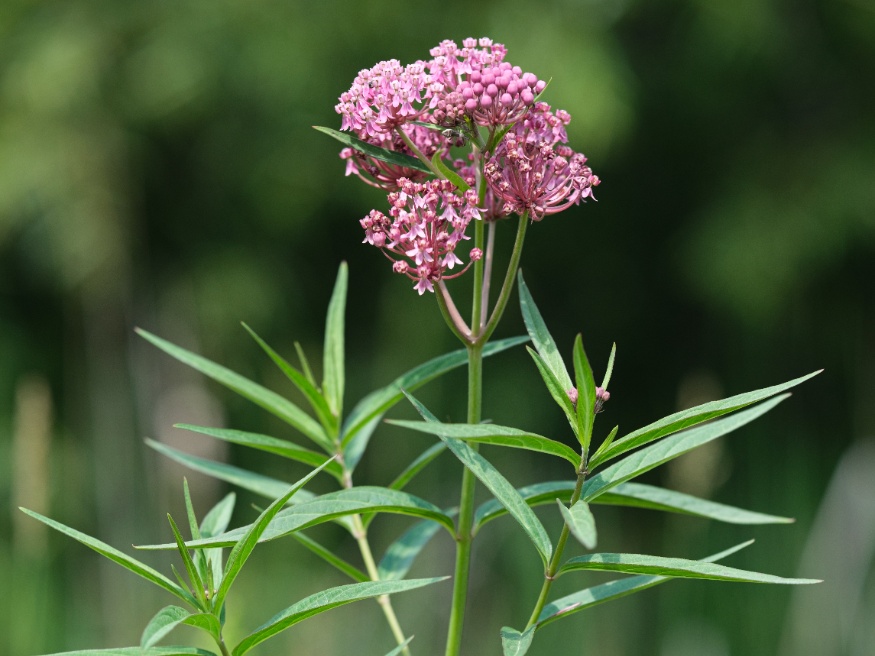
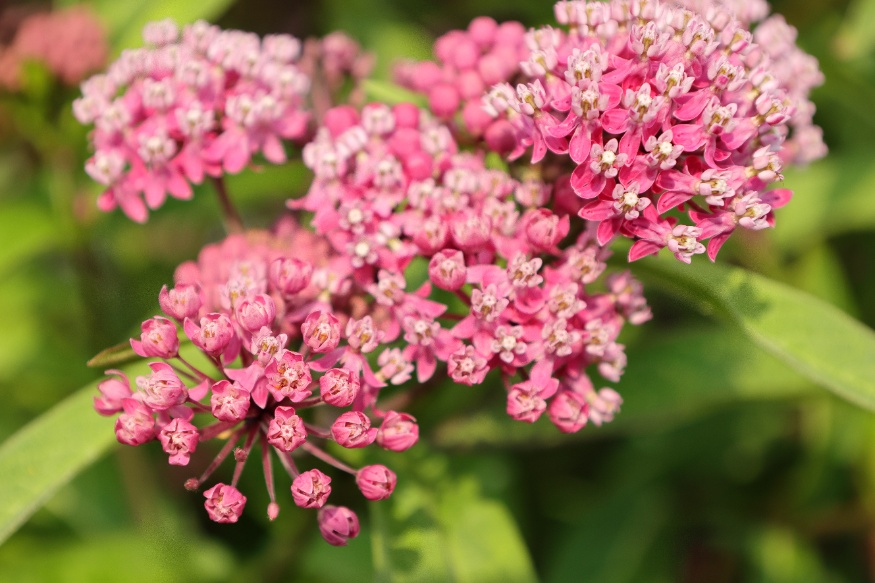
Swamp milkweed is a graceful and ecologically important native perennial known for its clusters of soft pink flowers and its strong association with wet habitats. Asclepias incarnata is found across much of North America, thriving in marshes, floodplains, and along the edges of streams and ponds where soils remain consistently moist.
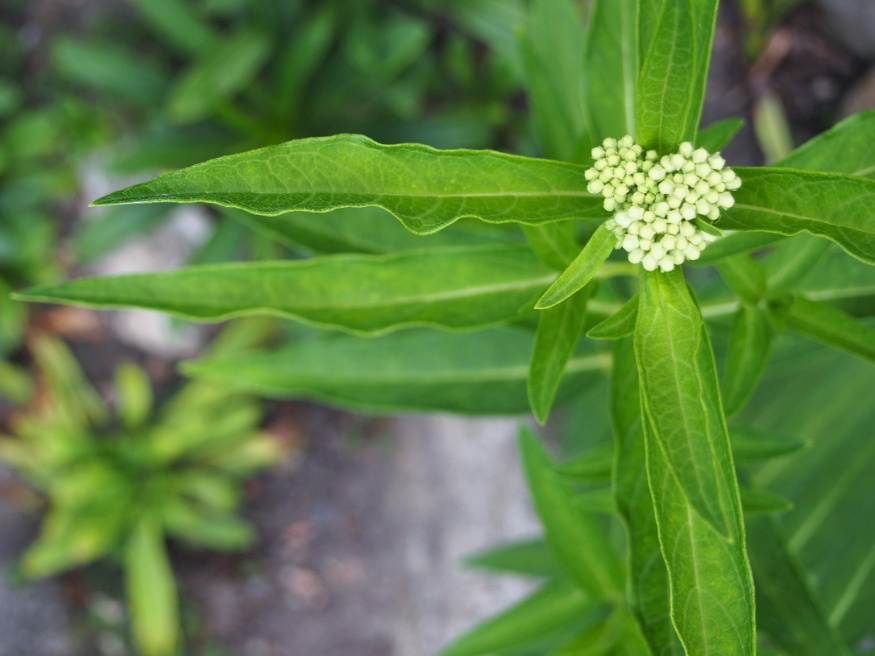
This species grows in upright clumps, producing narrow leaves along tall stems and dense flower clusters that attract a wide range of pollinators. It is especially valued as a host plant for monarch butterflies, playing a crucial role in their life cycle. Compared to other milkweeds, it has a more refined growth habit and is often preferred in garden settings.
Historically, swamp milkweed has been used medicinally, though less prominently than its relative, butterfly milkweed. Its root shares similar properties, supporting respiratory health and helping to relieve congestion.
In addition to its medicinal qualities, swamp milkweed is an important ecological plant. Its presence supports biodiversity and contributes to the health of wetland ecosystems. Its combination of beauty, resilience, and ecological function makes it a valuable addition to both natural and cultivated landscapes.
Traditional Use
Folk Use
Swamp milkweed has been used traditionally in a similar manner to other milkweed species, though it is generally considered milder than butterfly milkweed. It has been used for respiratory conditions, particularly to support lung function and ease congestion.
The root has been prepared as a decoction or tincture and used in cases of cough and chest discomfort. Its warming and stimulating properties make it useful in cold, damp conditions affecting the lungs.
While not as widely used as some related species, it shares similar medicinal qualities and has been valued in regional herbal traditions.
Chinese Medicine
Not traditionally used in Chinese medicine, though its actions resemble warming lung herbs that support expectoration and relieve congestion.
Special Chemistry
Contains cardiac glycosides and related compounds, contributing to its physiological activity.
Signature
The plant's affinity for wet environments reflects its ability to move and regulate fluids, particularly within the respiratory system.
Combinations
Often paired with Elecampane or Mullein for respiratory support.
Precautions
Like other milkweeds, it should be used cautiously due to the presence of cardiac glycosides. Proper dosing is important.
| Medicinal Species | Asclepias incarnata |
|---|---|
| Tastes | bitter |
| Organ Systems | respiratory |
| Thermal Nature | warm |
| Moisture | drying |
| Parts Used | roots |
| Preparations | decoction, tincture |
| Organs and Tissue | lungs |
Growing Guide
Swamp milkweed grows best in consistently moist to wet soils and is ideal for rain gardens, pond edges, and low-lying areas. Seeds benefit from cold moist stratification and can be sown outdoors in fall or stratified before spring planting.
This species prefers full sun but will tolerate partial shade. It establishes more readily than some other milkweeds, though it still develops a deep root system that makes mature plants difficult to transplant.
Once established, it requires little maintenance and can form stable clumps. It is less aggressive than some milkweed species and integrates well into managed landscapes.