About This Plant
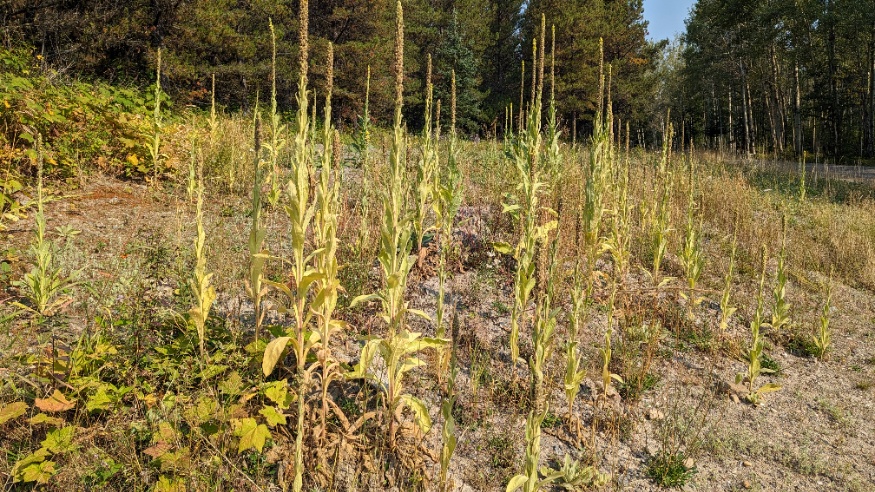
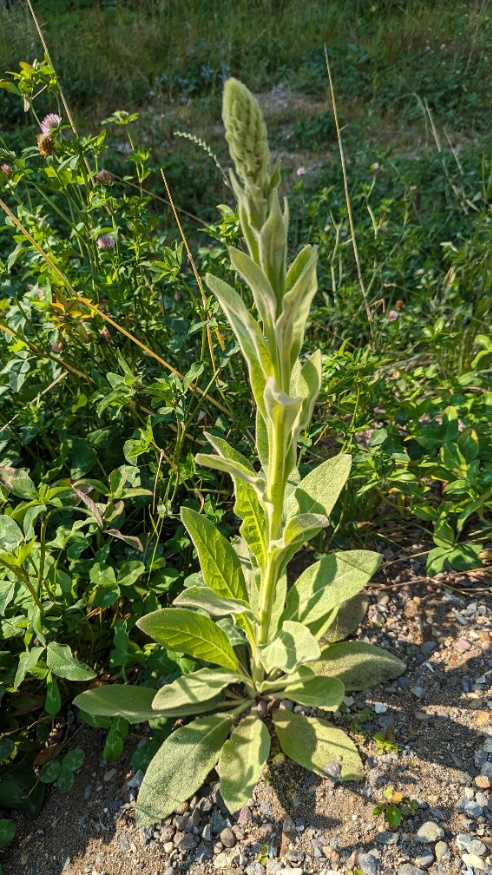
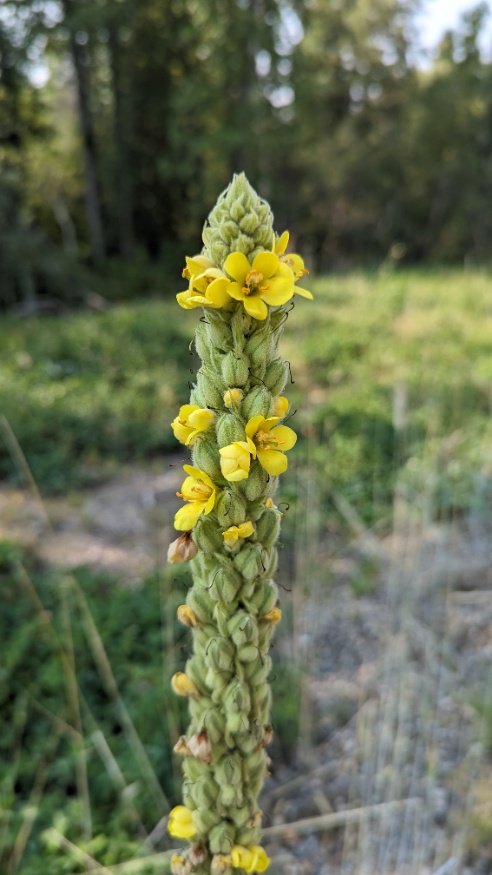
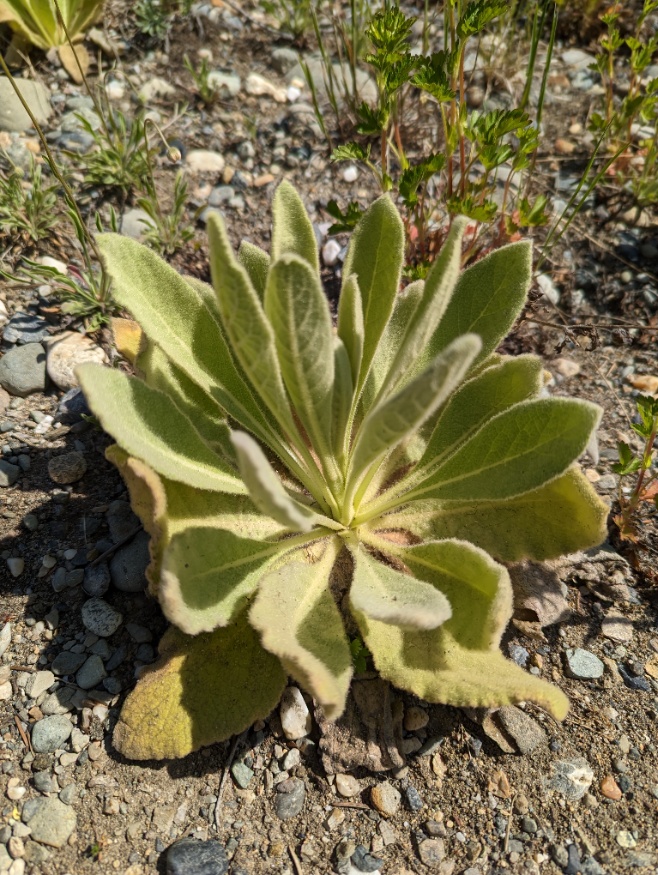
Mullein (Verbascum thapsus) is a distinctive biennial plant known for its tall flowering spike and soft, woolly leaves. In its first year, it forms a low-growing rosette of thick, fuzzy leaves that spread close to the ground. In its second year, it sends up a tall central stalk covered in small yellow flowers.
The plant thrives in disturbed soils and open, sunny areas, often appearing in roadsides and fields. Its ability to grow in poor soil conditions makes it a resilient and widely distributed species.
Mullein has a long history of use as a respiratory herb, valued for its soothing and protective qualities. The leaves and flowers have been used to support lung health and ease irritation, particularly in cases of cough and dryness.
With its tall, striking form and soft-textured foliage, mullein stands out in the landscape while also maintaining a strong connection to traditional herbal practices focused on supporting the respiratory system.
Traditional Use
Folk Use
Chinese Medicine
Combinations
Precautions
| Medicinal Species | Verbascum thapsus |
|---|---|
| Tastes | bitter, sweet |
| Organ Systems | respiratory |
| Thermal Nature | cool |
| Moisture | moistening |
| Parts Used | leaves, flowers |
| Preparations | oil, tea/infusion, tincture |
| Organs and Tissue | lungs, bronchioles |