About This Plant
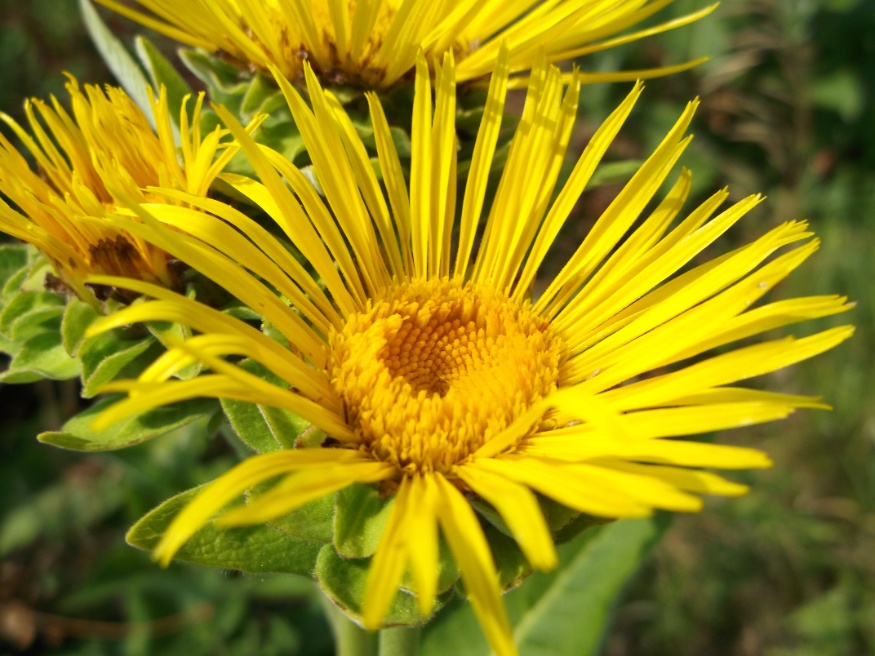
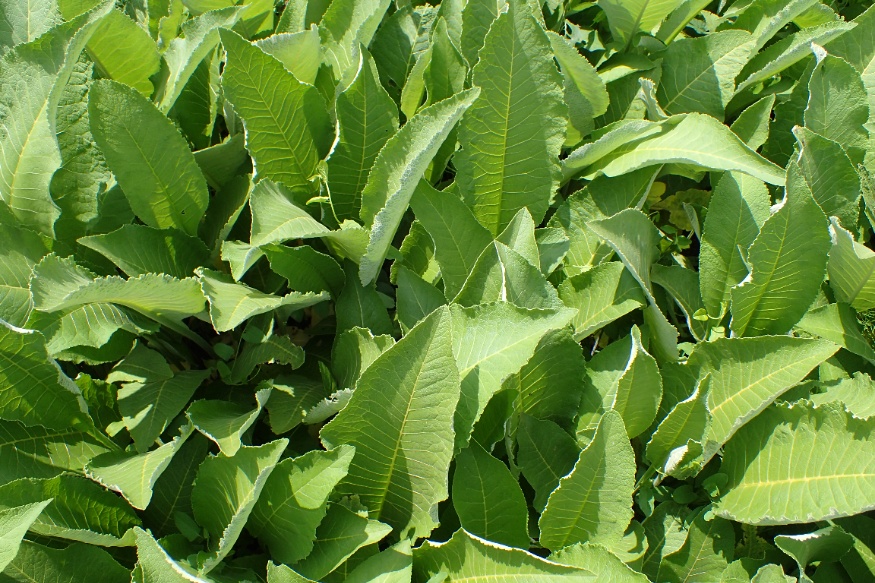
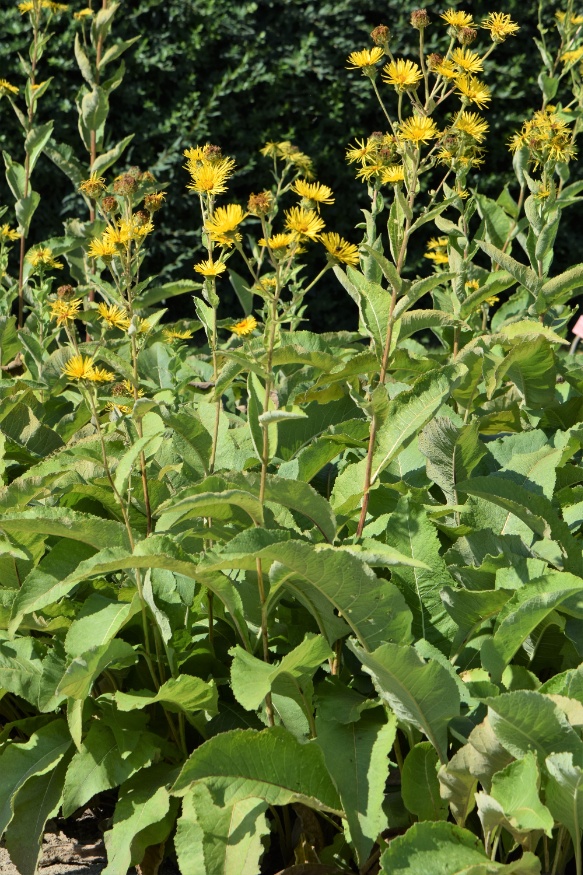
Elecampane (Inula helenium) is a tall and robust perennial herb known for its large leaves and bright yellow, daisy-like flowers. The plant forms a strong clump of foliage at its base, from which tall stems rise, often reaching several feet in height. The flowers, with their narrow, radiating petals, create a bold display in mid to late summer.
Native to parts of Europe and Asia, elecampane has naturalized in many temperate regions. It prefers moist, fertile soils and can often be found growing in meadows, along roadsides, or in lightly disturbed areas. Its size and structure make it a noticeable presence in the landscape.
The thick root of elecampane has been valued in herbal traditions for centuries, particularly for its role in supporting respiratory health. Its aromatic qualities and historical significance have made it a staple in traditional herbal practices.
In the garden, elecampane adds height and texture while attracting pollinators. Its combination of ornamental value and medicinal history makes it a plant of both practical and visual interest.
Traditional Use
Folk Use
Chinese Medicine
Combinations
Precautions
| Medicinal Species | Inula helenium |
|---|---|
| Tastes | bitter, acrid/pungent |
| Organ Systems | digestive, respiratory |
| Thermal Nature | warm |
| Moisture | drying |
| Parts Used | roots |
| Preparations | decoction, tincture, syrup |
| Organs and Tissue | lungs |