About This Plant
Silverweed is a low-growing perennial known for its silvery foliage and creeping growth habit. Found across much of the Northern Hemisphere, it thrives in open, sunny environments where moisture is available, such as along riverbanks, coastal dunes, and disturbed soils. Its ability to spread quickly through runners allows it to form dense mats, making it both a resilient wild plant and a useful ground cover.
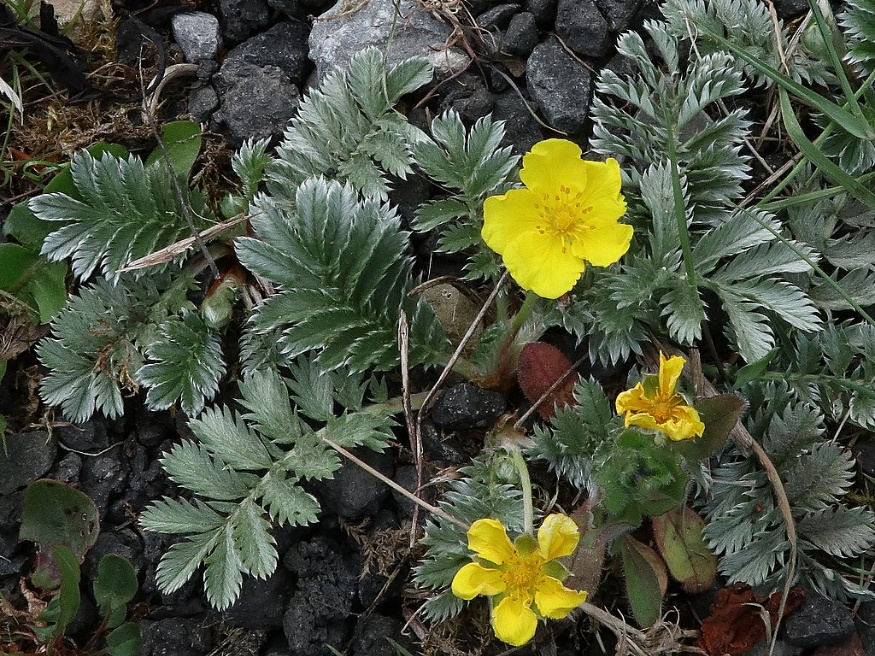
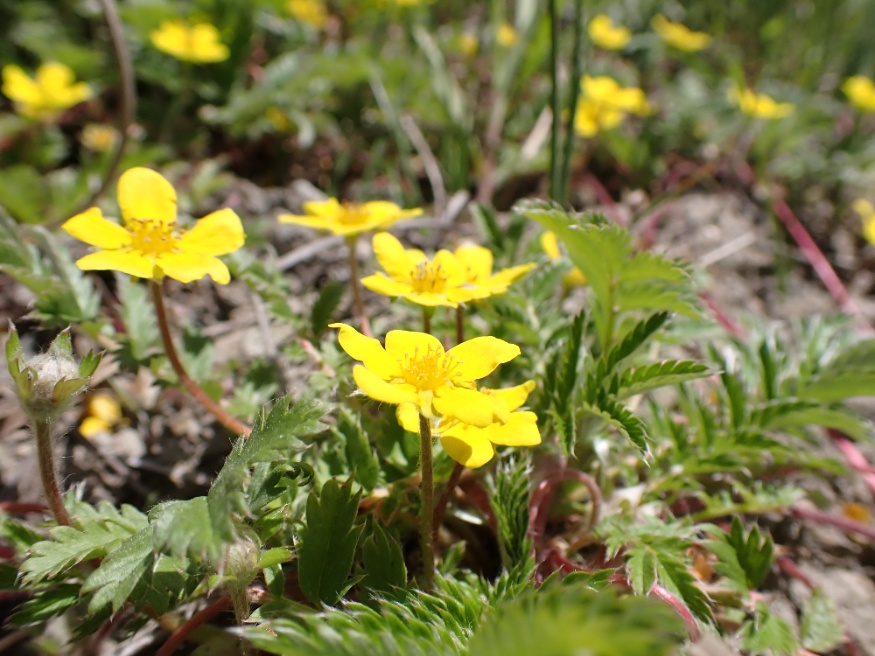
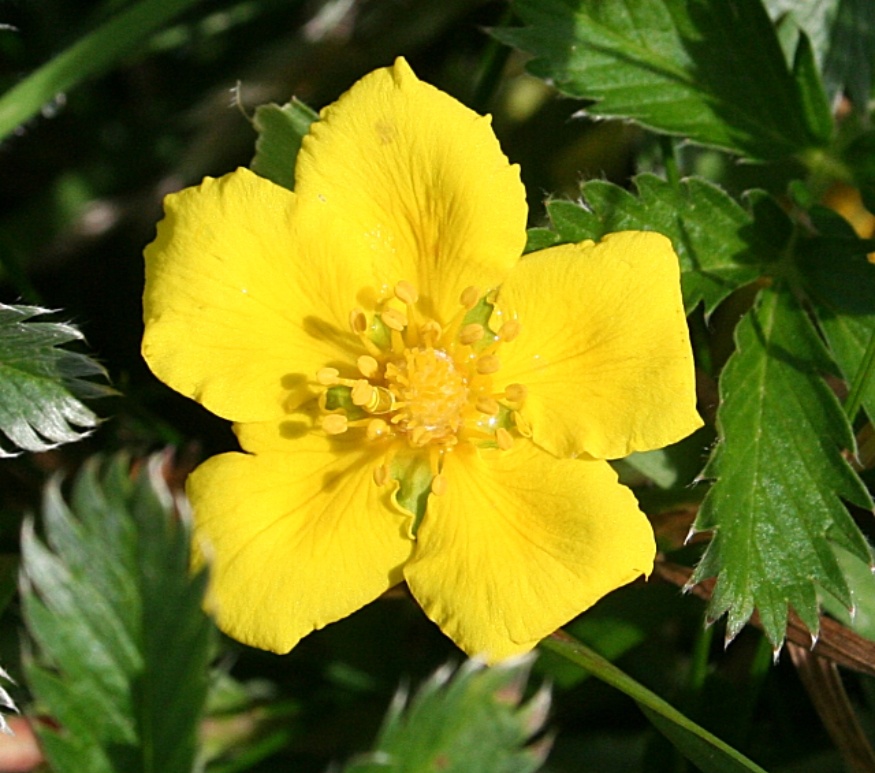
The plant is easily recognized by its pinnate leaves, which are green on top and distinctly silvery underneath. Bright yellow, five-petaled flowers appear throughout the growing season, adding subtle beauty to its otherwise understated form. Hardy to zone 2, silverweed is well adapted to cold climates and can tolerate a wide range of environmental conditions.
Historically, silverweed has been an important food plant, particularly in northern regions where other crops were limited. Its roots provided a valuable source of carbohydrates and were often harvested and prepared in various ways.
Medicinally, silverweed is valued for its gentle astringent and antispasmodic properties. It is used to support digestion, relieve cramps, and tone tissues, particularly in the gastrointestinal and reproductive systems. This combination of nourishment and healing makes it a versatile and enduring plant in traditional practices.
Traditional Use
Folk Use
Silverweed has been valued as both a food and medicine across many cultures. The roots were traditionally eaten, often roasted or boiled, providing a starchy and nourishing food source.
Medicinally, it has been used as a mild astringent and antispasmodic, particularly for digestive discomfort and menstrual cramps. Its ability to relax smooth muscle made it useful for easing tension in the digestive and reproductive systems.
It was also used as a general tonic herb, supporting overall health and resilience in traditional herbal practices.
Chinese Medicine
Silverweed is not a traditional Chinese herb, but its properties suggest a neutral, slightly drying nature that supports digestion and relieves spasms.
It may be seen as helping to harmonize the middle burner and reduce dampness, particularly where tension or stagnation is present.
Its gentle action makes it suitable for long-term use in mild conditions.
Special Chemistry
Contains tannins, flavonoids, and compounds that contribute to its astringent and antispasmodic effects.
Signature
The silvery undersides of the leaves reflect its soothing and calming action, particularly in conditions of irritation and tension.
Combinations
Pairs well with chamomile or peppermint for digestive support.
Precautions
Generally safe, though excessive use may lead to mild dryness due to its astringent nature.
| Medicinal Species | Potentilla anserina |
|---|---|
| Tastes | bitter, astringent |
| Organ Systems | digestive, muscular |
| Thermal Nature | neutral |
| Moisture | drying |
| Parts Used | roots, leaves |
| Preparations | decoction, tea/infusion, tincture |
| Organs and Tissue | stomach, muscle & connective tissue |
Growing Guide
Silverweed is a hardy, low-growing plant that thrives in moist, sandy soils and open sunny areas. It spreads readily through creeping runners, making it an effective ground cover and erosion control plant.
Seeds can be sown in fall or early spring after cold stratification, though vegetative propagation through runners is often easier and faster. The plant tolerates a wide range of conditions, including coastal environments and compacted soils.
Once established, silverweed requires little maintenance and can quickly cover bare ground. It is particularly useful in stabilizing soils along waterways and disturbed areas.