About This Plant
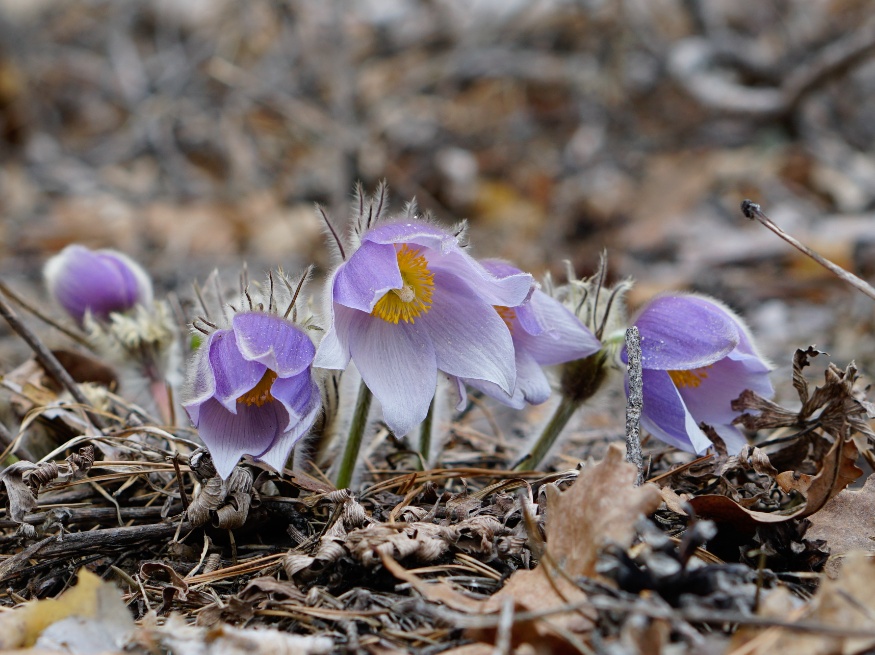
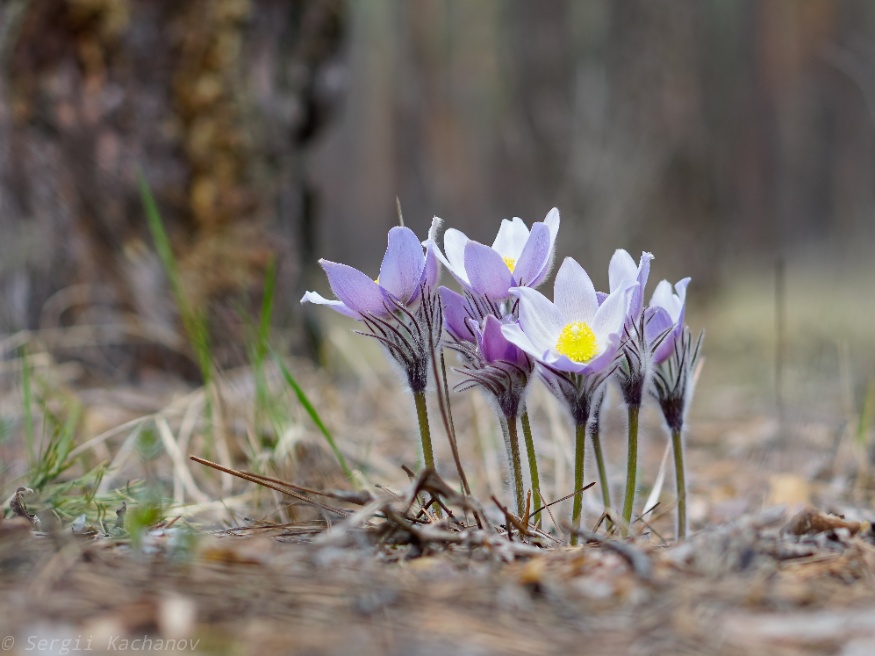
Pulsatilla, commonly known as prairie crocus or pasqueflower, is one of the earliest blooming plants in many northern landscapes. Emerging in early spring, often before grasses have begun to grow, it produces soft, purple flowers covered in fine hairs that protect it from cold winds. This early appearance makes it an important nectar source for pollinators awakening after winter.
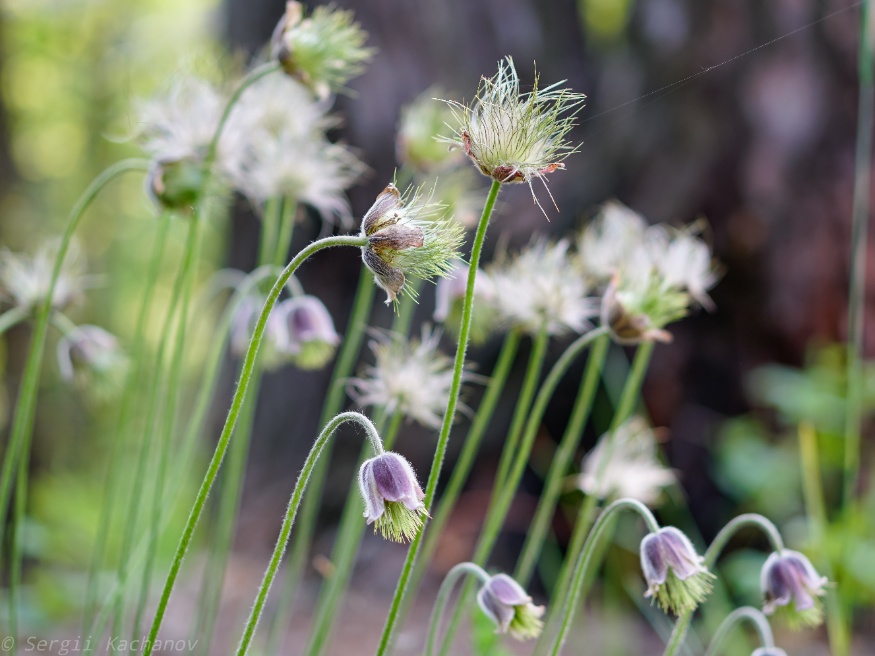
Native to prairies and open uplands across North America, Europe, and Asia, Pulsatilla patens thrives in dry, well-drained soils and full sun. It is hardy to zone 3 and well adapted to harsh climates, including exposed hillsides and rocky slopes. Its feathery foliage and later seed heads add visual interest long after the flowers have faded.
The plant is easily identified by its silky hairs, nodding blooms, and deeply divided leaves. These features not only give it a distinctive appearance but also help it conserve moisture and withstand environmental stress.
Historically, pulsatilla has been used as a potent medicinal herb, though always with caution due to its toxicity in fresh form. It has been associated with calming the nervous system and supporting emotional balance, particularly in traditional European herbalism.
Medicinally, pulsatilla is used in very small, carefully prepared doses. It is valued for its effects on the nervous and reproductive systems, helping to ease tension, support hormonal balance, and calm agitation. Its beauty, resilience, and potency make it a plant of both ecological and medicinal significance.
Traditional Use
Folk Use
Pulsatilla has been used traditionally as a powerful medicinal herb, particularly for nervous and reproductive conditions. It was often used in very small doses to calm anxiety, ease tension, and support emotional balance.
It has also been used for menstrual irregularities and reproductive discomfort, reflecting its strong influence on hormonal and emotional systems.
Due to its potency, traditional use emphasized careful dosing and preparation, often in tincture form.
Chinese Medicine
Pulsatilla is related to Bai Tou Weng (Pulsatilla chinensis), used in Chinese medicine to clear heat and resolve toxicity, particularly in the digestive tract.
Its energetic qualities are cooling and drying, with a strong action on clearing damp-heat and calming inflammation.
Though Pulsatilla patens is not the primary species used, it shares similar energetic characteristics.
Special Chemistry
Contains protoanemonin and related compounds that contribute to its strong and sometimes irritating effects.
Signature
The delicate, nodding flowers suggest sensitivity and emotional responsiveness, reflecting its action on the nervous system.
Precautions
Fresh plant is toxic and can cause irritation. Should only be used in properly prepared forms and under experienced guidance.
| Medicinal Species | Pulsatilla patens |
|---|---|
| Tastes | bitter, acrid/pungent |
| Organ Systems | nervous, reproductive |
| Thermal Nature | cool |
| Moisture | drying |
| Parts Used | leaves, flowers |
| Preparations | extract, tincture |
| Organs and Tissue | brain, gonad |
Growing Guide
Pulsatilla prefers dry, well-drained soils and full sun exposure. It is well suited to prairie gardens, rock gardens, and naturalized plantings that mimic its native habitat.
Seeds require cold moist stratification and should be sown in fall or early spring. Germination can be slow, and seedlings should be protected from excessive moisture.
Once established, pulsatilla is drought tolerant and long-lived but does not transplant well due to its deep root system. It is best left undisturbed in a permanent location.