About This Plant
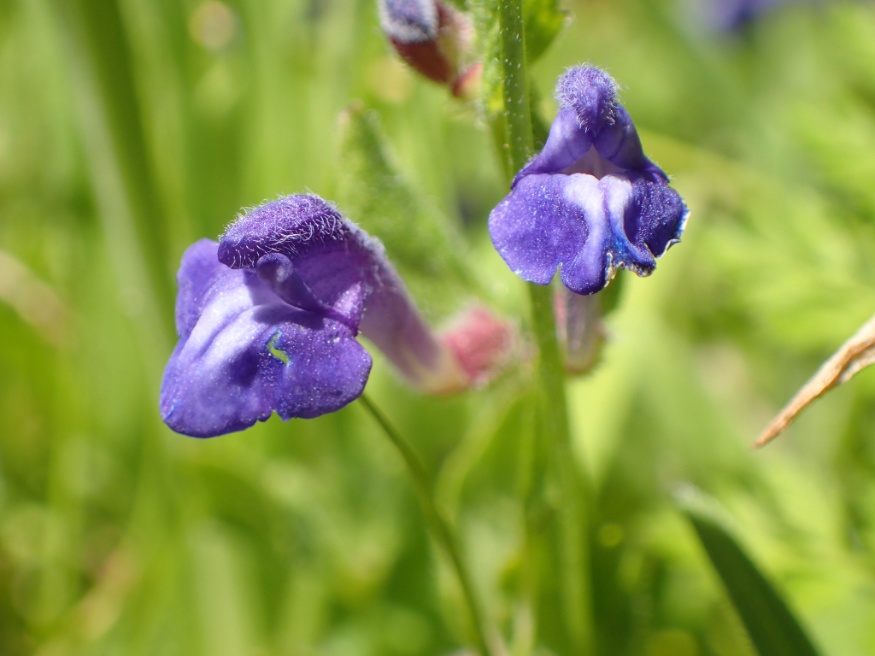
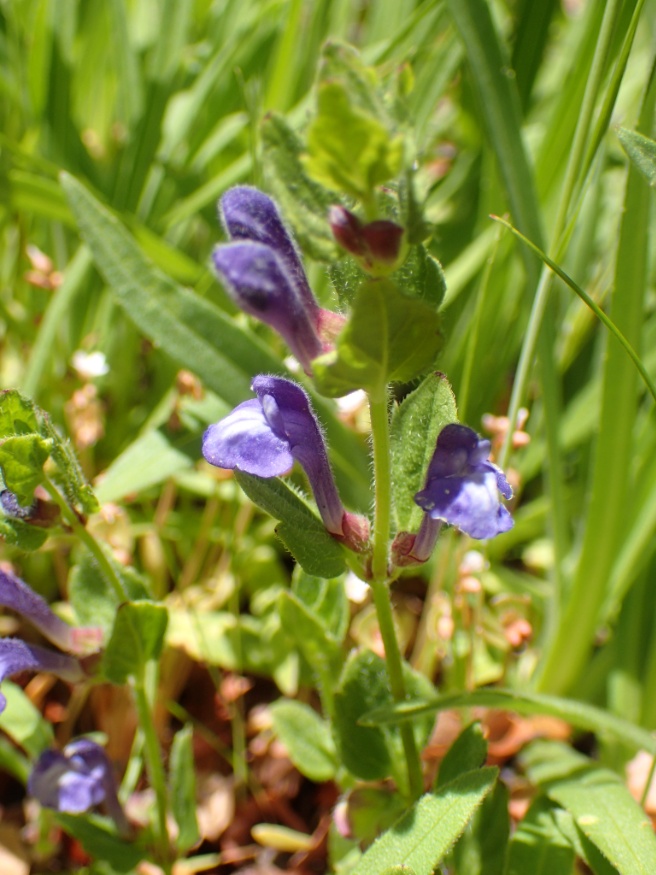
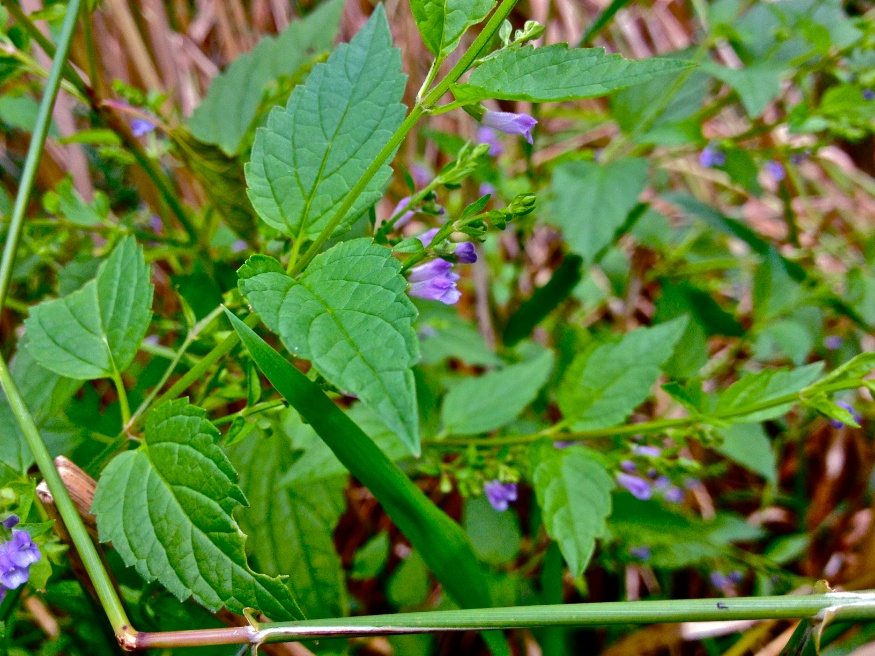
Skullcap (Scutellaria lateriflora) is a slender, branching perennial herb that grows in moist environments such as stream edges and wet meadows. It produces small, tubular blue to violet flowers that appear along one side of its stems, giving it a delicate and somewhat understated appearance.
The plant thrives in soils that retain moisture and is often found in partially shaded areas where conditions remain cool and consistent. Its fine stems and modest height allow it to blend easily among other vegetation, though it becomes more noticeable when in bloom.
Skullcap has a long history of use as a calming and restorative herb, particularly in relation to the nervous system. It has been used to support relaxation and ease tension, especially during periods of stress.
With its subtle flowers and gentle presence, skullcap is a plant that reflects quiet strength, offering support in a way that aligns with its natural environment and long-standing role in herbal traditions.
Traditional Use
Folk Use
Chinese Medicine
Combinations
Precautions
| Medicinal Species | Scutellaria lateriflora |
|---|---|
| Tastes | bitter |
| Organ Systems | nervous |
| Thermal Nature | cool |
| Moisture | drying |
| Parts Used | stems, leaves, flowers |
| Preparations | tea/infusion, tincture |
| Organs and Tissue | brain |