About This Plant
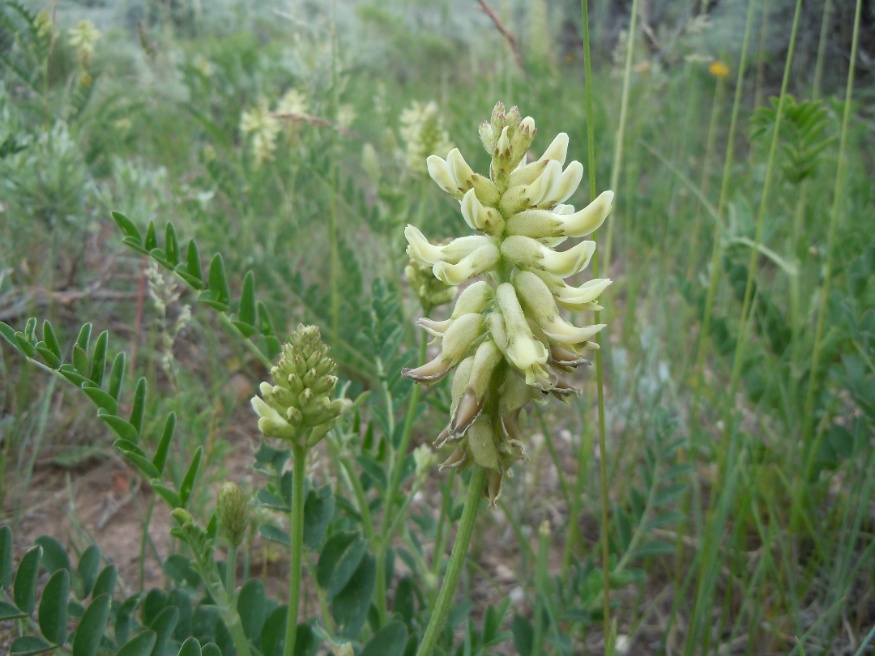
Canadian milk vetch is a graceful native perennial belonging to the legume family, valued for its ecological role and gentle medicinal properties. It produces upright stems bearing compound leaves and clusters of creamy white to pale yellow flowers that give way to distinctive inflated seed pods. Its presence in natural landscapes contributes to both biodiversity and soil health.
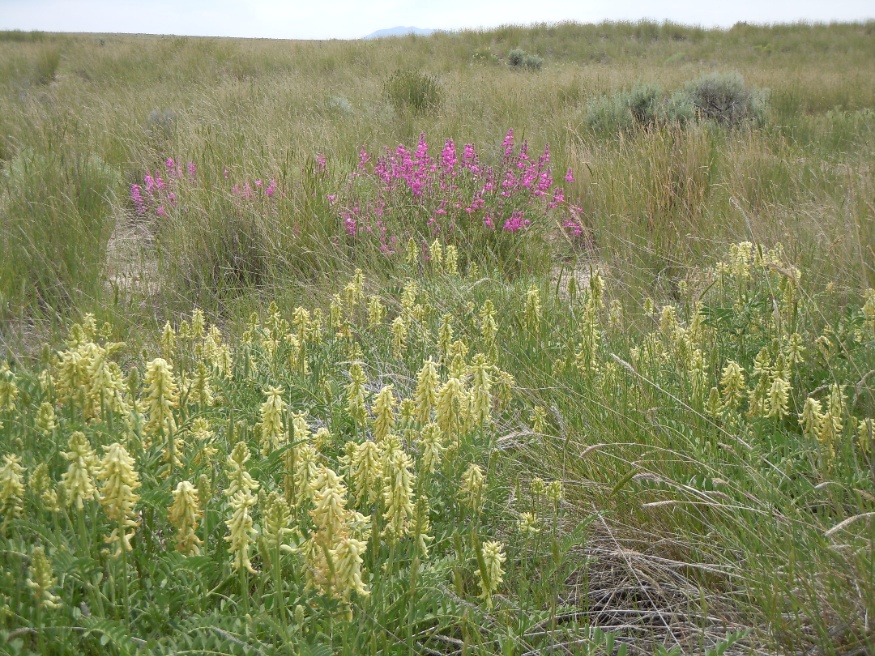
This species is native to much of North America, particularly in prairie regions, open woodlands, and along hillsides. It thrives in well-drained soils and is often found in environments that experience seasonal dryness. As a nitrogen-fixing plant, it plays an important role in improving soil fertility, making it a valuable species in restoration and naturalized plantings.
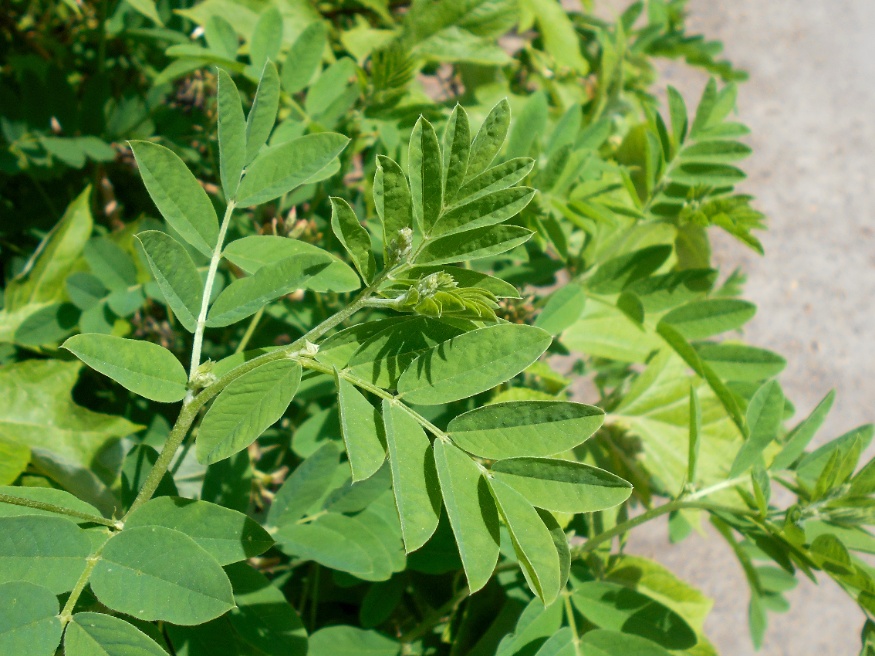
Identification is aided by its pinnate leaves and elongated flower clusters, followed by the characteristic pods that swell as they mature. The plant typically grows in clumps and can reach moderate heights, blending well with other prairie and meadow species.
Historically, Canadian milk vetch has not been as widely used as some of its relatives, but it shares a lineage with one of the most important tonic herbs in traditional medicine. Its connection to Astragalus membranaceus highlights its potential as a strengthening and supportive plant.
Medicinally, the root is the primary part used, often prepared as a decoction. It is considered a gentle tonic that supports immune function, energy, and resilience. While not commonly used as a food, its role as a nourishing medicinal herb aligns it with other long-term tonics that help build vitality over time.
Traditional Use
Folk Use
Canadian milk vetch has been used traditionally by Indigenous peoples and herbalists as a strengthening tonic. Though less well-known than its Asian relative, Astragalus membranaceus, it shares similar properties as an immune-supportive and restorative herb.
The roots have been used in decoctions to help build resilience, particularly during times of fatigue, illness, or recovery. It has also been used to support respiratory health and overall vitality. While not as widely documented, its role as a nourishing, tonic herb aligns with broader uses of the Astragalus genus.
Its gentle, sweet nature makes it suitable for long-term use in supportive formulas, often combined with other tonic herbs to enhance endurance and resistance to stress.
Chinese Medicine
While Astragalus canadensis is not traditionally used in Chinese medicine, its close relative Astragalus membranaceus (Huang Qi) is a cornerstone herb in that system. It is used to tonify qi, strengthen the spleen, and support the lungs.
By comparison, Canadian milk vetch may be viewed as having similar energetic qualities, supporting immune function and vitality. It aligns with herbs that build foundational energy and help the body resist external pathogens.
Its warming and moistening nature suggests usefulness in deficiency patterns, particularly where weakness, fatigue, or susceptibility to illness are present.
Special Chemistry
Astragalus species contain polysaccharides, saponins, and flavonoids that contribute to their immune-modulating effects. These compounds are associated with increased resistance to stress and improved immune response.
Signature
The deep-rooted nature and nitrogen-fixing ability of this plant reflect its role in building and nourishing foundational strength, both in soil and in the body.
Combinations
Canadian milk vetch can be combined with echinacea for immune support, pairing tonic and acute actions. It may also work alongside red clover to support overall vitality and circulation.
Precautions
Generally considered safe, though care should be taken in autoimmune conditions due to its immune-stimulating effects. Proper identification is important, as some Astragalus species can be toxic.
| Medicinal Species | Astragalus canadensis, Astragalus membranaceus |
|---|---|
| Tastes | sweet |
| Organ Systems | respiratory, immune/lymphatic |
| Thermal Nature | warm |
| Moisture | moistening |
| Parts Used | roots |
| Preparations | decoction, extract, tincture |
| Organs and Tissue | lungs, spleen |
Growing Guide
Canadian milk vetch is best grown from seed, which typically requires cold moist stratification to break dormancy. Seeds can be sown outdoors in fall or stratified and planted in early spring. Germination can be slow and somewhat inconsistent, requiring patience.
This plant prefers well-drained soils and thrives in full sun to partial shade. It is commonly found in prairie and open woodland environments, indicating a preference for moderately dry conditions once established. Overwatering or poorly drained soils may hinder growth.
As a member of the legume family, Canadian milk vetch improves soil fertility by fixing nitrogen, making it beneficial in restoration or naturalized plantings. However, it does not transplant well due to its deep root system, so direct seeding is recommended.