About This Plant
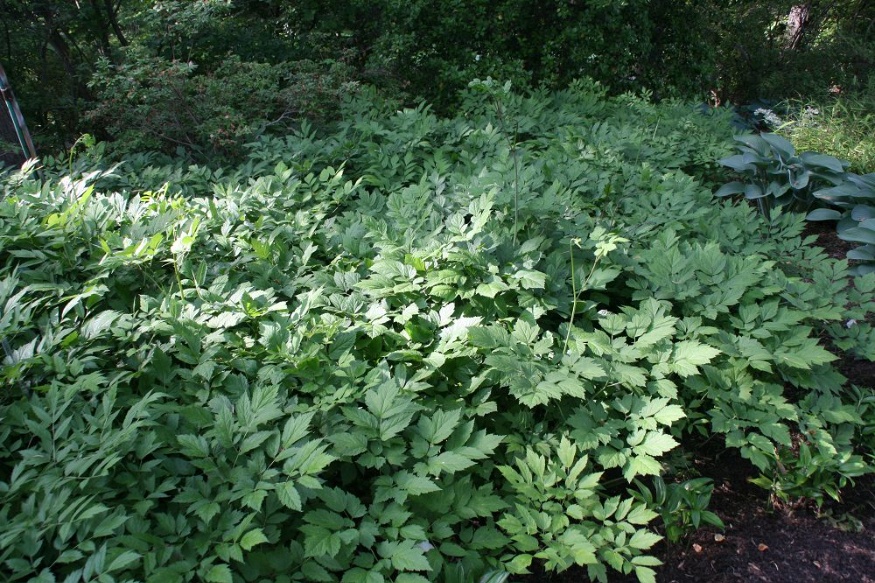
Black cohosh (Actaea racemosa) is a perennial herb native to eastern North America, commonly found in rich, shaded woodlands. It is known for its tall, elegant flower spikes and deeply divided leaves, making it both a medicinal and ornamental plant.
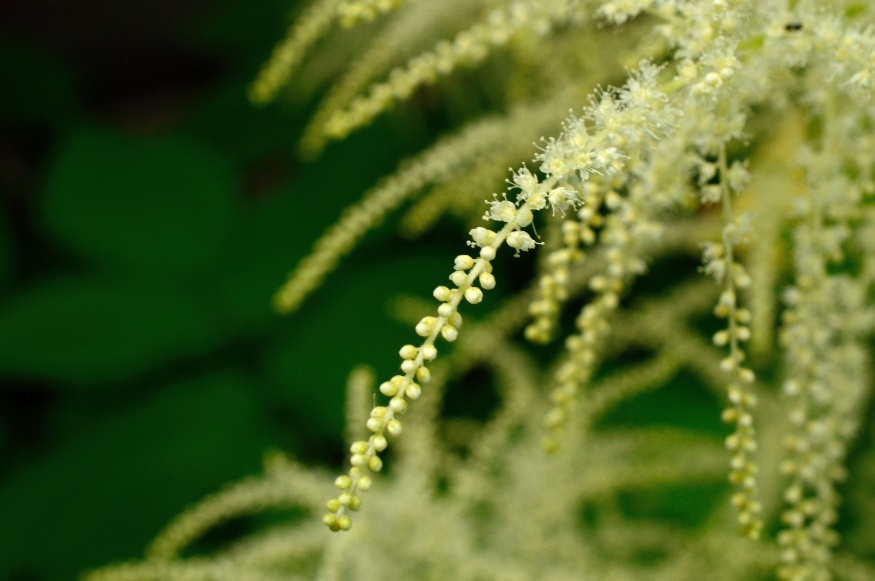
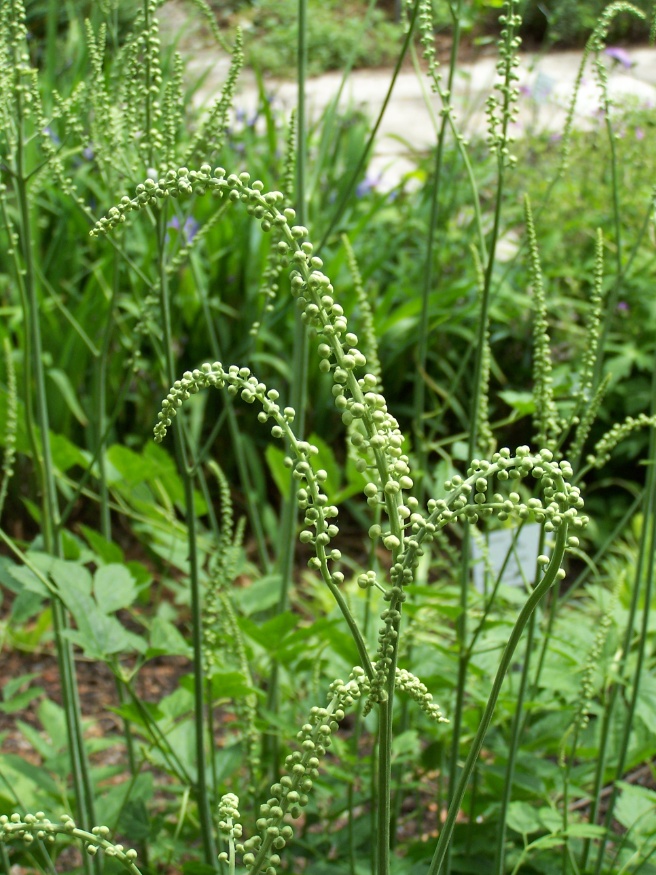
The plant produces long racemes of white flowers that bloom in mid to late summer. Its roots and rhizomes are the primary parts used medicinally. Black cohosh thrives in forest understories, often growing alongside plants like goldenseal.
Historically, it has been used extensively in Indigenous and early American herbal medicine. It gained popularity for its effects on women’s health, particularly in supporting menstrual and menopausal balance.
Today, black cohosh is widely used as a herbal supplement for hormonal support. It is not typically used as a food but is valued for its potent medicinal properties.
Traditional Use
Folk Use
Black cohosh has been traditionally used to support women’s health, particularly for menstrual discomfort and menopause symptoms. It was often prepared as a decoction of the root.
It was also used for rheumatic pain and as a general anti-inflammatory herb.
In traditional practice, it is sometimes combined with herbs such as angelica to support hormonal balance and circulation.
Chinese Medicine
Special Chemistry
Black cohosh contains triterpene glycosides and other compounds that influence hormonal and inflammatory pathways.
It is often used in combination with herbs like angelica.
Use should be moderate, and it is not recommended during pregnancy.
Combinations
Precautions
| Medicinal Species | Actaea racemosa |
|---|---|
| Tastes | bitter, acrid/pungent |
| Organ Systems | nervous, endocrine, reproductive |
| Thermal Nature | cool |
| Moisture | drying |
| Parts Used | roots |
| Preparations | decoction, tincture, capsule |
Growing Guide
Black cohosh prefers shaded environments with rich, moist soil. It is well suited to woodland gardens and requires consistent moisture for best growth.
Propagation can be done through division or seed, though seeds may require stratification.
For best establishment results, see preparing to grow wild plant seeds.