Pin Cherry
Other Names: bird cherry, fire cherry
Family: Rosaceae
Native to: Eastern North America, Interior North America, Western North America
Eco benefits: erosion control, attracts birds, edible fruit
Natural habitat: barren or disturbed ground, forest edge
Shapes: wide spreading
Height: up to 39ft
Growth rate: medium
Unique attractions: bark, flowers, fruit
Tolerances: salt
Common uses: reforestation, specimen, naturalized plantings
Light: full sun
Soil: moist and fertile, well drained, drought tolerant, dry, sandy
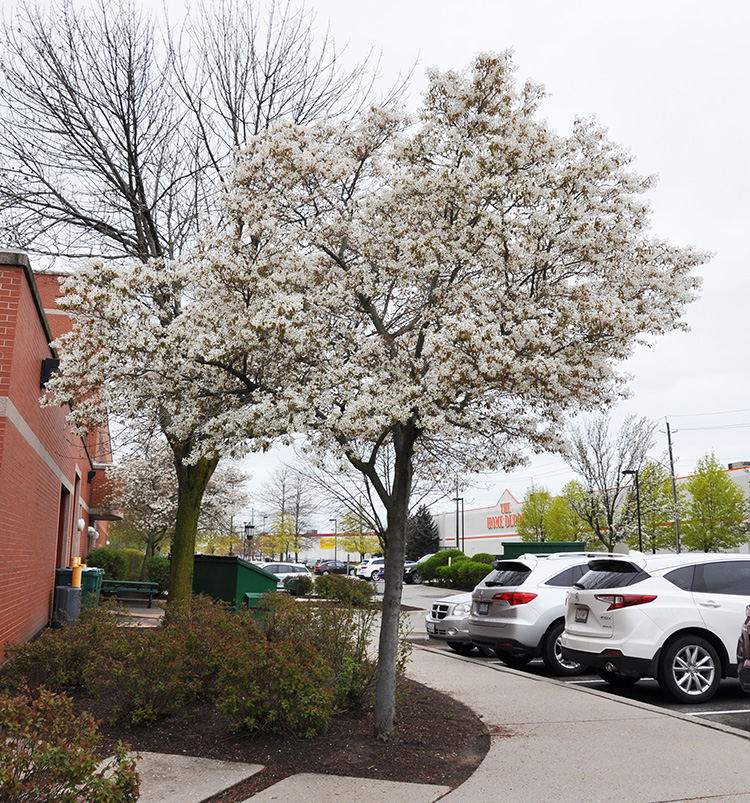
Pin cherry is a small flowering tree, Native to North America. It grows in a low spreading habit in open sun; up to 39 feet in height with 1ft trunk diameter, or a shrub in unideal conditions. Pin cherry is a 'pioneer species', good for initial colonization - the first phase of forest succession. It forms thickets after fire or disturbance clears the ground cover and creates open areas of full sun. These include abandoned pastures, logging sites, and field edges. Pin cherry is short lived (about 40 years), dying off for larger, longer lived forest species to take its place. Tolerant of a variety of soil types and moisture levels, the seeds are viable for 50 - 100 years, and germinate after fire or conditions allow light to hit the soil. Because it grows and suckers quickly the tree is a good soil stabilizer and can be used to prevent erosion. Pin cherry is important to forest cycles and ecosystems but is rarely used for landscaping because of pest, disease, and its short lifespan.
Leaves are narrowly oval, coming to a sharp point, with finely serrated margins. Leaf colour turns dull purple-red to orange or red, potentially providing nice fall colour. The bark is shinny dark reddish brown with conspicuous horizontal lenticels.
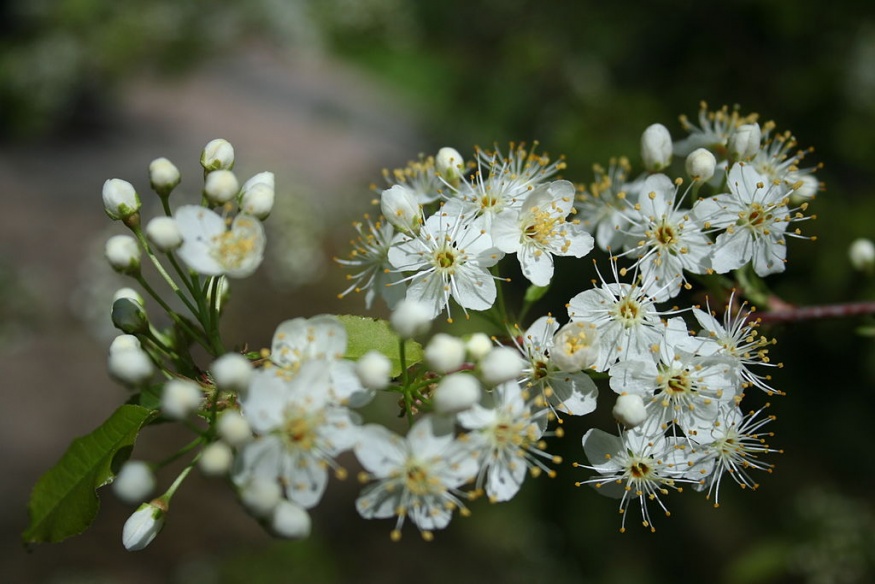
Flat topped clusters of white blossoms cover the tree in early spring. These are followed by small, bright red fruit ripening late July to early September. The berries are edible but very sour and are a favorite for birds. Pin cherry fruit has been eaten traditionally by first nations people and can be cooked to make excellent preserves. The fruit stones and leaves contain cyanide (toxic) so care should be taken when using it, but the fruit flesh is safe for consumption.
References
British Columbia. (n.d.). Pin Cherry. Retrieved from https://www.for.gov.bc.ca/hfd/library/documents/treebook/pincherry.htm
Tree Atlas - Ontario. (2020). Pin cherry. Retrieved fromhttps://www.ontario.ca/page/pin-cherry
Tree Canada. (n.d.). Pin cherry (Prunus pensylvanica). Retrieved from https://treecanada.ca/resources/trees-of-canada/pin-cherry-prunus-pensylvanica/
University of New Hampshire Cooperative Extension. (2018). Pin Cherries: A Pioneer Species That Prevails. Retrieved from https://extension.unh.edu/blog/pin-cherries-pioneer-species-prevails