Service Berry
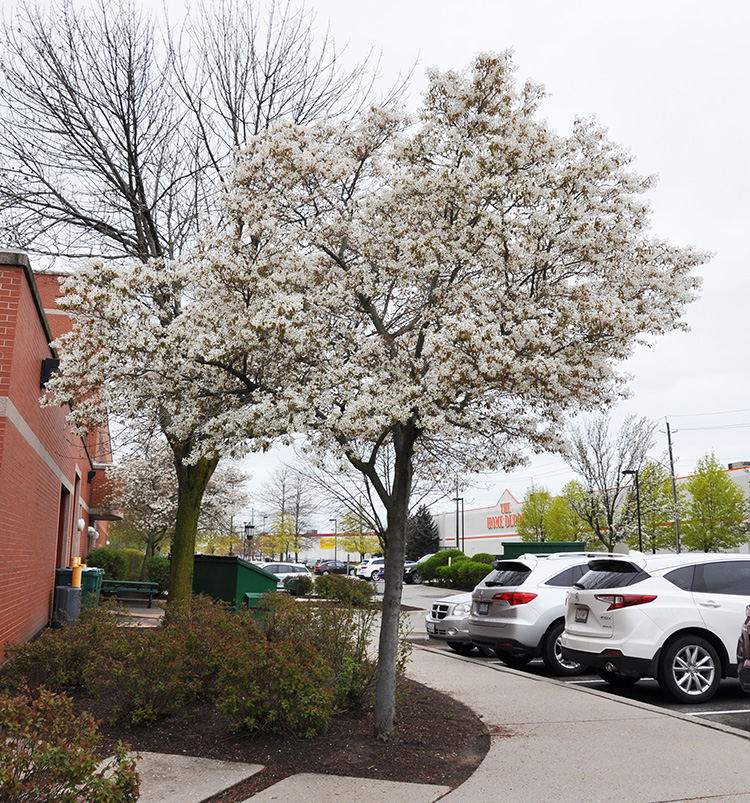
Other Names: Downey Service Berry, Shadbush, Juneberry, Saskatoon Berry
Family: Rosaceae Native to: Eastern North America, Interior North America, Western North America
Hardy to zone: 5
Eco benefits: attracts birds, edible fruit, pest/disease resistance
Natural habitat: understory
Shapes: round, irregular, multi-stemmed
Height: 25-30ft
width: 25ft
Growth rate: medium
Unique attractions: fall colour, flowers, fruit
Tolerances: deer resistant
Common uses: landscaping, cityscape
Light: full sun, partial shade
Transplanting: easy
Soil: moist and fertile, well drained, acid ph
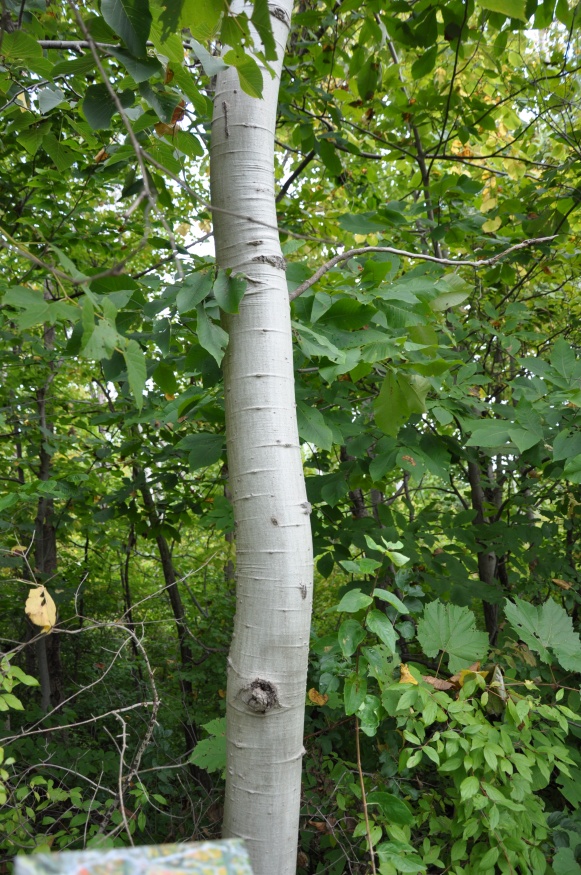
A beautiful, small understory tree, native to Ontario and Niagara. The Service Berry is known for its attractive flowers, smooth/silvery bark and fall colour. Commonly planted in landscapes and cities.
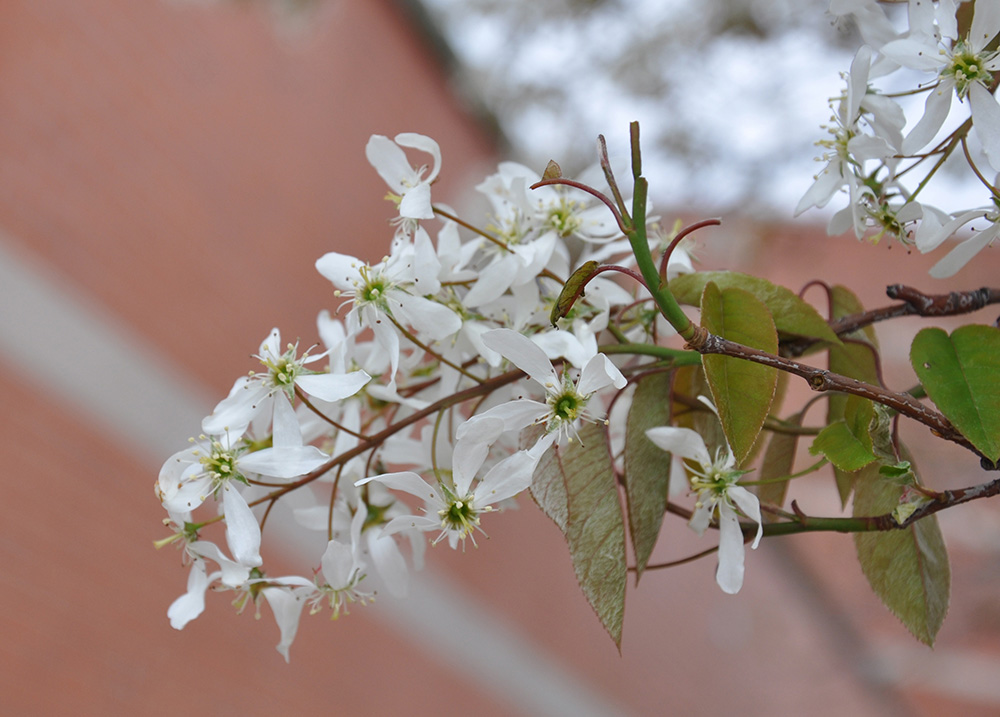
Leaves
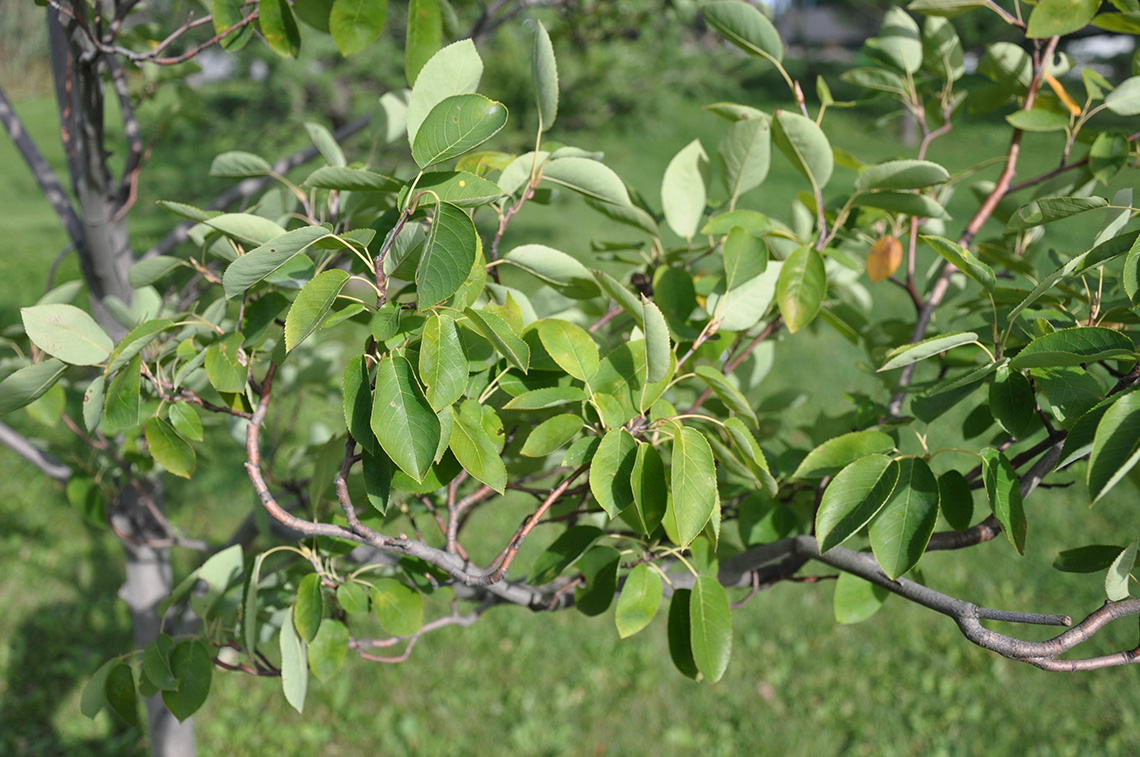
Elliptic, serrate with an alternate arrangement. Very nice yellow/orange/red fall colour.
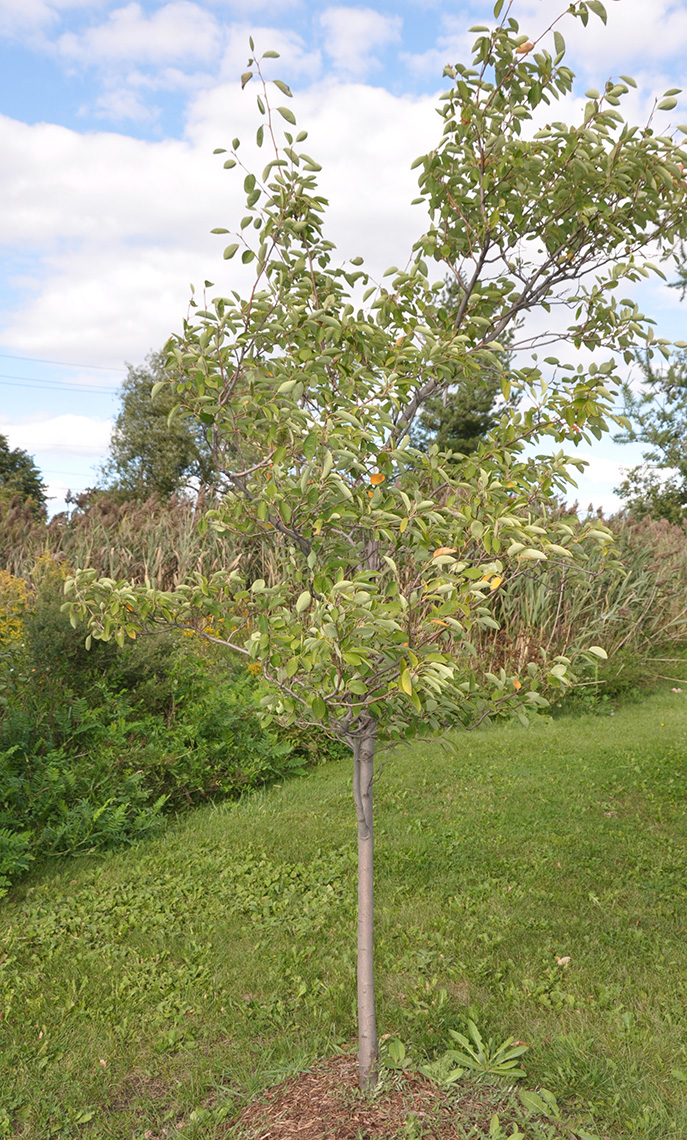
Twigs & Buds
Dark, purple/brown stems with slender, purple, pointy buds.
Flowers & Fruit
Attractive white flowers in mid to late April lasting only one week. In late March, branches can be cut off and placed in water to force flowers to appear. The name "Service" possibly derived from this practice (winter funeral service). The name "Shadbush" came from the timing of Shad fish spawning as Service Berry flowers appear. In June, fruit are tasty like blueberries and can be used to make "Saskatoon berry jam". Berries should be eaten when purple, not red.