Highbush Cranberry
Other Names: cranberry viburnum, cranberry-bush, American cranberry, American cranberrybush viburnum
Family: Adoxaceae
Native to: Eastern North America, Interior North America, Western North America
Hardy to zone: 3
Eco benefits: attracts pollinators, attracts birds, edible fruit
Natural habitat: seaside, waters edge
Shapes: round
Height: 5-10ft
Growth rate: medium
Unique attractions: flowers, fruit, winter interest
Common uses: Christmas tree, specimen
Light: full sun, partial shade
Soil: moist and fertile, well drained, tolerates heavy clay, drought tolerant, ph adaptable
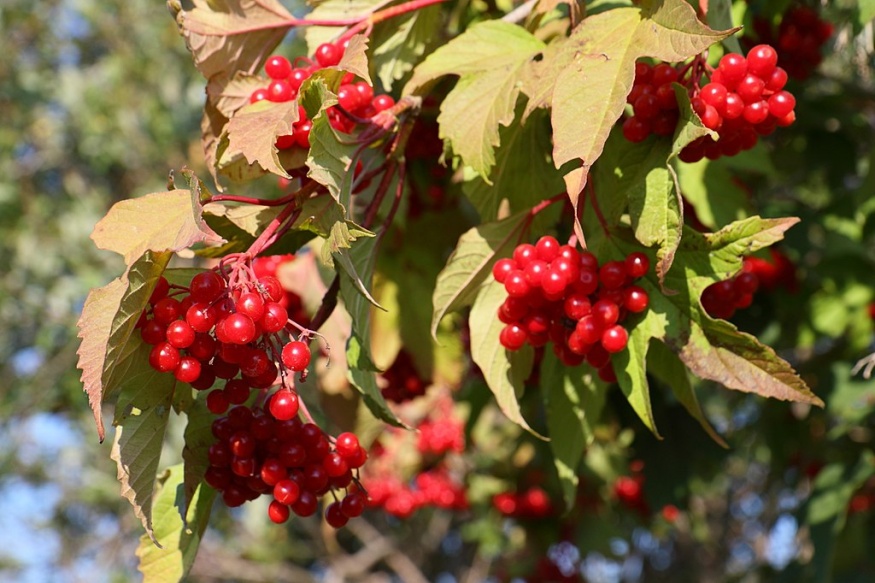
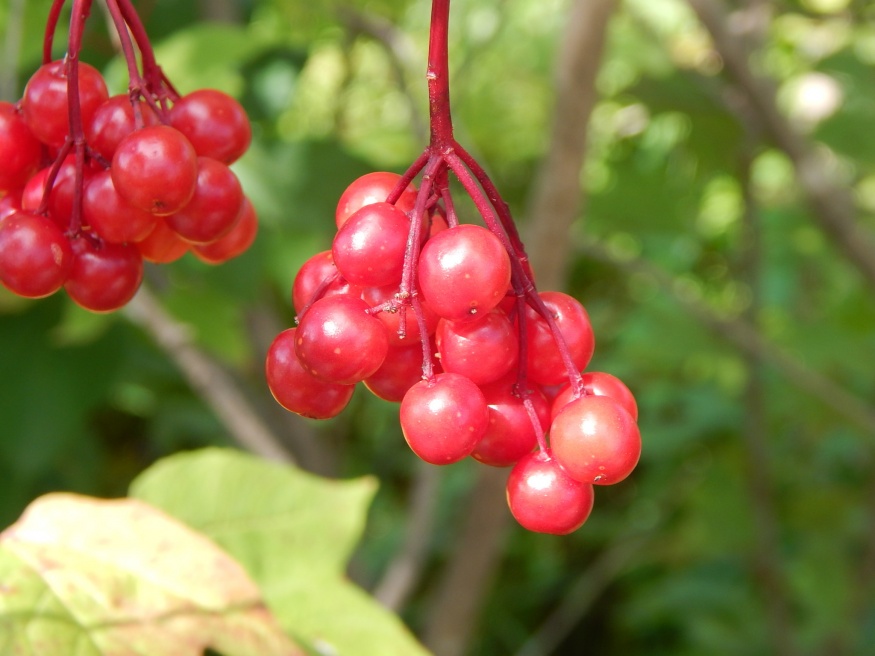
Highbush cranberry is a commonly planted shrub native to all Canadian provinces. Sometimes called Viburnum opulus var. americanum, and sometimes considered a variety of the European highbush cranberry (V. opulus var. opulus). The shrub is known for its attractive blossoms occurring at end of spring (June) and edible fruit by the end of summer (ripening from July to September). The brilliant red berries and attractive red buds provide winter interest and persist throughout the dormant season. Birds will eat the berries late in winter because of their persistence.
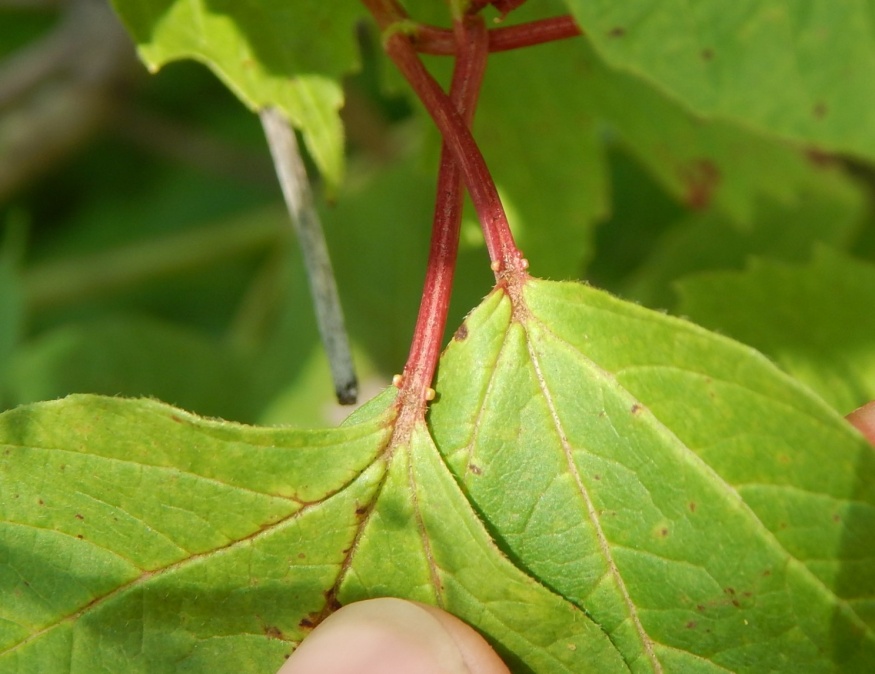
Highbush cranberry leaves are lobe shaped resembling that of a maple. Flower clusters are white and showy on the outer limits, while inner ones are yellowish and provide true flower function. The shrub is very similar in appearance to the European cranberry viburnum (Viburnum opulus), except for a few small characteristics. Most notably, Viburnum trilobum glands (where the petiole meets the leaf blade) are club-shaped and have stalks. European highbush cranberry leaf glands are more concave and saucer-shaped. Viburnum trilobum berries are also edible compared to the bitter berries of Viburnum opulus. Viburnum trilobum is considered a better planting choice than the European counterpart which is invasive in some areas.
Highbush cranberry bushes attract many bird species as well as deer, moose, beaver, and squirrels which feed on the berries. The fruit is high in vitamin C and a great substitute for cranberries. Those familiar with them also benefit by using the berries for jellies and cooked desserts.
References
Canadian Wildlife Federation (n.d.). High Bush Cranberry. Retrieved from http://cwf-fcf.org/en/resources/encyclopedias/flora/high-bush-cranberry-1.html
Farrar, J.L. (2018). Trees in Canada. Ottawa, ON: Natural Resources Canada.
Marshall. (n.d.) Viburnum trilobum - Marshall. Retrieved from https://pfaf.org/User/Plant.aspx?LatinName=Viburnum+trilobum
The Morton Arboretum. (n.d.). American cranberry-bush. Retrieved from https://www.mortonarb.org/trees-plants/tree-plant-descriptions/american-cranberry-bush